ISKCON BPSS Dhanori
ISKCON Bhakta Prahlad Sunday School, Dhanori, Pune
- Frequently Asked Questions
- Music
- Raising a Dhruva – Parenting Through the Bhagavatam
- Stillness in the Hustle
- Bal Gopal Lesson Plans
- Kishor Kishori Lesson Plans
- Docs
- Unified Syllabus
Frequently Asked Questions
What is the Vision of the School?
This is the Verse that is the Foundation of ISKCON BPSS
You can read further at https://vedabase.io/en/library/sb/7/6/1/
श्रीप्रह्राद उवाच
कौमार आचरेत्प्राज्ञो धर्मान्भागवतानिह ।
दुर्लभं मानुषं जन्म तदप्यध्रुवमर्थदम् ॥ १ ॥
Prahlāda Mahārāja said: One who is sufficiently intelligent should use the human form of body from the very beginning of life — in other words, from the tender age of childhood — to practice the activities of devotional service, giving up all other engagements. The human body is most rarely achieved, and although temporary like other bodies, it is meaningful because in human life one can perform devotional service. Even a slight amount of sincere devotional service can give one complete perfection.
More Questions
1- How long will be the school this year?
40 Sessions of Systematic Syllabus is our goal.
2- Who are the Volunteers conducting these programs? Are they paid? Do they work in temple?
All volunteers are married people with children. They volunteer for ISKCON. No they are not paid. They all work in big companies and are successful in their careers.
3- What is the plan for Parents going forward?
The Bhagavad-gita is the Crown Jewel of Vedic literature. Entire ISKCON runs fully on the principles of Bhagavad-gita and Srimad Bhagavatam. Starting coming Sunday we will begin Gita Study for Parents with an emphasis on Practical application.
4- Can I drop by child and pick up at 1pm.
Sure you can BUT our request is to instead attend the Parents class on the Gita. Together a family can grow nicely.
5- I have a friend who does not have a child but he wants to attend the Gita class. Can i bring?
Sure.
6- We are one child and four elders - it is okay if we all come?
Yes. Just answer a Prasadam Poll with count so that we can arrange Prasadam for everyone nicely.
7- My friends wants to just come and see for one Sunday. Can I bring?
Sure.
8- I want to do some seva like arranging class, serving etc. Can I do?
Sure, speak to the class teacher.
9- Is there a syllabus for the course?
40 Sessions of Systematic Syllabus is our goal.
10- Is there provision to learn musical instruments?
Yes, there is musical instrument like Kartal, Mridanga and Harmonium learning as a part of the entire syllabus.
Music
Prayers
Jaya Radha Madhava
Mangalacharana Prayers
oṁ namo bhagavate vāsudevāya
oṁ namo bhagavate vāsudevāya
oṁ namo bhagavate vāsudevāya
nārāyaṇaṁ namaskṛtya naraṁ caiva narottamam
devīṁ sarasvatīṁ vyāsaṁ tato jayam udīrayet
naṣṭa-prāyeṣv abhadreṣu nityaṁ bhāgavata-sevayā
bhagavaty uttama-śloke bhaktir bhavati naiṣṭhikī
kṛṣṇāya vāsudevāya devakī-nandanāya ca
nanda-gopa-kumārāya govindāya namo namaḥ
oḿ ajñāna-timirāndhasya jñānāñjana-śalākayā
cakṣur unmīlitaḿ yena tasmai śrī-gurave namaḥ
śrī-caitanya-mano-'bhīṣṭaḿ sthāpitaḿ yena bhū-tale
svayaḿ rūpaḥ kadā mahyaḿ dadāti sva-padāntikam
vande 'haḿ śrī-guroḥ śrī-yuta-pada-kamalaḿ śrī-gurun vaiṣṇavāḿś ca
śrī-rūpaḿ sāgrajātaḿ saha-gaṇa-raghunāthānvitaḿ taḿ sa jīvam
sādvaitaḿ sāvadhūtaḿ parijana-sahitaḿ kṛṣṇa-caitanya-devaḿ
śrī-rādhā-kṛṣṇa-pādān saha-gaṇa-lalitā- śrī-viśākhānvitāḿś ca
nama oḿ viṣṇu-pādāya kṛṣṇa-preṣṭhāya bhū-tale
śrīmate bhaktivedānta-svāmin iti nāmine
namas te sārasvate deve gaura-vāṇī-pracāriṇe
nirviśeṣa-śūnyavādi-pāścātya-deśa-tāriṇe
namo mahā-vadānyāya kṛṣṇa-prema-pradāya te
kṛṣṇāya kṛṣṇa-caitanya-nāmne gaura-tviṣe namaḥ
he kṛṣṇa karuṇā-sindho dīna-bandho jagat-pate
gopeśa gopikā-kānta rādhā-kānta namo 'stu te
tapta-kāñcana-gaurāńgi rādhe vṛndāvaneśvari
vṛṣabhānu-sute devī praṇamāmi hari-priye
vāñchā-kalpatarubhyaś ca kṛpā-sindhubhya eva ca
patitānāḿ pāvanebhyo vaiṣṇavebhyo namo namaḥ
(jaya) śrī-kṛṣṇa-caitanya prabhu nityānanda
śrī-advaita gadādhara śrīvāsādi-gaura-bhakta-vṛnda
HARE KṚṢṆA HARE KṚṢṆA
KṚṢṆA KṚṢṆA HARE HARE
HARE RĀMA HARE RĀMA
RĀMA RĀMA HARE HARE
Prayers before honoring Prasadam
mahā-prasāde govinde
nāma-brahmaṇi vaiṣṇave
svalpa-puṇyavatāḿ rājan
viśvāso naiva jāyate
śarīra abidyā-jāl, joḍendriya tāhe kāl,
jīve phele viṣaya-sāgore
tā'ra madhye jihwā ati, lobhamoy sudurmati,
tā'ke jetā kaṭhina saḿsāre
kṛṣṇa boro doyāmoy, koribāre jihwā jay,
swa-prasād-anna dilo bhāi
sei annāmṛta pāo, rādhā-kṛṣṇa-guṇa gāo,
preme ḍāko caitanya-nitāi
Raising a Dhruva – Parenting Through the Bhagavatam
How to raise emotionally resilient, spiritually empowered children in a modern world — learning from Queen Sunīti and Dhruva Maharaj.
#1 Introduction to Dhruva’s World
Theme: Parenting in Imperfect Families
Scriptural Reference: Srimad-Bhagavatam Canto 4, Chapter 8, Verses 8–14
🎯 Objectives for Parents
- Recognize that no family is perfect, yet spiritual growth is possible.
- Reflect on the effects of favoritism and emotional neglect on children.
- Appreciate Sunīti’s calm, devotional parenting as a powerful response to trauma.
🧩 Class Outline (45–60 minutes)
1. Icebreaker Activity: “Silent Scars” (5 mins)
Ask parents to raise their hand or silently reflect:
- “How many of you remember a moment from childhood when you felt overlooked by an adult?”
- “Was it the words that hurt — or the silence?”
This opens the heart and builds empathy with Dhruva’s situation.
2. Story + Verse Reading (10–12 mins)
SB 4.8.8–14 Summary:
- King Uttānapāda favored Suruci, neglected Sunīti.
- Dhruva tried to sit on his father's lap but was insulted by Suruci.
- The King said nothing.
- Dhruva fled to his mother, broken but determined.
Insight: Sometimes, what hurts a child most isn’t what was said — it’s what wasn’t.
3. Group Discussion: “What Would You Do?” (10 mins)
Scenario: Your child is insulted in front of others. You're present. You feel frozen — unsure what to say.
- What would be the right thing to do — spiritually and emotionally?
- Have you ever been in such a situation?
4. Quiz Time (Quick Show of Hands – 5 mins)
Statement: True or False?
- Dhruva’s father scolded Suruci for her harshness. (❌ False)
- Sunīti encouraged Dhruva to fight back. (❌ False)
- Suruci told Dhruva he must take another birth to deserve the throne. (✅ True)
5. Emotional Self-Check (3 mins)
“On a scale of 1 to 5, how emotionally safe do you think your child feels with you when they are hurt or rejected?”
Let parents raise fingers silently or note in their journal. No sharing required — it's for honest self-awareness.
6. Parenting Insights (5 mins)
- 🪷 No family is perfect — Krishna can still work through us.
- 🪷 Silence in the face of hurt can wound a child deeply.
- 🪷 One moment of spiritual redirection can define a child’s destiny.
7. Journaling Prompt (3–4 mins)
Ask parents to write privately in their notebook:
“What is one thing I can do this week to make my child feel seen, safe, and spiritually guided — like Sunīti did for Dhruva?”
8. Home Activity – “Our Family Tree”
Draw a family tree with your child. Place Krishna in the center. Use it to spark a conversation: “How is Krishna present in our family relationships?”
9. Closing Verse & Affirmation
SB 4.8.14: After being insulted and abandoned emotionally, Dhruva turned to his mother — a turning point in his life.
Affirmation: “My child’s pain is not the end of their story. It can become their path to Krishna.”
📱 WhatsApp Summary (Copy-Paste)
📖 ISKCON Sunday School – Parenting Track (Week 1) 🪷 Raising a Dhruva: Parenting in Imperfect Families (SB 4.8.8–14) 👑 Dhruva was just 5 when his stepmother crushed his spirit. And his father stayed silent. He cried. He ran. But what his mother did next changed his life — and ours. 🎯 Parenting Takeaways: - No family is perfect — Krishna can still work through you. - Silence can harm. Support your child with truth and bhakti. - Every child has a divine destiny — don't block it with labels. 🎨 Family Activity: Draw a family tree with Krishna at the center. Talk about what it means to be part of His family. ❤️ ✨ Quote of the Week: "My child’s pain is not the end of their story. It can become their path to Krishna."
📌 Materials to Prepare
- Printouts of SB 4.8.8–14 (in English or Sanskrit)
- Blank family tree template with Krishna in the center
- Small slips of paper for quiz or reflections (optional)
- A slide or print of the Suruci–Dhruva incident artwork
#2 The Wound of Words – When a Child’s Heart Breaks
Verses: SB 4.8.14–25
Theme: How to respond when our child is hurt — emotionally, unfairly, deeply.
Duration: 45–60 minutes
🔑 SCRIPTURAL BACKGROUND
In SB 4.8.14–25:
-
Dhruva is devastated after being insulted and runs to his mother.
-
Sunīti does not seek revenge or blame.
-
She gives him the highest gift — spiritual direction.
-
This becomes the turning point in Dhruva’s life.
🧩 LESSON PLAN STRUCTURE (with interactivity)
🟢 1. Opening Activity – “What Do Our Children Remember?” (5 min)
Ask:
“Think of one sentence your parent or teacher said to you as a child…
Something that stayed in your heart — positively or negatively.”
“Words shape our children’s inner worlds. So what do they hear when they’re hurting?”
📖 2. Bhagavatam Narrative (10 min)
Read or narrate SB 4.8.14–25:
-
Dhruva tells Sunīti what Suruci said.
-
Sunīti doesn’t express anger or self-pity.
-
She says: “What Suruci said is true — if you want the throne, you must please the Lord.”
-
She then encourages him to find the Supreme Personality of Godhead.
💡 Insight: Sunīti didn’t rescue her son emotionally — she released him spiritually.
💬 3. Discussion Prompts (10–15 min)
Open Q&A:
-
Why didn’t Sunīti contradict Suruci?
-
What would a modern parent say in that moment?
-
What do we learn about true spiritual parenting here?
Reflection Question (write silently):
“Have I ever tried to solve my child’s pain when I should have shown them a higher purpose?”
📊 5. Emotional Self-Check: “When My Child Is Hurt…” (5 min)
Ask parents to rate themselves silently:
| Statement | Scale (1–5) |
|---|---|
| I listen calmly when my child is upset | ⭐ |
| I avoid blaming others and help my child see higher solutions | ⭐ |
| I sometimes overreact emotionally and make it about me | ⭐ |
Let them reflect quietly.
💡 6. Parenting Takeaways (5 min)
-
🪷 Your child’s pain can become their path — if guided wisely.
-
🪷 Empowering a child spiritually is better than emotionally avenging them.
-
🪷 Sunīti showed what spiritual motherhood looks like: not reactive, but redemptive.
🖍️ 7. Family Activity (Take Home)
Title: My Child’s Path to Krishna
-
Give parents a small card to write down:
“When my child is hurt, I will remind them of…”-
A verse
-
A quality of Krishna
-
A way to respond with devotion
-
They can stick this on their fridge or altar.
✨ 8. Closing Affirmation
“I may not be able to stop my child from feeling pain —
but I can show them how to grow from it in Krishna consciousness.”
Stillness in the Hustle
25 Life Lessons from the Bhagavad-gita for a World That Won’t Slow Down
#1 Where do we Start?
Sometimes, the most difficult questions come from the simplest mouths.
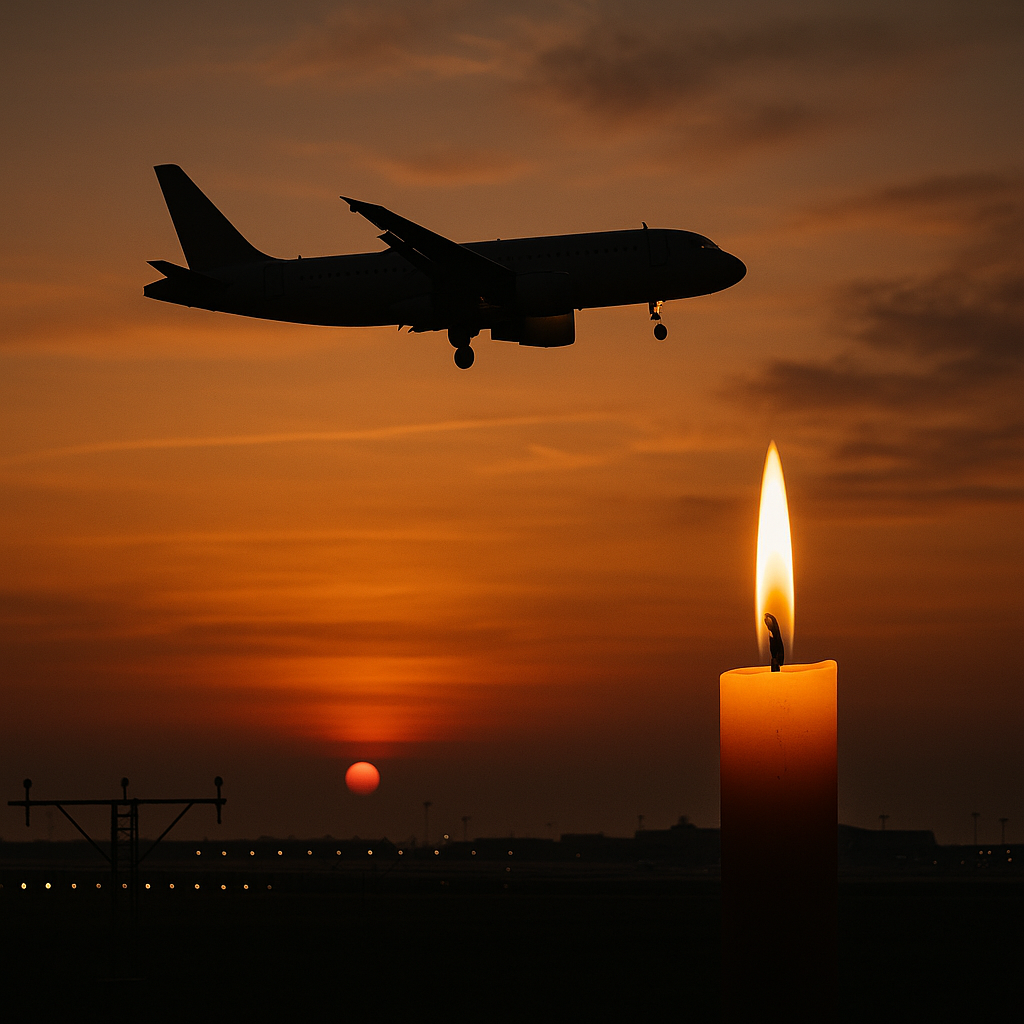
On 12 June 2025, Air India Flight 171, a Boeing 787-8 Dreamliner, departed from Ahmedabad’s Sardar Vallabhbhai Patel International Airport en route to London Gatwick. It stalled at around 625 ft shortly after takeoff and crashed into a building on the campus of B.J. Medical College in Ahmedabad. The plane carried 242 people (230 passengers, 12 crew); 241 aboard and at least 29 on the ground were killed, making it one of India’s worst air disasters in decades.
My maid asked me, Saab, ye aisa kyun hua - Bhagvan ne kiya kya?
(Sir, why did this happen—did God do it?).
I had no answer in the moment. But later that night, I opened the Bhagavad-gita and found a framework that made sense—not just for this tragedy, but for life itself.
Everything is contained in five factors
Krishna explains that everything in creation—every joy, every tragedy, every moment—is shaped by the interplay of five fundamental factors:
- The human being
- God
- The world in which the human lives
- The actions that humans do
- Time
If we observe the world around us carefully, everything can be understood through these five lenses.
Let us look at a few examples:
- Air India Crash
- Human beings: Pilots, passengers, engineers.
- God: The ultimate sanctioning authority.
- World: The aviation system, airport infrastructure, weather conditions.
- Actions: Maintenance checks, pilot responses, human errors.
- Time: The specific moment—12 June 2025—when all factors converged.
- A Student Passing an Exam
- Human being: The student.
- God: Sanctions the result.
- World: School, exam system, access to resources.
- Actions: Studying, discipline, preparation.
- Time: The examination date, deadlines, result declaration.
- A Couple Getting Married
- Human beings: The bride, groom, families.
- God: Brings the souls together.
- World: Society, culture, location.
- Actions: Mutual choice, planning, rituals.
- Time: The destined moment of union.
- A Man Missing His Train
- Human being: The commuter.
- God: Permits the outcome.
- World: Train schedule, traffic conditions.
- Actions: Leaving late, distractions.
- Time: The departure minute, missed by seconds.
If we understand these five elements clearly, we can find our place and purpose in this world. At the same time, we can scientifically understand how the whole thing works and, in the process, get answers to our questions—from the simple to the most complex.
Gita is addressing three questions
The Bhagavad-gita essentially talks about these five elements. But we can make it even simpler by translating them into three key questions:
- Who am I?
- Whose am I?
- Where am I?
These are the three questions that the Gita is addressing—simple.
In a nutshell
- Who am I? I am a spirit soul.
- Whose am I? I am Krishna's.
- Where am I? I am in a temporary body in a temporary material world doing actions over a period of time.
To summarize
We are eternal souls, and we are Krishna's children. We belong to the spiritual world (Vaikuntha). We chose to rebel against Krishna and entered this temporary material world. The supreme goal of life, then, is to reconnect with Krishna through yoga and return home—back to where we belong.
This is the sum and substance of all Vedic literature. This is the BIG picture. Everything else is a detail.
In the rest of the book, we will go deep into these three questions.
“The living entities in this conditioned world are My eternal fragmental parts. Due to conditioned life, they are struggling very hard with the six senses, which include the mind.”
— Bhagavad-gita 15.7
#2 Where did Mahatma Gandhi, Lord Brahma and iPhone come from?
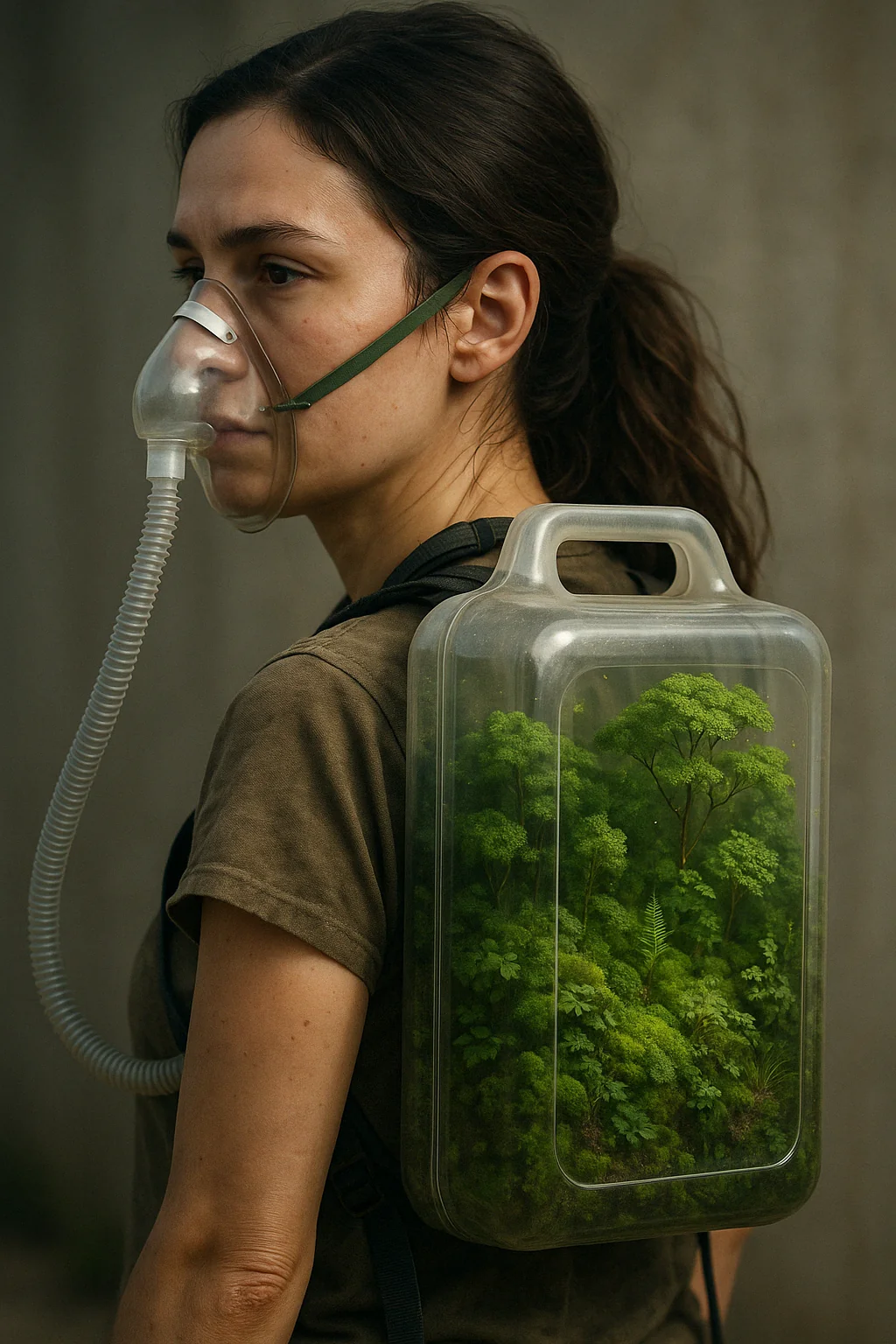
The Bhagavad-gītā does not debate the existence of God. It assumes that rational human beings can arrive at that understanding through observation, reflection, and intuition. Rather than asking, “Does God exist?”, it encourages us to examine the world deeply and honestly—to infer divinity from the very structure of existence itself.
Science vs. Spirituality — A False Divide
A common misconception today is that science and spirituality cannot go together. People assume that believing in God is “unscientific.” But in truth, some of the greatest scientists in history—those who shaped the very foundations of modern science—were firm believers in a higher intelligence.
Great Scientists Who Believed in God:
• Isaac Newton: “Gravity explains the motions of the planets, but it cannot explain who sets the planets in motion.”
• Albert Einstein: “I want to know God’s thoughts; the rest are details.”
• Max Planck: “Mind is the matrix of all matter.”
• Louis Pasteur: “The more I study nature, the more I stand amazed at the work of the Creator.”
• Johannes Kepler: “I was merely thinking God’s thoughts after Him.”
Inferring God Through Reason
Let us follow the evidence where it leads.
In everyday life, we instinctively infer a cause from an effect. When we see a painting, we assume there’s a painter. When we find a complex machine, we assume it was built by an engineer. This principle of causality is embedded in human reasoning.
Now apply the same logic to the universe.
Creation Implies a Creator
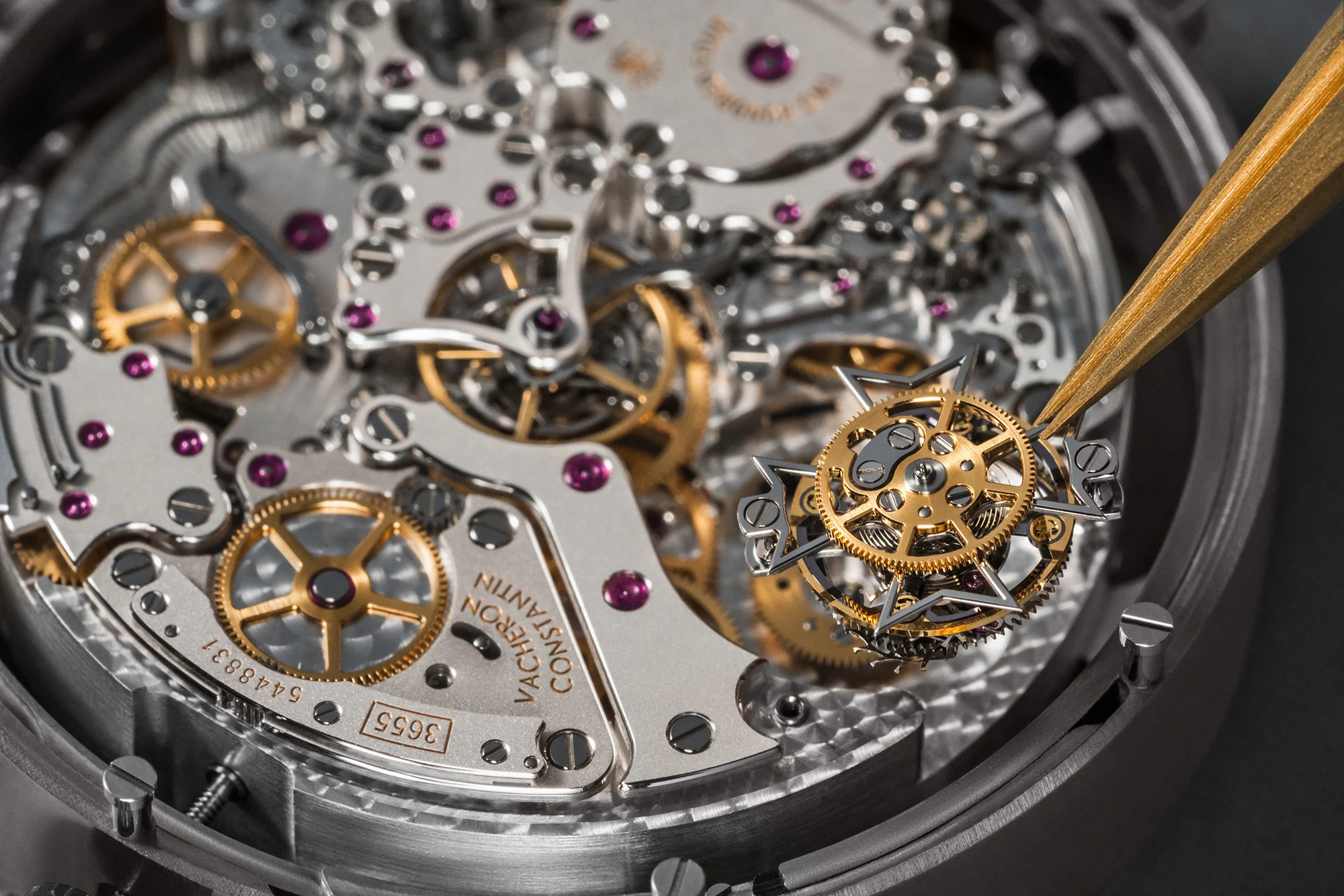 World's most complex watch.
The Vacheron Constantin Les Cabinotiers Solaria Ultra Grand Complication is widely considered the most complicated mechanical wristwatch ever made. It boasts 41 complications and 1,521 components.
Could this watch have come "by chance"? You think. It took eight years to make the Watch.
In essence Creation automatically implies there is a Creator. One can look at the watch and be sure there must have been a person behind it. Similarly then we live in this world - shouldn't it have a Creator behind it?
Some say that this Universe came out of nothing. When was the last time you saw something come out of nothing?
What about the Big Bang bro?
We marvel at galaxies, black holes, and the birth of the cosmos. But even more wondrous is that it all began with the Big Bang. Can an explosion on its own create such precision and order?
Imagine a bomb going off in a printing press and producing an encyclopedia. That’s absurd. So why believe that a chaotic blast created a finely tuned, law-governed universe?
Design Implies a Designer
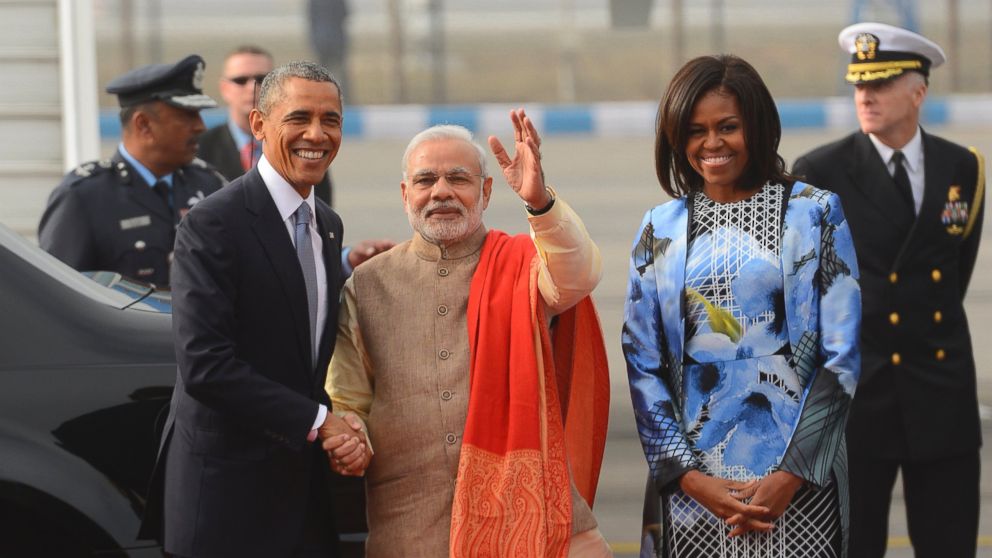 Michelle Obama Lands in Indian Designer's Clothes
During Jan-2015 Michelle Obama visited India with her husband US President Barack Obama. She had India Buzzing About Her Outfit.The first lady emerged from Air Force One wearing Bibhu Mohapatra. Many asked her "Who is the Designer".
Very simply whenever we see design in this world we automatically assume there is a Designer. Similarly in this world we are surrounded by Design in nature - from the Rose to the Human body. God is the Designer who designed his World in very specific ways.
Take the human eye. Its iris contracts with light, the lens adjusts focus, and millions of nerves transmit signals to the brain. Biologists agree the eye is “irreducibly complex.”
Now consider DNA: a digital code inside every cell, three billion letters long, precisely sequenced. Who wrote that code? Codes don’t write themselves.
Laws Imply a Lawmaker
From gravity to thermodynamics, the universe operates on consistent, intelligible laws. But laws presuppose a lawgiver. Why does nature obey mathematics? Why do electrons always repel, or apples always fall?
Such elegant predictability doesn’t emerge from chaos. It suggests intelligence—an architect behind the curtain.
Just as architecture proves the presence of an architect, the structured cosmos points to an Intelligent Designer—what many call God.
Inferring God Through Science
During the COVID-19 crisis, “oxygen cylinder” became one of the most searched terms on Google. Hospitals were charging thousands for a single cylinder.
Yet the same oxygen that cost a fortune in ICUs surrounds us freely—on land, in the oceans, in caves, even at high altitudes.
Pause and consider: oxygen is everywhere, because life needs it everywhere. This is not coincidence—it is provision.
Take water as contrast. If I am thirsty, I must walk into the kitchen and pour a glass. Water isn’t available in mines or deserts unless brought there. But oxygen? It’s always present. This is divine logistics at work.
Now extend that to other finely tuned arrangements:
- The Earth’s distance from the Sun is exactly right for liquid water.
- The atmospheric pressure allows lungs to function perfectly.
- The force of gravity is neither too strong nor too weak.
- The electromagnetic force enables atoms to form molecules.
This level of precision is not random—it cries out for a benevolent intelligence behind the scenes.
Inferring God Through Scripture
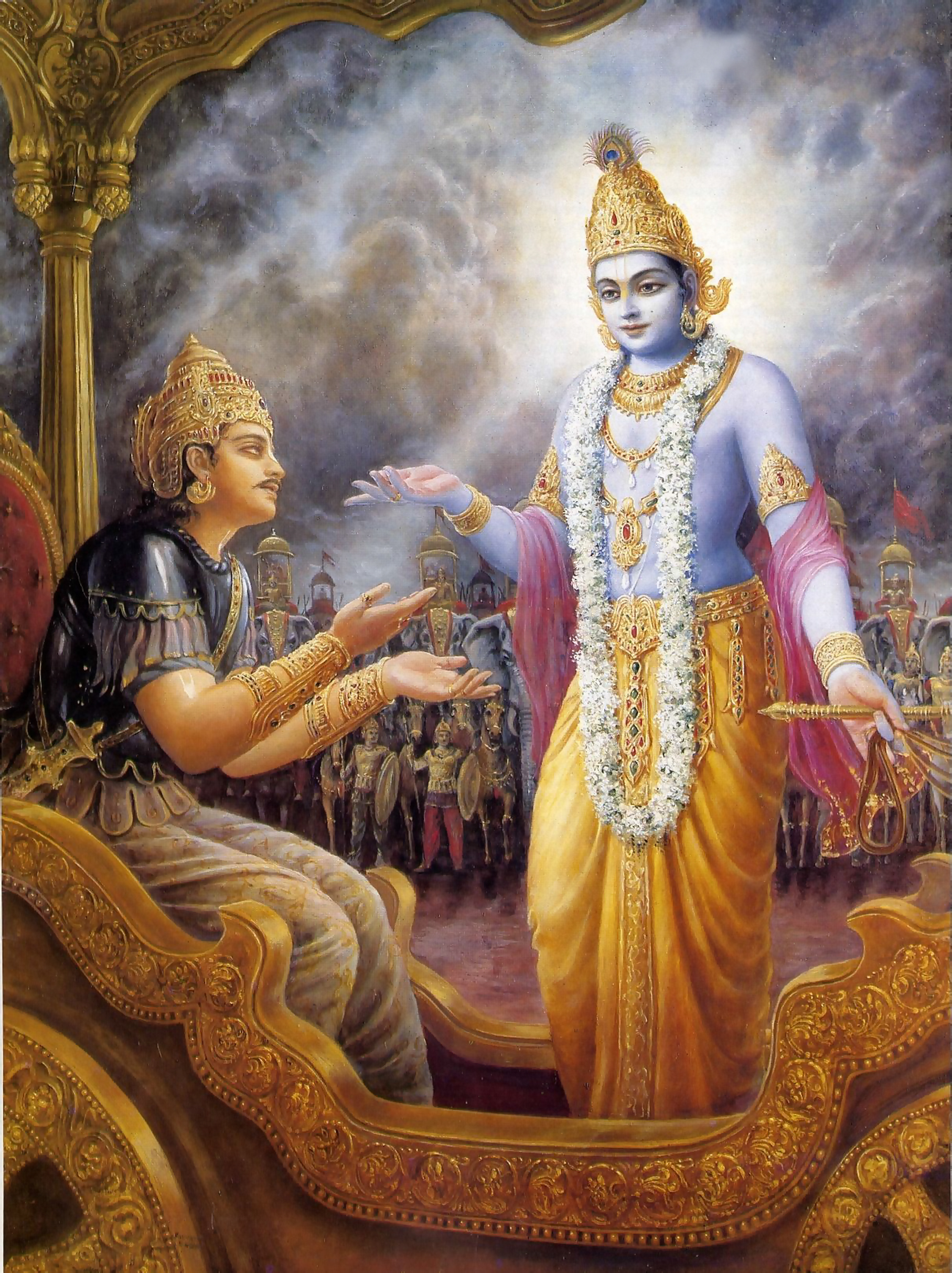
The Bhagavad-gītā makes it simple. Krishna declares:
“I am the source of all spiritual and material worlds. Everything emanates from Me. The wise who perfectly know this engage in My devotional service and worship Me with all their hearts.”
— Bhagavad-gītā 10.8
“Everything rests upon Me, as pearls are strung on a thread.”
— Bhagavad-gītā 7.7
In Vedic thought, God is not just the creator, but the sustainer and the regulator of all existence. He is described as the “Cause of all Causes” (sarva-kāraṇa-kāraṇam).
This is not a sectarian concept—it is a definition of divinity accepted across most religious traditions.
Bal Gopal Lesson Plans
Bal Gopal - Lesson#1
Note
These lesson plans are part of the ISKCON Bhakta Prahlad Sunday School (BPSS) curriculum. They are designed to be used within the BPSS environment, guided by trained teachers and supported by a community of parents and children. While the written outline shows the structure, the true impact comes from the trained teachers, peer environment, and regular follow-up. We share them to build trust and transparency, but they are not a substitute for the full BPSS experience.
© ISKCON BPSS – All Rights Reserved
Shloka
oṁ ajñāna-timirāndhasya
jñānāñjana-śalākayā
cakṣur unmīlitaṁ yena
tasmai śrī-gurave namaḥ
I was born in the darkest ignorance, and my spiritual master opened my eyes with the torch of knowledge. I offer my respectful obeisances unto him.
Who am I? → I am a spirit soul (driver).
Materials you will need
- One toy car (preferably a big one in which a child can sit). Some cards.
- One card with the word BODY and other with SOUL written on it. These can be plain A4 papers with a string attached to it so that the card with BODY can be put on the Car and the card with SOUL can be put in one child's neck.
- Two cards with the words "PROPERTY OF KRISHNA".
Key teaching points
Idea is to teach children that the body is like the Car and Soul is the Driver. There is a CLEAR difference between the two. Through activities you can teach them the below points:
- I am a Spirit Soul or Atma which is the Driver. Also Krishna tells us that the Soul or Atma never dies or gets old or diseased.
- My Body is like the Car. Driver sits inside the Car and drives it. Similarly Soul or Atma sits inside the Body and drives it.
- Car and Driver are two different things - they are not one and the same.
Details
- Keep the car alone and ask the children "Will the car be able to move itself?". Did it ever happen that you wake up one morning and find that your Bicycle you parked in the parking lot travelled in the lift and came to your home by itself? Or your Dad's car went out in the middle of the night for a ride for some fun?
- Now ask one child to sit inside and say "Let's go to school". Car should move. Teacher calls “Driver in!” → car moves; “Driver out!” → car freezes.
-
Debrief: “The body only moves because the soul is inside.”
Quick call-and-response (10–15 seconds each)
-
“Who moves the car?” → “The driver—me, the soul!”
-
“What is the body?” → “My car.”
-
“Who is inside?” → “I—the soul!”
-
“Am I the car or the driver?” → “The driver!”
-
“What happens if the driver steps out?” → “Car stops.”
Whose am I? → I belong to Krishna (Owner + Power).
Materials you will need
- A plastic bottle with a sticker on it with written words "Petrol".
Key teaching points
-
This driver and car belong to Krishna.
-
Krishna gives the car (body) and the power (life, breath)—like fuel/electricity.”
Details
- Put petrol in the car and ask a child to drive it. Emphasize - "Car needs Petrol to move". Petrol is made inside oceans by Krishna.
- Make a child sleep on floor and ask to breath 3 times. With each inhale the child must say: “From Krishna.” We need air to live and Air is made by Krishna.
- Borrowed Pencil Rule : Hold a borrowed pencil. Ask: “If it’s borrowed, how do we use it?” → “Carefully, as owner wants." Line: “My body and things are Krishna’s—we use them as He wants.”
- Power Cut / Power On Game : Teacher calls “Power off!” → all freeze. “Power on—Krishna!” → move. Line: “Without Krishna’s power we can’t move.”
Where am I? → In the material world (school trip).
Materials you will need
- One card with the word "SCHOOL TRIP".
- Cards with TELL THE TRUTH, SHOW KINDNESS, CHANT MAHA MANTRA 10 TIMES, EAT PRASADAM,THINK FIRST (reduce screens/sweets), STOP (lying, hurting). written on them.
- A plastic tray with label "RETURN TO KRISHNA"
Key teaching points
- Body = bus, soul = driver; Krishna is the Owner and Power; this world = a temporary school trip.
-
Right now we’re not in Krishna’s home; we’re in the material world—like a school trip. It’s temporary.
-
The goal isn’t to drive in circles; it’s to use Krishna’s car for Krishna’s work and then go back to Krishna’s home.
Details
- Mark one half of the class room with some kind of partition (chairs) and call it "SCHOOL TRIP". Note that the second part will be Spiritual World (ensure a photo of Krishna is there in that part).
-
Micro activity #1: Make a small route with four students standing with the Truth, Kindness, Chanting , Eat Prasadam cards. Ask one child to sit in the toy car and start driving along. As he reaches the Truth card he will say "I will only tell Truth toda". Next "I will show Kindness to all including animals". Next "I will chant the Hare Krishna Mahamantra ten times today". Next "I will eat Krishna Prasadam today" and similarly the other cards. For each card the teacher can say a few words in 30 seconds. Teacher's Summary line: “This world is a school trip. These are Krishna’ recommendations for today.”
Guru → GPS & Headlights.
Materials you will need
- The second part of the room will be Spiritual World with a photo of Krishna. You can also make one child Krishna and make him stand there.
- One devotee who can play the role of Guru. He will need kartals and one torch light.
Key teaching points
-
Now we need to show how Guru is required to show that the School trip is temporary and we need to return back to Krishna in Goloka which is our eternal home.
- Guru shows the destination (Krishna) and the path to it (Krishna Consciousness).
Details
- Dim the lights in the room (we want to simulate timirandhasya). If you can arrange some slightly frightening sounds (like a storm) it will add to the effects.
- Teacher should say "When we go on a school trip, we feel excited, right? But sometimes things don’t go as planned. Maybe the bus breaks down, someone gets hurt, or there’s a big storm. Suddenly the fun is gone and it can even feel scary".
- Then one devotee (simulating Guru) must enter the room while singing Hare Krishna Mahamantra and playing Kartals. After he enters the room, he sees the scared children and opens his torch and shines on them and speaks below:
- “Children, life in this world is like a school trip - sometimes it feels exciting, but many times things go wrong and even become dangerous. That’s why Krishna teaches us that this world is not our real home. Our real home is with Him, where everything is safe and joyful."
- "Let me show you the way."
- He slowly shows a path on the floor towards the second part of the room where there is a photo of Krishna or volunteer standing as Krishna.
- "Follow me children and I will show you the way to Krishna".
- All the children follow Guru while chanting Hare Krishna.
This concludes the activity and when all Children and Guru are standing near Krishna, teacher concludes with below words:
-
Who am I? I’m the soul (driver).
-
Whose am I? I am Krishna’s (He owns the car/body and gives power/breath).
-
Where am I? On Krishna’s school trip (this world is temporary) to do Krishna’s missions and then go back to Krishna.
-
Guru: Turns on the light, shows Krishna, and marks the safe path.
Children, this is why we honor Guru. When our trip felt dark, Guru showed Krishna and drew the way.
Let’s fold our hands and say:
oṁ ajñāna-timirāndhasya
jñānāñjana-śalākayā
cakṣur unmīlitaṁ yena
tasmai śrī-gurave namaḥ
I was born in the darkest ignorance, and my spiritual master opened my eyes with the torch of knowledge. I offer my respectful obeisances unto him.
Hare Krishna.
Small cautions (for clarity with kids)
-
Say “material world = temporary place like a parking lot/school trip,” not “bad place.”
-
Keep “Krishna wants us back” warm and positive (no fear/doom).
-
Emphasize service now (kindness, truth, chanting) so “going back” feels connected to daily life.
Jaya Radha Madhava
If possible let the children hear Srila Prabhupada singing this NO.1 sung Bhajan in ISKCON till date. Let them hear from a pure devotee.
https://kksongs.org/songs/j/jayaradhamadhava.html
Remember to tell them the glorious Author (Srila Bhaktivinod Thakur) and name of the Book in which this Bhajan is written.
Word to Word meaning.
- If you want to give a small explanation refer to https://kksongs.org/authors/purports/jayaradhamadhava2_acbsp.html
- If you have time and want a detailed explanation refer to https://kksongs.org/authors/purports/jayaradhamadhava_acbsp.html
Story Time
Krishna (Guru) opens Arjuna's Eyes
End-goal for kids (to memorize by the end):
Who am I? I’m the soul (driver).
Whose am I? I am Krishna’s—He gives my body and power.
Where am I? On Krishna’s school trip (temporary): do Krishna’s missions and then go back to Krishna.
Guru: Brings Krishna’s light and shows the safe path.
“Today we’ll learn three big truths through Arjuna’s story: Who am I? Whose am I? Where am I?
If we remember these, our heart becomes brave and clear.”
Call & response (quick):
-
“Whose names give us strength?” → “Krishna’s!”
3W in One Breath
-
“Who am I? I’m the soul—like a driver inside a car (this body).”
-
“Whose am I? I am Krishna’s—He gave me this car and the power (breath, life).”
-
“Where am I? On Krishna’s school trip—not forever. Do Krishna’s missions now, then go back to Krishna.”
Kids repeat once: “Soul, Krishna’s, School Trip, Back to Krishna.”
The Dark Moment
On the morning of the great battle, Arjuna stood on his chariot with Krishna. He saw teachers, cousins, friends on both sides. His hands shook. His heart felt heavy. He dropped his bow. ‘Krishna… I can’t do this. If I fight, I hurt my own family. If I don’t, I fail my duty. I don’t know what to do.
It felt like someone turned off the light inside his heart.
Checkpoint (yes/no): “Have you ever felt confused or scared?” (Let a few “yes.”)
Two Dharmas Collide
Arjuna had two duties pulling him in opposite directions:
-
Kṣatriya-dharma — protect people, stop injustice, stand up to bullies.
-
Kula-dharma — honor family, respect elders, keep the family peaceful.
If he fights, he protects people (kṣatriya-dharma) but hurts family (kula-dharma). If he doesn’t fight, he keeps family safe (kula-dharma) but lets injustice win (kṣatriya-dharma).
Two good duties collided.
Call & response: “What collided?” → “Two duties!”
Arjuna folded his hands: “Krishna, what is my dharma now? What should I do?”
(When duties clash, we ask Krishna.)
Krishna opens Arjuna with Torchlight of Knowledge
(a) Who am I? — Soul/Driver
Krishna said, ‘Arjuna, you are more than a body. You are the soul—the driver inside the car.
The car changes—baby, child, young, old—but you, the driver, remain.
When the driver leaves, the car stops. In the same way, when the soul leaves, the body stops.
(b) Whose am I? — Krishna’s (Owner & Power)
Arjuna, you are Mine. I gave you this body and I give you power—every breath, every heartbeat.
Use My gifts in My way: speak truth, be kind, be brave, remember Me, fight bad people like Duryodhana, I want you to fight this war, so do it and establish Dharma.
(c) Where am I? — Krishna’s School Trip
This battlefield is part of the material world—like a school trip. It’s temporary, not your forever home.
While you’re here, do your missions my way (Krishna way):
- Be truthful, Be merciful, Be clean.
- Chant the Hare Krishna Mahamantra daily.
- Read about my activities, think about me, tell others about what you learnt about me.
- Worship me.
- Eat Krishna Prasadam
When the trip ends, come back to Me.
Quick echo:
-
“This world is a school trip.”
-
“Do Krishna’s missions.”
-
“Then back to Krishna.”
(Pause 3 seconds: “Think of one mission you’ll do today.”)
The Highest Dharma (Param-dharma)
Krishna then showed the highest dharma:
‘Act as My soul, for My sake. Do your duty as service to Me—not from anger or pride, but to protect truth and goodness.’
Kid line: “When duties clash, choose Krishna’s wish.”
(For children: fighting = not hurting people, but fighting laziness, lies, and meanness inside us; using Krishna’s gifts in Krishna’s way.)
The Light of Spiritual Knowledge (Guru)
As Krishna spoke, it was like light entered Arjuna’s heart.
Chant once together (slowly):
“Om ajñāna-timirāndhasya jñānāñjana-śalākayā
cakṣur unmīlitaṁ yena tasmai śrī-gurave namaḥ.”
Child meaning: “I was in darkness; my Guru opened my eyes with Krishna’s light. I bow to my Guru.”
Call & response:
-
“Who brings Krishna’s light?” → “Guru!”
-
“Who is our destination?” → “Krishna!”
Clear Eyes, Right Action
After listening to Krishna's instructions Arjuna lifted his bow and smiled slightly:
‘My confusion is gone. I remember who I am, whose I am, and what this life is for. I will act the Krishna way.’
When we remember the 3W and accept spiritual knowledge, our hearts become brave and clear.”
Close & Pledge (kids repeat)
-
“Who am I? I am the soul (driver).”
-
“Whose am I? I am Krishna’s.”
-
“Where am I? On Krishna’s school trip.”
-
“What will I do? Krishna’s missions—truth, kindness, chanting, sharing prasādam.”
-
“Where will I go? Back to Krishna.”
-
“Gratitude: tasmai śrī-gurave namaḥ.”
Who is our Guru?
Show them the photo of Srila Prabhupada and tell them he is the Guru of everyone in ISKCON. He is the Founder Acharya or Founding Guru. So every time they see his Photo they should bow down and chant Om Ajnana Timirandhasya.
Your Teachers in this School are also your Guru because they are teaching what Srila Prabhupada has taught. So next time when you see one of your teachers bow down and chant Om Ajnana Timirandhasya.
Bal Gopal - Lesson#2
Syllabus
Srila Prabhupada Pranati
nama om vishnu-padaya krishna-preshthaya bhu-tale
srimate bhaktivedanta-svamin iti namine
I offer my respectful obeisances unto His Divine Grace A. C. Bhaktivedanta Swami Prabhupada, who is very dear to Lord Krishna, having taken shelter at His lotus feet.
namas te sarasvate deve gaura-vani-pracarine
nirvisesha-sunyavadi-pascatya-desa-tarine
Our respectful obeisances are unto you, O spiritukindly preaching the message of Lord Caitanyadeva and delivering the Western countries, which are filled with impersonalism and voidism.
- Teachers can refer to BTG article on Srila Prabhupada Pranati before hand to clearly understand the meaning of SP Pranati mantra.
Sit down and get going
- Sit in a circle with children.
- Simple breathing exercise: "Let's take three deep breaths together to prepare our hearts and minds".
- Brief explanation: "Today we'll learn a special prayer to honor our spiritual teacher, Srila Prabhupada".
- But before we do that let us recap what we learnt last class.
Recap of last session (Bal Gopal #1)
- Children - can anyone tell what we discussed last Sunday?
- What were the main points?
-
Who am I? I’m the soul (driver).
-
Whose am I? I am Krishna’s (He owns the car/body and gives power/breath).
-
Where am I? On Krishna’s school trip (this world is temporary) to do Krishna’s missions and then go back to Krishna.
-
Guru: Turns on the light, shows Krishna, and marks the safe path.
-
- Who is our Guru? How do we show our respect to to him?
- Srila Prabhupada is our Guru and we show our respect by bowing down before his deity/photo and chanting "Om Ajnana Timirandhasya.."
- Our teacher(s) are also our Gurus and we show respect by bowing down to them and chanting "Om Ajnana Timirandhasya.."
- Does any remember the whole Om Ajnana Timirandhasya mantra? Give chance if anyone wants to. Appreciate. Even if some are able to remember one line and chant, appreciate that.
Story time "Messenger of the Supreme Lord" - A Story About Srila Prabhupada
Once upon a time, in India, there lived a very kind and wise grandfather named Srila Prabhupada. His heart was always full of joy because he loved Krishna so much!
But Srila Prabhupada noticed something: many people in the world did not know about Krishna’s love. And he wanted everyone—every child, every mother, every father—to feel the happiness of loving Krishna.
So one day, even though he was already quite old, he made a very brave decision.
He said, “I will go to a faraway land and tell people about Krishna!”
Imagine this: with only a little bag, a few rupees in his pocket, and a trunk of books, he stepped onto a huge ship. The ship sailed across the ocean, rocking and rolling in the waves. Srila Prabhupada had never been to America before. He didn’t know anyone there. But he was not afraid, because he carried the most precious treasure—stories and songs about Krishna.
When he reached New York, he went to the park. He sat under a tree, closed his eyes, and began to sing:
“Hare Krishna, Hare Krishna, Krishna Krishna, Hare Hare...” 🎵
His voice was so peaceful, so full of love, that people stopped to listen. Some sat down next to him. Some clapped their hands. Some even tried to sing along!
Soon, those people became his students. They learned how to chant, how to love Krishna, and how to live happy, simple lives.
And then—like a traveler spreading light—Srila Prabhupada went to many countries, many cities. He wrote books, built beautiful temples, and taught thousands of people that the greatest happiness comes from loving Krishna.
🌍 Because of his love and courage, today children and parents all around the world sing the Hare Krishna mantra and read his books.
Just like we say “thank you” to our parents and teachers, we also say “thank you” to Srila Prabhupada for bringing Krishna’s love to us. We do this by offering a special prayer to him.
💡 Discussion Questions for Children
-
What made Srila Prabhupada so special?
-
Why do you think he traveled so far away from his home?
-
How can we show respect to our teachers, just like people respected Srila Prabhupada?
✅ strengths of this story
-
Simple language – easy words, short sentences, no complicated details.
-
Adventure feel – “big ship,” “across the ocean,” “sang under trees,” makes it exciting.
-
Hero element – children love a hero who is brave and kind. Srila Prabhupada is shown as both.
-
Relatable gratitude – linking to “saying thank you” to parents and teachers makes the prayer natural to them.
✅ Here are storytelling tips with actions and voice changes so your children stay fully engaged
1. Introduce Srila Prabhupada
📖 Line: “Once upon a time, in India, there lived a very kind and wise grandfather named Srila Prabhupada.”
👉 Action: Smile warmly, spread your arms as if welcoming a grandfather. Use a gentle, loving voice.
2. His Brave Decision
📖 Line: “One day, even though he was already quite old, he made a very brave decision.”
👉 Action: Stand tall, make a strong face, put your hand on your heart. Use a firm, determined tone.
3. Boarding the Ship
📖 Line: “With only a little bag, a few rupees, and a trunk of books, he stepped onto a huge ship...”
👉 Action: Pretend to carry a heavy trunk. Then rock your body side to side like waves. Lower your voice to sound mysterious, “rocking and rolling in the waves...”
4. Singing in the Park
📖 Line: “He sat under a tree and began to sing: Hare Krishna, Hare Krishna...”
👉 Action: Close your eyes, fold your hands, and softly chant. Then gesture with your hands like you’re inviting children to join in. (Encourage them to chant one line with you!)
5. People Listening
📖 Line: “His voice was so peaceful and loving, people stopped to listen...”
👉 Action: Cup your ear, look around like you’re surprised people are coming closer. Smile widely as if friends are gathering.
6. Traveling the World
📖 Line: “Srila Prabhupada went to many countries, many cities...”
👉 Action: Pretend to hold a globe or flap your arms like an airplane. Use an excited, adventurous tone.
7. Conclusion – Gratitude
📖 Line: “Just like we say ‘thank you’ to our parents and teachers, we also say ‘thank you’ to Srila Prabhupada...”
👉 Action: Fold your hands in namaste. Invite the children to join you. Smile softly and bow your head.
🎤 Voice Tips
-
Soft and gentle for prayers and chanting.
-
Loud and excited when describing his travels.
-
Slow and serious when describing the big ship and ocean waves.
Craft
Paper Boat Craft – “Prabhupada’s Journey”
Materials
-
1 sheet of plain paper (A4) per child
-
Crayons or sketch pens
-
A small Krishna sticker or you can let them draw Krishna’s flute/peacock feather
Steps
-
Tell them: “Just like Srila Prabhupada sailed on a big ship to America, today we will make our own paper boats!”
-
Folding the boat: Teach them step by step (you can show or even project if possible).
-
Fold paper in half → Fold the corners down → Make a hat → Pull the edges → Open into a boat.
-
-
Decorating:
-
On one side, write “Jala Duta”.
-
On the other side, let them draw a peacock feather or stick a Krishna sticker.
-
Color the boat bright and cheerful!
-
-
Message: Say aloud while they finish:
“Srila Prabhupada carried Krishna’s love across the ocean. Just like this boat, our hearts can also carry Krishna’s love everywhere we go.”
Srila Prabhupada Pranati Mantra
Materials needed
- Altar with photos of Krishna, Srila Prabhupada, Srila Bhakti Siddhanta Saraswati Thakur, Lord Chaitanya
Teacher should teach using hand gestures - do not worry much if children cannot accurately prononouce the mantra - they will learn gradually as they progress. Our main goal is to teach them what the Pranati is saying about SP.
nama oṁ viṣṇu-pādāya
(I offer respects to one who is at the lotus feet of Lord Vishnu)
👉 Fold hands in namaste and bow slightly towards Krishna’s photo.
kṛṣṇa-preṣṭhāya bhū-tale
(Who is very dear to Krishna on this earth)
👉 Point both hands towards Krishna’s photo, then place hand on the heart.
śrīmate bhaktivedānta
(To Śrī Bhaktivedānta)
👉 Open right palm respectfully towards Srila Prabhupāda’s photo.
svāmin iti nāmine
(Who is known as Swami)
👉 Fold hands again in namaste towards Prabhupāda’s photo.
namaste sārasvate deve
(Respects to the servant of Saraswati Ṭhākura)
👉 With folded hands, motion towards Bhaktisiddhānta Saraswati Ṭhākura’s photo.
gaura-vāṇī-pracāriṇe
(Preacher of Lord Gauranga’s message)
👉 Point hand towards Lord Chaitanya’s photo, then spread arms outward (sharing the message).
nirviśeṣa-śūnyavādi
(Rejecting impersonalism and voidism)
👉 Shake head “no” and push both hands outward (as if pushing away the wrong ideas).
pāścātya-deśa-tāriṇe
(Deliverer of the Western countries)
👉 Stretch arms wide (showing distant lands), then bring them together in namaste towards Prabhupāda’s photo (showing he delivered people back to Krishna).
This prayer essentially means
- I bow down respectfully to Srila Prabhupada
- He is very dear to Krishna
- He is our spiritual teacher
- He brought Krishna's teachings to people in Western countries
- Thank you for sharing Krishna's love with us!
Mapping
-
gaura-vāṇī-pracāriṇe → Bringing Lord Gaurāṅga’s happy message (mantra, kindness, bhakti).
-
paścātya-deśa-tāriṇe → Sailing to the Western lands (the Jaladuta journey).
-
nirviśeṣa-śūnyavādi → Blindfolds + boards = “empty/no-God” ideas (darkness).
-
kṛṣṇa-preṣṭhāya → We bow because he is dear to Kṛṣṇa; he gives us temples, books, kīrtan.
Activity - Srila Prabhupada goes to the Western World
Roles (10–15 kids; scale up/down easily)
-
1 Narrator (teacher or confident child)
-
1 Śrīla Prabhupāda (SP) (shawl, bead bag/tilak if possible) - this can be an assistant teacher / volunteer in vaishnav dress
- 3–6 Children in the “Western World” area (some blindfolded)
-
2 Spotters (adults/teens) for blindfold safety
-
Optional: 1 “Captain” to hold a cardboard ship wheel, or carry a “Jaladuta” sign
Space & Props
Zones
- Split the class room into two parts. One India and the other Western World.
-
India: small altar/photo of SP, “India” sign.
-
Ocean path: blue tape on floor (curved route).
-
Western World: chairs/table + signs.
Props
-
Blindfolds (soft scarves); large boards: “No God?”, “Life feels empty?”, “God is only a force?”, “Who am I?”
-
Paper boats (kids made beforehand in craft time).
-
“Temple” prop: cardboard arch/mini temple picture; bell sound (phone) optional.
-
Stack of books (Bhagavad-gītā As It Is or printouts).
-
Small placards to FLIP at the end: “Chant & Be Kind,” “Welcome Home,” “You are soul; love God.”
Sound
-
Soft city/party ambience (optional) for “Western World”
-
Kīrtan track or live kartāls/mṛdaṅga for finale
15–20 Minute Scripted Flow
Scene 1 – Darkness (Western World) (2 min)
-
Stage: Western area has kids (2–3 blindfolded). Boards displayed (“No God?”, “Life is empty?”, etc.).
-
Narrator:
“In many places, people felt confused: ‘Is there a loving Person behind everything? Or is it all empty?’ Their eyes were covered by ideas that felt dark.” -
Optional ambience: soft city noise; disco music;
Scene 2 – The Call in India (1–2 min)
-
SP stands in India zone, holding a paper boat in his hand.
-
Narrator:
“In India, Prabhupada received an order from his Guru - "carry Lord Gaurāṅga’s message to the world.” -
SP (quiet, simple):
“Dear Lord, I am Yours. Please make me an instrument.”
Scene 3 – The Ocean Journey (1–2 min)
-
SP "sails" along the blue tape path with his boat. He can wobble along to reflect traveling on a ship.
-
Narrator:
“At the age of sixty-nine, Śrīla Prabhupāda crossed the ocean on the Jaladuta, bringing gaura-vāṇī—the happy message of chanting and love.”
Scene 4 – Three Gifts Arrive (8–10 min)
Do these one by one, with short lines and actions.
A) Mantra
-
Action: Gently remove blindfold from Child A.
-
Line: “Try this medicine for the heart—Hare Kṛṣṇa Hare Kṛṣṇa…”
-
Call & response: Class chants one round.
-
Board change: Flip “No God?” to “God loves you; you can love Him.”
B) Temple
-
Action: Remove blindfold from Child B. Hold up temple picture/arch.
-
Line: “This is Kṛṣṇa’s home—a temple is where we sing, serve, and feel His love.”
-
Invite: Child rings bell / folds hands.
-
Board change: Flip “Life is empty?” to “Welcome Home.”
C) Book
-
Action: Remove blindfold from Child C, give a Gītā.
-
Line: “This book is a lamp. ‘You are not this body; you are the soul.’”
-
Board change: Flip “God is only a force?” to “God is a loving Person.”
Link back to mantra:
-
Narrator: “This is gaura-vāṇī-pracāriṇe—preaching Lord Gaurāṅga’s message;
and this is paścātya-deśa-tāriṇe—lifting the Western lands from confusion;
removing nirviśeṣa-śūnyavāda—the empty idea.”
Scene 5 – Finale: Kīrtan & Bow (2–3 min)
-
SP leads one minute of lively kīrtan.
-
All kids help lay down or flip the negative boards to positive ones.
-
Narrator: “We offer respect to the guru who brought this light.”
-
All recite the two praṇāma mantras once, with actions, and bow.
- Take a photo with all children sitting down with SP in the middle. Children can hold up the cards.
Safety & Sensitivity
-
Blindfold safety: use spotters, move slowly, clear floor, no running.
-
No stereotyping people: We’re showing ideas (confusion/emptiness), not blaming a country or culture. Say “many places” rather than “West = bad.”
-
Avoid props like “smoking”; use neutral signals of busyness (headphones/scrolling/party noise) if you want atmosphere.
Pactical Application – “Carry Krishna’s Love”
-
Place all the boats in one corner of the room (like they are sailing).
-
Ask each child to come, pick their boat, and say one way they can share Krishna’s love (e.g., “I will chant one round of the Hare Krishna mahamantra daily,” “I will be kind,” “I will read Prabhupada’s book,” etc.).
🌟 Take-Home
Tell the children: “Take this boat home. Whenever you see it, remember Srila Prabhupada’s courage, and remember you also can be a messenger of Krishna’s love.”
Chant one round together
- Recite SP Pranati Mantra together once
- Sit in a circle and chant one round together
Bal Gopal - Lesson#5
Note
These lesson plans are part of the ISKCON Bhakta Prahlad Sunday School (BPSS) curriculum. They are designed to be used within the BPSS environment, guided by trained teachers and supported by a community of parents and children. While the written outline shows the structure, the true impact comes from the trained teachers, peer environment, and regular follow-up. We share them to build trust and transparency, but they are not a substitute for the full BPSS experience.
© ISKCON BPSS – All Rights Reserved
Shloka
ceto-darpana-marjanam bhava-maha--davagni-nirvapanam
shreyah-kairava-chandrika-vitaranam vidya-vadhu-jivanam
anandambudhi-vardhanam prati-padam purnamritaswadanam
sarvatma-snapanam param vijayate sri-krishna-sankirtanam
Glory to the Sri Krishna Sankirtana, which cleanses the heart of all the dust accumulated for years and extinguishes the fire of conditional life, of repeated birth and death. This sankirtana movement is the prime benediction for humanity at large because it spreads the rays of the benediction moon. It is the life of all transcendental knowledge. It increases the ocean of transcendental bliss, and it enables us to fully taste the nectar for which we are always anxious.
Materials you will need
- Some old News papers.
- A dustbin.
-
A small Krishna photo and a flower (teacher should keep this inside her purse -as a secret for now).
Key points to teach
- Our heart is currently full of SIX dirty things - take 10 to 15 minutes to explain these in brief.
-
-
Kama (selfish desire / greed for enjoyment)
-
Example: A child who wants all the toys for himself and won’t share.
-
Story: The greedy dog who saw his reflection in the river and lost his food.
-
-
Krodha (anger)
-
Example: Getting angry when you lose a game or when your mother asks you to stop seeing videos on mobile.
-
Story: Duryodhana who became angry when the Pandavas got Indraprastha.
-
-
Lobha (greed / never satisfied)
-
Example: Already has two Chitale Bhakavarvadis but still cries for more.
-
Story: King Midas who wanted everything to turn into gold.
-
-
Moha (illusion / forgetting what is right)
-
Example: Choosing to play video games instead of doing homework or chanting.
-
Story: Arjuna in the battlefield, confused and forgetting his duty, until Krishna reminded him.
-
-
Mada (pride / arrogance)
-
Example: Saying “I am the best, nobody is as good as me.”
-
Story: The proud Indra who stopped sending rains and how Krishna lifted Govardhan Hill.
-
-
Matsarya (envy / jealousy)
-
Example: Feeling sad when your friend wins a prize or gets more attention.
-
Story: Kauravas feeling jealous of the Pandavas.
-
-
- We cannot be happy inside a room that is full of dirt. Similarly Krishna is also not happy inside our dirty heart. When we chant Hare Krishna, our becomes clean and beautiful, and Krishna is happy to live in our heart.
-
Activity
- Teacher : Now we will play a game. We will make five teams - count 1 to 5 and make five teams. Give one big news paper to each team. Tell them you have tear it into small small pieces and run and throw it in the room. Whole room should be dirty.
- Once room is covered, stop and take back the Newspaper and keep aside.
- Now ask the children to sit on the floor in the middle of the scraps and close their eyes for a few minutes. Ask to open eyes and prompt - "Children did you feel comfortable and happy sitting in the midst of the dirt?". Nooooo Mataji!
-
Ok - now we will have to clean this dirty room. Here is the catch - we can only pick up a piece of newspaper from the floor by CHANTING HARE KRISHNA once (not the full mantra).
- You should place the dustbin a bit far so that children should run to that and put the scraps of paper.
Line up kids in a line - make two lines - boys and girls for ease of setup.
- First child chants loudly “Hare Krishna!” → picks one scrap → puts it in the dustbin.
- Runs back, tags next teammate.
- Continue until the whole room is clean.
- Teacher claps and says: “Wonderful! The room is now clean!”
- Now teacher removes the photo from her purse and places it on the table along with a flower.
- Teacher line: “See! Now Krishna is happy to stay inside your clean heart-room!”
Now ask the children to sit on the floor and close their eyes for a few minutes. Ask to open eyes and prompt - "Children do you feel comfortable and happy sitting in the the clean room?". Yessssss Mataji!
Story - Dhruva Maharaja – Cleaning the Heart Room
The Dirty Room Heart
Once upon a time, there was a small prince named Dhruva. He was only 5 years old, just like some of you. He wanted to sit on his father’s lap. But his stepmother became very cruel. She said: ‘You cannot sit there! Only my son can sit. If you want to sit on the king’s lap, you should be born from me.’
How do you think Dhruva felt?
Children answer: Angry, sad.
Teacher:
“Yes! Dhruva’s heart-room became full of dirt — anger, hurt, revenge. His heart was not clean.”
Going to Clean
Teacher:
Dhruva ran to his mother. He cried: ‘Mother! I want a kingdom bigger than my father's. I want to be greater than everyone!’
His mother was gentle. She said: ‘Only Krishna can give what you want. If you want Him, you must go to the forest and pray.’
As he was going to the forest, Narada Muni came and spoke to Dhruva. He told Dhruva to go to Vrindavan and pray to Krishna. He gave him a Mantra to chant. Do you know what mantra Narada gave him?
Children: “Om Namo Bhagavate Vasudevaya!” (teacher can repeat with them).
Teacher: So little Dhruva went alone to the forest. Can you imagine? Just a 5-year-old boy! Do you think you can go alone to a forest like Dhruva?
Pause for responses.
Cleaning the Heart
So Dhruva went alone to Vrindavan. Sat down on the banks of Yamuna river and started chanting again and again:
‘Om Namo Bhagavate Vasudevaya… Om Namo Bhagavate Vasudevaya…’
At first, his heart was full of anger — revenge, jealousy, sadness. But every time he chanted, it was like wiping dirt off a room. Can you all make a wiping motion with your hands?
Children do wiping gesture.
Little by little, the anger left, the jealousy left. His heart-room became very clean.
Krishna Enters the Heart Room
Like this Dhruva was praying for ore than four months. He was barely eating anything. And then — something amazing happened! One day Dhruva opened his eyes… and Krishna Himself was standing in front of him, more beautiful than thousands of suns.
Dhruva saw the Lord and tears were rolling from his eyes - he was very happy. Krishna asked Dhruva what he wanted.
Dhruva fell down and offered dandavats to the Lord. He said:
‘My Lord, I was angry and greedy. I was looking for broken glass… but now I have found a priceless diamond — You!’
Dhruva no longer wanted revenge. His heart-room was clean.
Wrap-up Question
So children, what do we learn from Dhruva’s story?
- If our heart-room is dirty with anger or envy → Krishna is not happy staying in our heart.
- When we chant sincerely → the dirt goes away.
- A clean heart = Krishna’s home, and we feel truly happy.
Just like you cleaned your dirty class room today, Dhruva cleaned his heart-room by chanting. When his room was clean, Krishna Himself came and gave his darshan. So every time we chant Hare Krishna, we are also cleaning our heart-room and one day Krishna will give us his darshan.
Now is a good time to introduce Chanting to children. Give them beads and chant one round with them. Tell them they can take home the beads only if they promise to chant at-least 21 mantras daily.
https://kksongs.org/songs/h/hariharayenamah.html
Just sing the first two verses - repeat. It is basically Krishna's names (by chanting of his names our heart will be purified).
hari haraye namaḥ kṛṣṇa yādavāya namaḥ
yādavāya mādhavāya keśavāya namaḥ
gopāla govinda rāma śrī-madhusūdana
giridhārī gopīnātha madana-mohana
Remarks/ Extra Information:
The first verse was originally sung by Lord Caitanya Mahaprabhu.
TRANSLATION
1) Hari! Obeisances to Lord Hari, unto Krsna, and Yadava. Obeisances to Lord of the Yadus, Madhava, Kesava.
2) Gopala! Govinda! Rama! O vanquisher of Madhu! Giridhari! Lord of the gopis! Bewilderer of cupid!
First line
- Hari / Haraye namaḥ – “I offer obeisances to Hari,” the one who takes away all distress, sins, and material attachments.
- Kṛṣṇa – “All-attractive one,” the Supreme Personality of Godhead, who attracts all living beings by His beauty, qualities, and love.
- Yādavāya namaḥ – “I offer obeisances to Yādava,” descendant of the Yadu dynasty, reminding us of Krishna’s family lineage.
Second line
- Mādhava – “Husband of the goddess of fortune (Lakṣmī or Śrī),” also “one born in the Madhu dynasty.”
- Keśava – “Slayer of the demon Keśī,” also “one with beautiful hair.”
Third line
- Gopāla – “Protector of the cows,” Krishna as a cowherd boy in Vṛndāvana.
- Govinda – “One who gives pleasure to the cows, the senses, and the land.”
- Rāma – “Reservoir of all pleasure,” also referring to Balarāma or Lord Rāmacandra.
- Śrī-Madhusūdana – “Slayer of the Madhu demon,” also meaning “one who sweetly attracts devotees.”
Fourth line
- Giridhārī – “Lifter of Govardhana Hill,” Krishna who protected the residents of Vṛndāvana from Indra’s storm.
- Gopīnātha – “Lord of the gopīs,” the beloved of the cowherd maidens of Vṛndāvana.
- Madana-mohana – “Attractor of Cupid,” Krishna whose beauty enchants even Kāma (the god of love).
Craft (time permitting)
Heart-Room Door Craft
Materials needed
-
A4 sheet or chart paper
-
One small Krishna sticker/picture
-
Colored paper scraps
-
Glue, scissors, crayons
Steps
-
On the paper, draw a big heart = “My Heart-Room.”
-
Paste Krishna’s picture in the center of the heart.
-
Cover Krishna with a folded paper flap that says “Dirt.” (like a little door).
-
Around the flap, let children glue/tape “dirt words” (anger, envy, greed, laziness).
-
As part of the activity, children chant Hare Krishna while removing the dirt slips and finally lift the flap to reveal Krishna inside.
-
On top of the heart write:
“When I chant Hare Krishna, my heart-room becomes clean for Krishna.”
Why this works
-
Interactive: kids get to “open the door” of their heart-room.
-
Symbolic: Krishna is there, but dirt blocks Him. Chanting = cleaning.
-
Take-home: parents will see Krishna’s picture + the message → reinforces at home.
Bal Gopal - Lesson #6
Syllabus
- BG 15.7 - Mamai vamsho
- Story - Govardhan
- Vaishnav Song - Bhaja hu re mana
Recap of last week
Last week was Bal Gopal #5 (Cheto Darpana Marjanam)
- "Children - let us recap what we discussed in the last class - please tell what points you remember".
- Appreciate responses.
- Teacher - "Children what are the SIX dirty things in our heart?"
- We cannot be happy inside a room that is full of dirt. Similarly Krishna is also not happy inside our dirty heart. When we chant Hare Krishna, our becomes clean and beautiful, and Krishna is happy to live in our heart.
- Teacher - "Children are any of you chanting daily?". Give a Sticker to those who are and encourage other children while emphasizing that we cannot be happy with a dirty heart.
Shloka BG 15.7
ममैवांशो जीवलोके जीवभूत: सनातन: ।
मन:षष्ठानीन्द्रियाणि प्रकृतिस्थानि कर्षति ॥ ७ ॥
The living entities in this conditioned world are My eternal fragmental parts. Due to conditioned life, they are struggling very hard with the six senses, which include the mind.
Call & response (with actions):
-
mamaivāṁśo jīva-loke (point to heart)
-
jīva-bhūtaḥ sanātanaḥ (spread arms “forever”)
-
manaḥ-ṣaṣṭhānīndriyāṇi (tap head + show 5 fingers)
-
prakṛti-sthāni karṣati (mime tug/pull)
Kid meaning: “I’m Krishna’s tiny, forever PART. When my mind + five senses pull me APART, I struggle.”
Story - Udarendriyāṇām
[[Teacher should adapt and tell with enthusiasm, body motion and facial expressions - It is a very powerful story that communicates a key principle of this Universe - so do it nicely]
[This story is told by Srila Prabhupada]
There is a story in the Hitopadeśa: Udarendriyāṇām. Udara. Udara means this belly, abdomen, and indriya means senses. Udarendriyāṇām. What is that? All the different parts of the body, hands, legs, fingers and everyone, they held a meeting, that "We are working day and night, and this rascal abdomen is sitting down and eating only. (laughter) He is doing nothing. We are collecting everything, and putting into the stomach, and he is eating, very..., sitting nice. So strike: 'We shall not work.' So strike." Udara... Udara said, "All right, you strike. What can I do? I cannot work. You can strike." So they did not work. Did not work means there was no food, no food given to the stomach. They..., gradually they became weak. The indriyas, the different parts of the body, they became weak, because if there is..., if you cannot eat, naturally you shall be... Then again, next meeting they held that "What is this? Why we are becoming weak?" Then they decided that "The stomach must be given, sir. We have to work."
This is our position. Kṛṣṇa is bhoktā, and we are parts and parcel of Kṛṣṇa. That means we have to work for Kṛṣṇa. This is a fact. If you don't work for Kṛṣṇa, then you'll starve. That is the position. But these rascals, they do not know. Na te viduḥ svārtha-gatiṁ hi viṣṇum [SB 7.5.31]. Exactly in the same way as these rascals, different parts of the body, limbs, they did not know that "Without satisfying the stomach, we shall die," similarly these rascals, these karmīs, these, those who have come to this material world, they do not know that without conscious, Kṛṣṇa consciousness, without satisfying Kṛṣṇa, they'll simply starve. Struggle for existence. Kliśyanti. Simply their labor will be frustrated. That is the philosophy.
Story telling
1. Introducing the Body Parts
-
Hands: Hold up your hands and show them working (as if collecting fruits or sweeping).
-
Legs: March a little in place to show legs are always moving and carrying the body.
-
Eyes: Point to your eyes and make big wide-open expressions (“We are working hard, watching everything!”).
-
Mouth: Move lips or pretend chewing, but then shake head to show “not eating, only working.”
2. Complaint Against the Belly
-
Point to your stomach with a slightly annoyed expression and say in a funny, dramatic tone:
“This belly is just sitting there… not working, only eating!”
Cup your hands around your mouth like whispering to the children:
“Let’s go on strike!”
Gesture: Cross your arms and make an angry “No!” gesture (hands waving side to side).
3. The Strike
-
Show the hands becoming lazy: drop them down loosely.
-
Show the legs giving up: sit down or pretend to stumble.
-
Even make the eyes look droopy (half-closed, tired).
-
Tell children to copy you – it will make them laugh and join in.
4. Weakness Appears
-
Act out getting weaker: bend your knees, droop shoulders, speak in a faint voice:
“Oh… we have no energy now…”
Gesture: Hold your belly and show it shrinking or rubbing it like “hungry.”
5. Realization
-
Suddenly clap your hands and say:
“Wait! We must feed the stomach, otherwise we all suffer!”
-
Show putting food into the stomach (mime eating with hands, rubbing belly happily).
-
Then show the hands regaining strength (make fists and flex muscles), legs jumping again, eyes bright and wide.
6. Moral
-
Gesture: Put your hand on your heart and then lift both hands up to the sky.
“If we keep Krishna (like the stomach) in the center, everyone becomes strong and happy!”
Extra Tip:
You can involve children by assigning them roles:
-
One child is the belly (sits peacefully).
-
Others are hands, legs, eyes, mouth (act busy, then strike, then become weak, then realize).
This way it becomes a mini-drama they will never forget.
Conclude - We are part of Krishna - by serving him we are automatically happy and nourished - just like the hand is happy and nourished by giving the laddu to the Stomach.
Story - Govardhan Pūjā — "Serve Krishna, the Center - then every part of life if happy"
Once, in the sweet village of Vṛndāvan, the harvest was finished. The air smelled of grass and rain, and the cows’ bells chimed like tiny temple bells. Everyone bustled about, polishing pots, piling sweets, arranging garlands. Why? Because it was the day they usually offered a big worship to Indra, the lord of rain.
Little Kṛṣṇa watched all this with bright, curious eyes. He tugged gently at Nanda Bābā’s cloth.
“Bābā,” He asked, “whom are we worshiping today?” (tilt head, curious smile)
“To Lord Indra, my son,” Nanda replied. “He sends the rains for our fields and pasture. Without rain, how will our cows eat? How will we live?”
Kṛṣṇa looked up at the blue autumn sky, then across the green of Vṛndāvan to the great brown-green back of Govardhan Hill rising like a quiet protector.
“Bābā,” He said softly, “tell me—who is the Center of our lives?” (hand to heart)
Nanda thought. “We are cowherds; our lives depend on cows, pasture, the hill, the streams.”
Kṛṣṇa’s smile grew. “Then let us serve the Center—the one who feeds and shelters us every day. Govardhan gives grass to our cows, stones for our paths, caves for our storms, streams for our thirst. He is My own. If we feed the Center, every part will be satisfied.” (gesture a circle with one finger, then a single point in the center)
The elders murmured. The gopīs paused, ladles in the air. The boys set down baskets of sweets. It felt new—and true. Nanda nodded slowly. “So be it. Today, we will make Annakūṭa—a mountain of food—for Govardhan, and offer with love to You, Kṛṣṇa.”
And so they did. Pots bubbled. Ghee shone like liquid gold. Mountains of rice were crowned with jewels of vegetables. Laddus rolled like little moons. The village became a festival of color and fragrance. Before the hill they arranged everything—leaf, flower, fruit, water—simple gifts, and also rich ones, all with the same heart.
Kṛṣṇa stood before Govardhan, palms joined. “O Govardhan, O dear friend, O Center of Vraja’s life—please accept.” (bow gently) The people bowed. The cows lowed softly. A sweetness settled over the hill, as if the earth itself sighed with joy.
But far away, Indra heard that Vṛndāvan had not held his usual worship. Pride rose in his heart like a dark cloud. “They neglect me?” he thundered. “I will show them who brings the rain!” He summoned the cruel Sāmvartaka clouds. The sky blackened. Winds clawed the trees. Lightning tore the day. Rains crashed down like rivers dropped from the sky.
In moments, Vṛndāvan was a whirl of shouting and running and frightened animals. Mothers held children close. Calves cried for the shelter of their mothers’ sides. The Yamunā swelled and moaned.
Kṛṣṇa’s face did not change. (calm, kind gaze) “Do not fear,” He said. “When we feed the Center, the Center feeds and protects us.” He walked to Govardhan Hill, and with His little left finger, He slipped it beneath the great rock and lifted. (hand lifts lightly, palm up) The hill rose like a vast emerald umbrella. “Come,” He called, “bring the cows, the carts, the children, the grandparents—everyone.”
Under the shelter of Govardhan, it was dry and warm and bright with oil lamps. The seven-colored ribbons of rain hissed beyond the edges, but inside there was only the jingling of bells, the soft beat of hearts, the murmur of kīrtan. Kṛṣṇa stood there, the hill resting effortlessly upon His finger, as easily as a boy holds a peacock feather. (soft smile)
Seven days and seven nights the storm raged. Seven days and seven nights Kṛṣṇa stood, His eyes kind, His arm steady, the people of Vṛndāvan gathered close like beads on a single thread. When a child grew sleepy, He smiled at the mother. When a calf trembled, He nodded to the cowherd to bring it nearer. When thunder cracked, He glanced once at the clouds, and even thunder seemed to remember its manners. (gentle nod)
At last Indra’s pride melted, washed away by his own storm. The clouds thinned, the sun peeked, and the raindrops on the hilltop looked like a crown of diamonds. Indra descended, ashamed, setting aside his thunder. He bowed to Kṛṣṇa. “O Lord,” he said, voice small in the bright air, “I was proud. I forgot I am only a part. You are the Center I should have served.” (lower voice, humble)
Kṛṣṇa’s gaze was cool and compassionate, like shade on a noon path. “Indra,” He answered, “rain has its place; you do your service. But never forget the Center. When the mind rushes to praise the parts first, havoc comes—like your storm. When we serve the Center, every part is nourished—like Vṛndāvan under this hill.” (point gently upward, then open palm to the people)
Indra bowed again and returned to his post, humbler, wiser. Kṛṣṇa lowered Govardhan, as tenderly as a mother lays a child to sleep. The hill settled back into the earth with a contented hush.
The village spilled into sunlight—laughing, crying, patting the glossy backs of the cows, touching Kṛṣṇa’s feet with tears bright as the morning. Nanda Bābā embraced Him. Yaśodā Mātā kissed His hair. The gopas danced; the gopīs sang; the grandparents blessed Him with trembling hands. Vṛndāvan was once more the soft green world that knew His footsteps.
That evening, as lamps winked on in the doorways and the Yamunā sang her silver song, Kṛṣṇa sat with His friends on the grass. One boy asked, “Kanhaiyā, will there be storms again?” Kṛṣṇa looked at them, then at the hill, then back to their open, waiting faces.
“Storms come,” He said. “Sometimes they come outside—wind and rain. Sometimes they come inside—when mind and senses pull us to feed the little parts first: ‘my wants, my pride, my plan.’ (small tugging motion) But remember: Feed the Center first. Offer what you have with love—to Govardhan, to Me—and strength will flow to every part. Then even when clouds gather, your hearts will stay bright.” (hand to heart, lift palm upward)
The boys nodded. One by one they whispered, “Center first,” as if it were a secret that made their pockets warm. The cows grazed. Fireflies stitched golden threads in the dusk. Govardhan stood watch, great and quiet and kind.
And in Vṛndāvan, whenever the sky grew dark or a worry tried to blow through, people remembered that day. They remembered Kṛṣṇa’s little finger, the sheltering hill, the way fear turned into singing. They remembered: “Serve Kṛṣṇa, the Center—then every part of life is happy.” (smile; soft pause)
One-line takeaway for kids
“Serve Krishna, the Center—then every part of life is happy.”
Activity
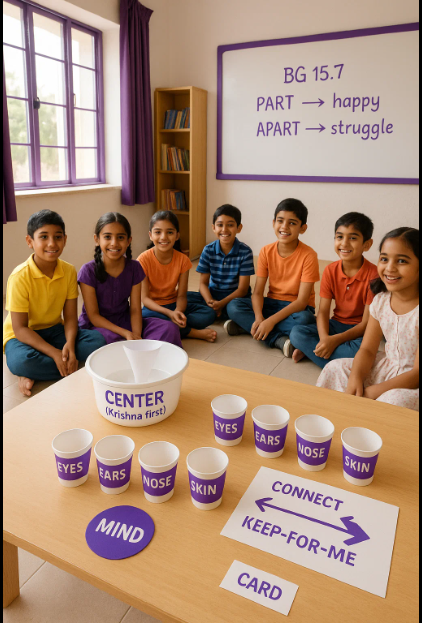
Core props
-
1 large CENTER bowl (mixing bowl works)
-
1 paper funnel (roll an A4 & tape) + 1 paper cap (to block funnel)
-
5 small cups labeled: Eyes, Ears, Nose, Tongue, Skin
-
Tape/Blu-tack for labels + a tray/table for the “Center Station”
Tokens (printables or substitutes)
-
FOOD tokens (×36) → print: tokens_food_v2.svg
(or 36 purple pom-poms/buttons) -
ENERGY tokens (×36) → print: tokens_energy_v2.svg
(or 36 darker chips/beans) -
HAVOC tokens (×24) labeled Angry, FOMO, Tummy, Tired, Distracted, Noise → print: tokens_havoc.svg
(or 24 red chips/Post-its) -
3 shallow bowls or zip-bags to sort FOOD / ENERGY / HAVOC
Cards (who decides what happens)
-
Distraction Cards (APART choices) (×8) →
(Snooze/Phone first, Snack first, Just one reel, Loud noise, Follow the smell, Too comfy to bow, Win only, Me-first plan) -
Connect-First Cards (PART choices) (×8) →
(Bow once, Hare Krishna 10s, Read 1 line from BG, Offer first, Thank you Krishna, Stop-Breathe-Connect, Kirtan 20s, Offer effort) -
Mind badge/sign (optional) and Sense badges (nice for clarity) → from earlier pack:
Nice-to-have classroom helpers
-
Painter’s tape to mark a single-file line to the funnel
-
Small timer/phone with a 60–90s kīrtan loop (start/stop cue)
-
1 clipboard for Scorekeeper
-
2 trays: one for Mind & Cards, one for Tokens
Quantities by class size
-
Up to 16 kids (Co-op mode): the counts above are enough.
-
16–30 kids (Team Relay): print double tokens (FOOD/ENERGY 60–72 each; HAVOC 36) so rounds don’t stall. Keep one Center/funnel for clarity.
Start. Pick your mode
Mode A — Co-op (whole class together) ← easiest (best for ≤16 kids)
-
Active roles at a time (7 kids): 1 Mind, 5 Senses (Eyes/Ears/Nose/Tongue/Skin), 1 Funnel Captain (optional).
-
Adults/Helpers: Token Master (you) and Scorekeeper (helper/older child).
-
Everyone else = Chant Crew; they rotate in next round.
Mode B — Team Relay (2 teams) ← fun for 16–30 kids
-
-
Split into Team Gokul and Team Govardhan.
-
Each team fields 1 Mind + 5 Senses (6 kids per team on the floor).
-
You still keep one CENTER and one funnel. Teams take turns per mini-round (keeps it calm/clear).
-
Roles (who does what)
- Make one child the Mind. Make five children senses - give each sense 6 Food Coupons. Teacher should keep Energy coupons. Make one child Funnel Master or Teacher can do it.
-
Mind (child): From the Card stack draws a Distraction or Connect-First card, speaks the line, and signals Cap ON/OFF to Funnel Master (Distraction=Cap on and Connect=Cap off).
Lines:
• APART: “Keep for me!” (shows Distraction card)
• PART: “Feed the CENTER first!” (shows Connect-First card) -
Senses (5 children): Hold their labeled cups.
• In APART, each Sense drops ONE FOOD token into their own cup.
• In PART, each Sense carries FOOD token to the funnel and pours it into the CENTER. -
Funnel Captain (optional child): Physically caps/uncaps the funnel on Mind’s cue.
-
Token Master (you):
• Hand out ENERGY tokens to all Senses whenever FOOD goes through the CENTER (rule below).
• Place/remove HAVOC tokens in a Sense’s red zone.
• Keep tokens tidy and pace the game. - Chant Crew: Call-and-response lines:
“APART → struggle!” / “PART → happy!” -
Quick rule (say it often)
“ENERGY = stand & shine. No energy = sit & droop.”
Start Activity
- Mind will sit on a chair with cards on the table. All senses should stand to begin with.
- Ask Mind to pick a card.
If Mind picks a Distraction (APART)
-
Cap ON.
-
Each Sense drops ONE FOOD token into their own cup (nothing reaches CENTER).
- No ENERGY is given. Meters do not move.
-
Class call: “APART → struggle!”
- Senses sit and droop!
If Mind picks a Connect Card (PART)
-
Cap OFF.
-
Senses carry FOOD to the funnel and pour into CENTER.
-
Token Master gives 1 ENERGY token to EACH Sense (yes, all five). If the senses are sitting then they will jump up and stand happily (since they got energy). If they are already standing they will jump up once and chant Hare Krishna.
- Class call: “PART → happy!”
Continue to play till time permits. You can give chance to another set of children for the mind and senses.
Wrap up
Ask:
-
Who am I? → Krishna’s tiny, forever PART.
-
What happens APART? → Struggle (karṣati).
-
How to be PART? → Connect first (chant/bow/learn).
Song - Bhaja Hu Re Mana
Chorus (call & response):
Bhaja hū re mana — “Hey mind, worship!”
Śrī-nanda-nandana — “Krishna, son of Nanda.”
Abhaya-caraṇāravinda re — “At His fear-free lotus feet.”
Kid-friendly meaning (say while they echo):
“Hey Mind, choose Krishna. At His lotus feet there is no fear.”
Tie to 15.7 (say before the last repeat):
“BG 15.7 says I’m Krishna’s tiny PART. When my mind connects here (points to feet), I’m happy.”
Practical Application in daily life for practice (Parents can help)
Real-life “Connect-First” suggestions:
-
Morning: bow once + “I’m Your tiny PART.”
-
Meals: offer first → eat prasādam.
-
Homework: read BG 15.7 once + 10-sec mantra, then start.
-
Screens: 60-sec chant before watching.
-
Fights: STOP → BREATHE → CONNECT (Hare Krishna ×3), then speak kindly.
-
Bedtime: 3 gratitudes + 10-sec mantra.
Chant one round
Damodar Lila
Shloka - Patram Pushpam Phalam Toyam
Materials needed - One small tulasi leaf, One fruit, One flower and One glass of water
IMPORTANT : Please request Parents one day ahead of time to send any one of these with their child. There will be a common Damodar lamp offering with elders at the end of the class. Whatever the children bring can be offered in front of the Lord then.
patraṁ puṣpaṁ phalaṁ toyaṁ
yo me bhaktyā prayacchati
tad ahaṁ bhakty-upahṛtam
aśnāmi prayatātmanaḥ
1️⃣ Warm-Up (1 min)
- Ask: “When you give something to your best friend, how do you give it—carelessly or with love?”
- Explain: “In this verse, Krishna tells us what He loves to receive from His friends.”
2️⃣ Listen & Repeat – Word by Word (3 min)
Use a call-and-response method. Teacher says → Children repeat (loud, clear, rhythmic):
Teacher says Children repeat
patraṁ patraṁ
puṣpaṁ puṣpaṁ
phalaṁ phalaṁ
toyaṁ toyaṁ
yo me bhaktyā prayacchati yo me bhaktyā prayacchati
tad ahaṁ bhakty-upahṛtam tad ahaṁ bhakty-upahṛtam
aśnāmi prayatātmanaḥ aśnāmi prayatātmanaḥ
Show with actions:
- patram (show tulasi leaf)
- puṣpam (show flower)
- phalam (show fruit)
- toyam (show glass of water)
3️⃣ Line-by-Line Recitation (2 min)
Now chant one full line, they repeat:
patraṁ puṣpaṁ phalaṁ toyaṁ
(Children repeat)
yo me bhaktyā prayacchati
(Children repeat)
…and so on.
Do this twice slowly. Meaning (2 min)
Tell the meaning in simple English:
“If someone offers Me a leaf, a flower, a fruit, or a little water with love, I accept it.”
Ask:
“What is most important—what we give or how we give?”
Children answer: “How we give—with love!”
The Rope of Love – The Dāmodara Story
Materials needed : One pot, one small stone, one small rope
Pre Preparation : You can tell this story and also enact it at the same time. Make one child Krishna. Teacher herself (if mataji) can become Yashoda or take one Assistant to do it.
🎬 Scene 1 – Mother Yaśodā’s Morning Love
Once upon a time in Gokula, Mother Yaśodā’s maid was busy,
so Yaśodā Mātā herself began to churn butter for her little boy Kṛṣṇa.
She tied her sari tightly, sat near the pot, and pulled the churning rope back and forth, back and forth — swish-swish, jhan-jhan! (gesture churning).
As she churned, she sang softly:
“Govinda Dāmodara Mādhaveti…” 🎶
Her bangles jingled, her earrings swung, drops of milk flowed from her heart full of love. Children can sway gently to the rhythm.
Just then, Kṛṣṇa toddled in — His eyes like blooming lotuses.
He felt hungry! He pulled His mother’s sari and looked up with baby hands saying,
“Mā … milk!” 🍼
She smiled, lifted Him, and lovingly fed Him.
The room glowed with sweetness.
🎬 Scene 2 – The Milk Boils Over
While Kṛṣṇa was drinking, the milk on the stove began to rise — ssshh … sputter … boil over!
Yaśodā cried, “Oh! The milk!” and gently put Kṛṣṇa down to save it.
But our naughty boy didn’t like being put aside! 😠
His eyes turned red, His lips quivered — “How could she leave Me?”
He picked up a little stone and crack! broke the butter pot!
Then, with fake tears, He sat in a corner eating butter and feeding the monkeys. 🐒
(Have one “Kṛṣṇa” and a couple of “monkeys” enact this while others giggle softly.)
🎬 Scene 3 – The Great Chase
When Yaśodā returned, she saw the broken pot and buttery footprints.
She smiled: “This must be Kṛṣṇa’s work! Where has He gone now?”
She looked around — and saw Him on top of an upside-down grinding mortar,
feeding butter to monkeys, looking left and right nervously. 👀
Very quietly she tip-toed forward (teacher and children mime tip-toeing).
Kṛṣṇa saw the stick in her hand and ran!
Round and round the courtyard — tiny feet ringing with ankle bells —
the Supreme Lord whom great yogīs cannot catch was running away from His mother!
Yaśodā Mātā ran too, her hair loosening, her flowers falling.
Finally, panting, she caught Him!
Kṛṣṇa rubbed His eyes, ready to cry. 😢
🎬 Scene 4 – The Rope That Was Too Short
Mother Yaśodā threw away the stick.
“Don’t cry, my naughty one,” she said.
“But you must be punished a little — I’ll tie you so you don’t make more mischief.”
She brought a rope — but when she tried to tie His belly,
it was two fingers short!
She got another rope — still short!
All the ropes in the house joined together — still two fingers short!
Children chant softly, clapping:
“Two fingers short! Two fingers short!”
Yaśodā laughed but kept trying, perspiring, her garland slipping down.
Finally, seeing her exhaustion and love, Kṛṣṇa smiled and let Himself be tied.
(Using the rope, “Yaśodā” gently ties “Kṛṣṇa.”)
Teacher explains softly:
The two fingers mean our effort and Kṛṣṇa’s mercy. When both meet, Kṛṣṇa stays tied in our heart.
🎬 Scene 5 – The Miracle of the Arjuna Trees
Now Kṛṣṇa sat tied to the wooden mortar, still thinking,
“Mother left Me without feeding, tied Me up — hmm, let Me do something more fun!” 😏
He crawled, pulling the heavy mortar between two tall arjuna trees that stood side by side.
The mortar got stuck — He pulled harder — crash! 🌳🌳
Both trees fell with a thunderous sound!
From the trunks came two shining beings — Nalakuvara and Maṇigrīva, sons of Kuvera.
They folded their hands and said:
“O Lord, we were cursed to stand as trees,
but by Your mercy and Mother Yaśodā’s love we are now free!”
They offered prayers and disappeared.
Kṛṣṇa just smiled innocently — as if nothing had happened.
🪔 Closing Reflection
Teacher speaks softly:
“See, children, the Supreme Lord whom even great yogīs cannot catch
was caught by His mother’s love.
This is why He is called Dāmodara — ‘the Lord bound by the belly.’”
Whenever we offer a small leaf, a flower, a fruit, or water with love — or a simple lamp in Kartika month — Kṛṣṇa accepts it, just as He accepted Yaśodā Mātā’s love.
Activity - My Offering Plate for Krishna
“I may not have much, but I can offer something with love.”
🪔 Materials Needed
-
One paper plate per child
-
Colored paper (green for leaf 🍃, pink for flower 🌸, orange/red for fruit 🍎, blue for water 💧)
-
Scissors ✂️, glue stick
-
Crayons or sketch pens
-
One small printed/pasted image of Dāmodara in the center
🪷 Steps
-
Paste Damodara's picture in the center of the plate.
-
Around it, glue four diya cut-outs (teacher can cut in the shape of diya):
-
A leaf (patram)
-
A flower (puṣpam)
-
A fruit (phalam)
-
A drop or cup of water (toyam)
-
-
Below, let the child write:
This Kartika I will offer ___________ to Damodara daily (children can choose to write tulasi leaf, a flower, a fruit, some water (any one or two or three - tell them to choose something that they think they CAN do)
- Emphasize that they are taking a vow and should try to follow it with discipline.
-
Optional: Decorate plate rim with lace, glitter, or stickers labelled “With Love” and “Bhakti Plate”.
💖 Message to Reinforce
“Kṛṣṇa doesn’t count what we give — He feels the love we give it with.”
Kishor Kishori Lesson Plans
Kishor Kishori #7
Syllabus

Learning Objectives
-
Understand what “equal vision” (sama-darśinaḥ) means in bhakti-yoga.
-
Discuss how knowledge + humility changes how we see others.
-
Apply the teaching to real-life school, family, and social situations.
Shloka
Icebreaker Question
Before verse, ask:
👉 “If you had to sit at a dinner table with five people — a rich businessman, a beggar, a cow, a sweeper, and your best friend — who would you treat best?”
This hooks them immediately and sets up the debate later.
Bg. 5.18
विद्याविनयसम्पन्ने ब्राह्मणे गवि हस्तिनि ।
शुनि चैव श्वपाके च पण्डिता: समदर्शिन: ॥ १८ ॥
The humble sages, by virtue of true knowledge, see with equal vision a learned and gentle brāhmaṇa, a cow, an elephant, a dog and a dog-eater [outcaste].
Ask: “What do you think ‘equal vision’ means?” – let students guess freely.
A. Śrīla Prabhupāda’s Equal Vision
-
When Prabhupāda went to America, he didn’t go only to universities or temples.
-
He sat under a tree in Tompkins Square Park and sang Hare Krishna.
-
Who came? Hippies, drug addicts, businessmen, professors, children.
-
He gave Krishna to all, without asking for money, caste, or qualification.
-
Key line for children: “For Prabhupāda, a hippie on the street and a big professor were both souls needing Krishna’s love.”
B. Gaura–Nitai’s Equal Mercy
-
Tell short Jagāi–Mādhāi story: Two drunkards who insulted devotees. Everyone avoided them.
-
But Nityānanda still approached them. Even when hit, He begged Mahāprabhu to forgive them.
-
Finally, both were delivered and became devotees.
-
Key line: “Even those everyone else rejected were accepted by Gaura–Nitai.”
Song - Parama Karuna
Teacher : “Prabhupāda gave Krishna to hippies and professors. Gaura–Nitai gave Krishna to drunkards like Jagāi–Mādhāi. This song — Parama Karuṇā — celebrates that mercy given to all without discrimination.”
This makes the song feel like a natural continuation, not a separate block.
https://kksongs.org/songs/p/paramakaruna.html
parama karuṇa, pahū dui jana
nitāi gauracandra
saba avatāra-sāra śiromaṇi
kevala ānanda-kanda
LYRICS:
(1)
parama karuṇa–supremely merciful; pah dui jana–the two Lords; nitāi gauracandra–Lord Nityānanda and Lord Gauracandra; saba avatāra–of all incarnations; sāra–They are the essence; śiromaṇi–and the crest jewels; kevala ānanda-kanda–exclusive fountains of bliss.
1) The two Lords, Nitai-Gauracandra, are very merciful. They are the essence of all incarnations. The specific significance of these incarnations is that They introduced a process of chanting and dancing that is simply joyful.
Debate Activity – “Who Deserves Respect?”
-
Split class into two groups.
-
Give them a scenario:
-
A school principal, a sweeper, a rich businessman, a beggar, and a cow - you see them all near your home/school.
-
-
Group A argues why some deserve more respect.
-
Group B argues why all should be respected equally.
-
After debate, teacher sums up: In material society respect is unequal, but spiritual vision is equal because everyone is part of Krishna.
Game – “Soul Glasses” (10 min)
Material Needed
Soul glasses (make from paper or bring a buy a plastic one)
Start
-
Give one student “soul glasses” (can be a paper frame).
-
Others act out roles: doctor, beggar, dog, cow, friend, enemy.
-
The student with the glasses must greet each one as “You are a soul, part of Krishna.”
-
Rotate students.
👉 Reinforces that vision changes when we see through knowledge.
Practical application in real life
Discussion prompts
-
How do we treat classmates who are poor, weak in studies, or of different background?
-
Do we sometimes treat people differently based on money, power, or looks?
-
What can we do to change that in our school and home?
Closing & Take-Home Challenge (5 min)
-
Key takeaway: True knowledge + humility = equal vision.
-
Challenge: “This week, practice treating one person you normally ignore with respect and note what happens.”
-
End with chanting one round. As we chant, let’s remember we are not just chanting for ourselves. We chant for every soul — classmates, parents, animals, even those we don’t like — because everyone belongs to Krishna.
-
“Let me see every soul as Krishna’s child.”
Bound Yet Free — The Damodara Secret of True Freedom
Core verse
Bhagavad-gītā 2.64
rāga-dveṣa-vimuktais tu
viṣayān indriyaiś caran
ātma-vaśyair vidheyātmā
prasādam adhigacchati
Meaning:
“One who restrains his senses, free from attachment and aversion, and acts with self-control, attains the Lord’s grace and peace.”
🕰️ SESSION FLOW (≈60 min)
| Segment | Time | Mode |
|---|---|---|
| 1️⃣ Recite & Discuss BG 2.64 | 10 min | Chant + meaning + reflection |
| 2️⃣ Damodara Līlā Storytelling | 15 min | Gestures + short enactment |
| 3️⃣ Full Debate Activity | 20 min | Scripted team debate |
| 4️⃣ Gītā Connection & Reflection | 10 min | Synthesis |
| 5️⃣ Damodara Vows of Freedom | 5 min | Personal pledges + lamp |
1️⃣ Verse Recitation & Meaning (10 min)
-
Chant the verse three times together.
-
Use gestures:
-
rāga-dveṣa-vimuktaḥ — open palms, releasing attachment.
-
indriyaiś caran — walk fingers forward.
-
ātma-vaśyair — hands on heart, calm breath.
-
prasādam adhigacchati — palms open, serene smile.
-
Teacher cue:
“Freedom isn’t running wild; it’s steering yourself with love.”
Ask:
-
“When have you felt peaceful after following a rule?”
-
“Why does Krishna call self-control prasāda — grace?”
2️⃣ Damodara Līlā with Gestures & Drama (15 min)
Use volunteers for Krishna & Yashodā.
-
Churning — mime circular arms, hum softly.
-
Mischief — Krishna “steals butter.”
-
Chase — Yashodā runs; class claps rhythmically.
-
Catching & Rope Too Short — show two fingers gap.
-
Finally Bound — gently tie scarf around “Krishna.”
-
Trees Delivered — two students fall like trees.
Explain:
“The rope was always two fingers short — one for our effort, one for Krishna’s mercy.
When both meet, love binds even God.”
3️⃣ DEBATE ACTIVITY (20 min)
Topic
“Choosing to be bound by commitments, relationships, and values is a sign of strength, not weakness.”
🧭 Teacher’s Framing & Introduction (3 – 5 min)
“Team India lived in tight discipline before the World Cup — no phones after curfew, fixed diets. Outsiders said ‘No freedom!’ Yet that discipline brought glory.
Similarly, many teens now take social-media fasts or Kārtika vows — they choose restraint for peace.So today we ask: When we tie ourselves to values or vows, are we limiting life — or unlocking real power?
Krishna Himself let Mother Yashodā bind Him. Let’s debate whether that kind of ‘bond’ shows weakness … or strength.”
🗓️ Debate Flow
| Segment | Time | Roles |
|---|---|---|
| Prep | 5 min | Divide into “For” / “Against” |
| Round 1 | 8 min | Two speakers per side – opening |
| Round 2 | 10 min | Rebuttals & cross-questions |
| Round 3 | 2 min | Audience vote + comments |
🟢 FOR the Motion – “Being Bound = Strength”
Opening Idea:
“True freedom is doing what’s right even when it’s hard.
Soldiers, athletes, and Krishna Himself prove that discipline is strength.”
Key Points
-
Self-control is power – Saying ‘no’ takes more courage than saying ‘yes’.
-
Love and duty build character – Relationships train patience.
-
Values anchor the mind – Principles > peer pressure.
-
Krishna’s Example – He chose to be bound by love; that is divine strength.
Closing Line:
“Chains of love are stronger than swords of pride.”
🔴 AGAINST the Motion – “Being Bound = Weakness”
Opening Idea:
“Freedom is the soul’s nature. Progress begins when someone breaks a chain.”
Key Points
-
Over-discipline kills creativity.
-
Not all bonds are healthy — some must be broken.
-
Personal growth needs space.
-
Even Krishna breaks rules — He steals butter and plays beyond limits.
Closing Line:
“Sometimes strength is the courage to untie the ropes that no longer serve love.”
💬 Rebuttal Prompts
-
“If discipline gives strength, why do disciplined people burn out?”
-
“If freedom is power, why do the freest often feel lost?”
-
“Is surrender weakness — or trust?”
Encourage quoting athletes, saints, or family examples.
🎙️ Teacher’s Closing Reflection (5 min)
“Both sides spoke well. Some bonds enslave, but some bonds empower.
Krishna’s rope was not force — it was love freely accepted.
BG 2.64 says that one who controls the senses attains prasādam — grace.
Discipline guided by love doesn’t imprison us; it sets us free from anger, greed, and chaos.”
4️⃣ Gītā Connection & Reflection (10 min)
Re-chant BG 2.64 together.
Teacher connects:
| Gītā Word | Damodara Symbol | Meaning |
|---|---|---|
| ātma-vaśyair | Yashodā’s rope | Self-control born of love |
| vidheyātmā | Yashodā’s patience | Obedient heart wins Krishna |
| prasādam | Krishna’s smile | Peace through loving discipline |
Key takeaway:
“Freedom without rules brings chaos; rules followed with love bring peace.”
5️⃣ Damodara Vows of Freedom (5 min)
Give each student a small card:
-
✋ “My rope of effort this month …”
(e.g., chant one extra round, help parents cheerfully, no phone after 9 pm) -
🙏 “My prayer for Krishna’s mercy …”
Collect near the Damodara picture.
Light a single ghee lamp while everyone softly sings the first verse of Damodarāṣṭakam.
Teacher’s closing words:
“Mother Yashodā’s rope did not limit Krishna; it revealed His love.
When we tie ourselves to truth, duty, and devotion, we taste the same freedom He taught in the Gītā.”
🪔 Final Quote to Read Aloud
“Rules followed with love bring peace;
freedom without rules brings chaos.”
— Inspired by Bhagavad-gītā 2.64
Would you like me to format this into a print-ready facilitator handout (A4 PDF) with timing boxes, cue lines, and a small sidebar for gestures and debate structure? It can be printed and used directly in class.
Docs
Fees
BPSS Fees
Rs.500 registration (one-time) + Rs.500/month
Fees - how to pay?
- Login to https://bps.iskcondhanori.com
- Enter the Mobile number which you used to register your child. Enter OTP and if all goes well you will see your Child's name.
- Click on View
- Go to Fees tab
- You will see an Unpaid bill - click to Pay
- Once you pay wait for 5 minutes and Refresh the page and status will change to Paid
30 second videos that tells it all
Unified Syllabus
BG - 1
https://kksongs.org/songs/y/yasomatinandana.html
Just sing the first verse with below actions:
| Line | Action | Meaning |
|---|---|---|
| yaśomatī-nandana | cradle baby | Krishna as Yaśodā’s child |
| braja-baro-nāgara | hand-on-heart smile | Krishna, most charming |
| kāliya-damana-vidhāna | hiss & stomp | defeating serpent Kāliya |
| vaṁśī-vadana suvāsā | play flute | Krishna’s flute |
| nanda-go-dhana-rākhowālā | mime herding cows | caring for cows |
| navanīta-taskara | pretend to steal butter | butter thief |
| yāmuna-taṭa-cara | wave hands like river | walking by Yamunā |
| śrī-rādhā-vallabha | hands together in heart | Rādhā’s beloved |
Verse BG 7.7 (mattah parataram)
What Holds Things Together?
Materials needed: a string of beads or a garland.
1️⃣ Hold up the necklace and ask:
“What happens if I cut this thread?”
→ ‘All the beads fall down!’
2️⃣ Ask: “Can you see the thread easily?”
→ ‘No!’
3️⃣ Conclude:
“Even though we can’t see it, the thread is the most important part.
In the same way, Krishna holds the whole world together — even if we don’t see Him.”
Recitation & Meaning
| Sanskrit | English | Teacher cue |
|---|---|---|
| mattaḥ parataraṁ nānyat | “There is no one higher than Me.” | gesture up (“nothing above Krishna”) |
| kiñcid asti dhanañ-jaya | “O Arjuna, nothing exists beyond Me.” | address a child as “Arjuna” — fun role-play |
| mayi sarvam idaṁ protaṁ | “Everything rests upon Me.” | spread arms around the room |
| sūtre maṇi-gaṇā iva | “Like pearls on a thread.” | hold up beads / bracelet |
💡 Chant once slowly, once faster, and once rhythmically like a song.
Activity - Invisible Thread Game
Materials needed - A ball of yarn or string.
🔹 How to Play
-
Have the children stand in a circle.
-
Teacher holds the yarn, says:
“This thread is like Krishna — invisible but connecting us all.”
-
The teacher tosses the yarn ball to one child while holding on to the end.
That child says something Krishna gives them (e.g., “He gives me love,” “He gives me food”) and tosses it to another, holding their part of the thread. -
Continue until everyone is linked by the web of yarn.
🔹 Message
Hold up the web:
“See! We’re all connected by one thread.
Even if we can’t see Krishna all the time, He’s holding all of us together.”
Then gently release the yarn, symbolizing how life falls apart when the thread (Krishna) is forgotten.
Story - The Whole Universe in Krishna’s Mouth
Teacher should read once fully this wonderful pastime - https://vedabase.io/en/library/kb/8/
🌸 1. A Happy Morning in Gokula
The sun had just risen over the village of Gokula. The cows were mooing, the calves were jumping, and Mother Yaśodā was busy churning butter.
In the courtyard, little Krishna and Balarāma played with their friends. They made toy animals from clay, built tiny houses with sticks, and laughed so much that even the parrots started repeating their giggles!
Suddenly, the children began whispering and pointing. “He did it again!” said one. “Yes, He ate mud!” shouted another. They all ran to Yaśodā Maiyā.
“Maiyā! Krishna has eaten dirt again!” they cried.
🌷 2. The Complaint
Mother Yaśodā put down her churning stick and hurried outside, her anklets jingling.
She caught hold of Krishna’s soft little hand and asked lovingly yet firmly:
“My dear Kanha, why did You eat dirt? See, everyone—even Your elder brother Balarāma—is saying so!”
Krishna looked up, eyes wide like blooming lotuses.
“Maiyā, they are all telling lies! Even Balarāma is teasing Me because I beat him in our game today! If You don’t believe Me, You can look inside My mouth Yourself.”
Mother Yaśodā, half-smiling, said,
“All right, my little truth-teller, open Your mouth. Let me see.”
💫 3. The Wonder Inside the Mouth
Krishna opened His mouth. It looked just like any child’s mouth—pink tongue, tiny white teeth—
but then…
Mother Yaśodā gasped!
Inside that tiny mouth she saw the entire universe!
🌞 The blazing sun and the shining moon.
🌊 Oceans with rolling waves, mountains capped with snow.
🌿 Forests, villages, cities, and creatures of every kind—birds, animals, people—all moving within His mouth.
She saw the sky and the stars, the fire and the wind, the rivers and clouds.
She saw the demigods, the sages, the directions, even time itself moving endlessly.
And most astonishing of all—
She saw herself, sitting at home in Gokula, with baby Krishna on her lap, looking into His mouth!
Her hands began to tremble.
“Am I dreaming?” she whispered. “Am I seeing magic? How can the whole world be inside my little boy?”
She rubbed her eyes again, but the vision only grew clearer and brighter.
🌼 4. Yaśodā’s Thoughts
Mother Yaśodā’s mind raced.
“Maybe I am becoming mad! Maybe this is some mystic power of my child. How can He, so tiny, contain everything? Mountains, oceans, stars—even me!”
Then, in her heart, devotion awoke deeply.
She thought:
“Let me bow to that Supreme Lord whose power creates everything—what is seen and unseen. By His energy, I think Nanda Mahārāja is my husband and Krishna is my son. Truly, He is the cause of all causes.”
But even as she thought this, Krishna looked up at her with innocent eyes, a tiny drop of saliva on His lip—just an ordinary, lovable child.
At that moment, Krishna used His yoga-māyā power. The majestic vision disappeared.
All Mother Yaśodā could see again was her playful little boy.
🌻 5. Love Covers Majesty
Her heart melted. She lifted Him into her arms.
“My sweet Kanha! You frightened me! Come, let’s wash Your mouth and feed You some milk.”
Krishna giggled, wrapped His small arms around her neck, and the whole cosmic mystery turned into pure motherly love.
The sages say that great yogis meditate for lifetimes to glimpse the Supreme Truth—but Mother Yaśodā found that Supreme Truth playing in her courtyard.
🌺 6. Connection to the Verse
Ask the children:
“What did Yaśodā Maiyā see inside Krishna’s mouth?”
“Everything! The whole universe!”
Explain:
“This shows that everything—planets, stars, people, even our thoughts—are held together by Krishna.
Just like pearls are held by a thread, we are all held by His love.”
Chant together:
mayi sarvam idaṁ protaṁ sūtre maṇi-gaṇā iva
“Everything rests upon Krishna like pearls on a thread.”
🌹 7. Reflection
Ask softly:
- “Have you ever felt Krishna taking care of you—when you were scared or sad?”
- “How can we remember that Krishna is always holding us together?”
Encourage simple answers like, “When I pray,” “When I chant,” “When I see nature.”
End with the class chanting once:
“Krishna, You are the invisible thread holding my world together.”
Teacher Notes
- Read slowly, with wonder; pause after key lines (“She saw mountains… stars… herself!”).
- Keep tone warm and affectionate—avoid heavy philosophy.
- Conclude by linking directly to the thread and beads craft.
Craft - Krishna-Thread Bracelet
Wearable bead bracelet version of ‘Pearls on a Thread’
🎯 Objective
To create a simple, wearable bracelet that reminds children of this week’s verse:
Bhagavad-gītā 7.7 — mayi sarvam idaṁ protaṁ sūtre maṇi-gaṇā iva
“Everything rests upon Me, like pearls on a thread.”
🌼 Parent Communication (Before Class)
Send a WhatsApp / note midweek:
📩 Message to Parents
Hare Krishna! This Sunday in BPSS, our Juniors will be making a “Krishna-Thread Bracelet” to remember that Krishna is the invisible thread holding everything together (Bhagavad-gītā 7.7).Kindly send with your child:We’ll provide markers, glue dots, and printed verse tags.
- 8–10 small plastic or wooden beads (½ cm–1 cm each, any colors)
- 1 slightly larger bead or charm (for Krishna, preferably golden or white)
- 1 elastic thread (about 25 cm) or a thin cotton string
- Optional: one small tag or heart-shaped bead with their name
Thank you for helping your child remember Krishna through hands-on learning! 🌸
— BPSS Team
🌸 Materials (For Teachers to Keep Extra)
Prepare 15–20 spare kits for kids who forget:
- Beads assorted (colors, shapes)
- Gold/silver “Krishna bead” (can use a shiny sequin or plastic bead)
- Pre-cut elastic threads (25 cm each)
- Small verse tags (printed “Krishna holds us all together”)
- Scissors & clear tape
🌻 3. Classroom Flow (15 Minutes)
Hold up sample bracelet.
“This bracelet reminds us that Krishna is the invisible thread connecting all of us like pearls on a string!”
Let children chant once together:
mayi sarvam idaṁ protaṁ sūtre maṇi-gaṇā iva
💫 Step 2 – Making the Bracelet
- Give each child the pre-cut elastic thread.
- Tape one end to the table so beads don’t fall.
- Let them add 8–10 beads of any color.
- In the middle, place the shiny Krishna bead.
- Optionally, add a heart or name bead near the end.
- Tie the two ends with double knot; teachers assist and trim excess.
While they craft, play soft background bhajan (Yasomatinandana instrumental) or softly chant.
🌼 Step 3 – Blessing & Wear
When all are done:
- Have everyone hold their bracelet between palms.
- Recite together:
“Krishna, You are the thread that holds me together.”
- Then let them wear it on their right wrist.
- Optional: sprinkle a drop of scented water or flower petals as “Krishna’s blessing.”
🌷 4. Display & Memory Connection
- Take a group photo: “We are all pearls in Krishna’s necklace!”
- Optionally, pin up a poster showing verse + kids’ names under “pearls.”
- Encourage them to wear it all week and show their parents, saying the verse.
🌺 5. Safety Notes
- Use soft elastic cord; avoid metal wire.
- Teachers or parents tie knots for younger kids.
- Avoid beads too small for under-6 children (choking risk).
KK - 1
https://kksongs.org/songs/y/yasomatinandana.html
Verse BG 7.7 (mattah parataram)
What Holds Things Together?
Materials needed: a string of beads or a garland.
1️⃣ Hold up the necklace and ask:
“What happens if I cut this thread?”
→ ‘All the beads fall down!’
2️⃣ Ask: “Can you see the thread easily?”
→ ‘No!’
3️⃣ Conclude:
“Even though we can’t see it, the thread is the most important part.
In the same way, Krishna holds the whole world together — even if we don’t see Him.”
Recitation & Meaning
| Sanskrit | English | Teacher cue |
|---|---|---|
| mattaḥ parataraṁ nānyat | “There is no one higher than Me.” | gesture up (“nothing above Krishna”) |
| kiñcid asti dhanañ-jaya | “O Arjuna, nothing exists beyond Me.” | address a child as “Arjuna” — fun role-play |
| mayi sarvam idaṁ protaṁ | “Everything rests upon Me.” | spread arms around the room |
| sūtre maṇi-gaṇā iva | “Like pearls on a thread.” | hold up beads / bracelet |
💡 Chant once slowly, once faster, and once rhythmically like a song.
Story - The Whole Universe in Krishna’s Mouth
Teacher should read once fully this wonderful pastime - https://vedabase.io/en/library/kb/8/
and present in 10 mins to the students
Session Title : The God Behind the Equation
🌟 PART 1 — The Miracle of Explainability (≈ 30 min)
1️⃣ Opening Hook
“Have you ever wondered why the universe makes sense?
Why do invisible numbers describe falling apples and orbiting planets?
Why does 2 + 2 = 4 everywhere — on Earth, Mars, and your calculator?”
Pause → “Imagine a universe where gravity sometimes worked and sometimes didn’t. Could science even exist?”
2️⃣ Story
Tell Newton’s discovery:
“When Newton saw the apple fall, he didn’t invent gravity — he discovered it.
The law was already there, quietly operating, long before he named it.”
Add a modern link:
“Einstein didn’t create E = mc² — he uncovered a truth already woven into creation.
The real question is: Who wove it?”
3️⃣ Concept: Rationality Points Beyond
Rationality assumes the universe is orderly.
But if everything were random, why would order appear at all?
Even our brains, made of chemicals, long for truth, justice, and beauty — instincts that go beyond survival.
Quote:
“Physicist Eugene Wigner called it ‘the unreasonable effectiveness of mathematics.’”
Then tie back:
“That ‘effectiveness’ has a Cause.
Mattah parataram nānyat — Krishna is the intelligence that makes logic possible.”
4️⃣ Mini Debate – Reason vs. Randomness
Prompt: “If science can explain everything, do we still need God?”
Team A: “No — science is enough.”
Team B: “Yes — science itself proves divine design.”
Facilitator tips:
Keep each side to 3 minutes of points + 2 minutes rebuttal.
End with synthesis:
“Science explains how the pattern works; spirituality explains why the pattern exists.
God is not a gap filler; He’s the reason there are no gaps in reason.”
5️⃣ Verse Reflection
Chant together:
Mattah parataram nānyat kiñcid asti dhanañjaya
mayi sarvam idaṁ protaṁ sūtra-maṇi-gaṇā iva
Explain briefly:
“We see the pearls of nature — atoms, planets, laws —
but Krishna is the invisible thread holding them together.”
6️⃣ Takeaway
“God isn’t the explanation for the unexplained —
He’s the reason anything can be explained at all.”
🔬 PART 2 — When Science Meets Spirit
1️⃣ Re-Hook
“Now that we know why the world is explainable, let’s see why that understanding needs direction.”
“Science can build a smartphone — but can it teach us whom to call and what to say?”
2️⃣ Illustration
“A knife in a surgeon’s hand saves life; in a criminal’s hand it takes life.
Same science, different motive.”
“Science gives control; spirituality gives conscience.”
3️⃣ Concept
Science answers how; spirituality answers why.
Without values, progress can destroy what it creates.
“We learned to fly in the air but forgot how to walk on Earth without crushing others.”
Analogy:
“Like two wings of a bird — knowledge and values. Without both, we can’t fly straight.”
4️⃣ Group Discussion – Use or Misuse
Prompt: “Is science dangerous without spirituality, or can human ethics alone keep it safe?”
Small groups discuss; 2 minutes each share an example (AI, genetic engineering, nuclear power).
Facilitator sums up:
“Science is powerful; heart-education decides how that power is used.
That moral compass comes from spiritual vision.”
5️⃣ Verse
Re-chant Mattah parataram nānyat.
“Krishna is the source of both jnāna (knowledge) and vijñāna (applied science).
The same Lord who governs physics also plays the flute —
intelligence and affection come from the same Person.”
6️⃣ Takeaway
Science studies matter.
Spirituality studies what matters.
Together they make knowledge meaningful.
Practice at Home
🌿 1. The “Daily Wonder Log” (Rationality → Gratitude)
Purpose: To train their rational mind to see divine intelligence in daily life.
Practice:
-
Every evening, note one thing in nature or technology that amazed you — a pattern, precision, or design.
-
Then write a single line: “This too is Krishna’s intelligence at work.”
Examples: “Wi-Fi signal connecting devices → Krishna’s invisible thread,” “Heartbeat rhythm → divine programming.”
Outcome: The intellect begins to see order as a doorway to God.
🔭 2. “Science Meets Spirit” Journal Prompt (5-minute reflection)
At least twice this week, write short answers to:
-
“What scientific fact or discovery makes me feel awe or gratitude?”
-
“How does it point me toward Krishna?”
-
“How can I use my own knowledge or skill to serve others?”
Outcome: Moves the concept from theory to relationship and service.
💡 3. “Wonder and Use” Challenge
Task: Pick one invention you use daily (phone, fan, or fridge).
-
Find out how it works (rational side).
-
Then spend 2 minutes thinking why this power exists — how Krishna’s intelligence makes it possible.
-
Offer a small prayer of gratitude before using it once that day.
Outcome: Integrates science and spirituality in everyday behavior.
BG - 2
https://kksongs.org/songs/y/yasomatinandana.html
Last Sunday the first stanza was recited - you can continue that and the second one.
Bhagavad-gita Verse
Recap last week's BG 7.17 nicely so that children recollect "Krishna is the underlying thread" that holds EVERYTHING together nicely.
Now in today's session we will explore that "thread" by discussing BG 15.13
BG 15.13
गामाविश्य च भूतानि धारयाम्यहमोजसा ।
पुष्णामि चौषधी: सर्वा: सोमो भूत्वा रसात्मक: ॥ १३ ॥
gām āviśya ca bhūtāni
dhārayāmy aham ojasā
puṣṇāmi cauṣadhīḥ sarvāḥ
somo bhūtvā rasātmakaḥ
I enter into each planet, and by My energy they stay in orbit. I become the moon and thereby supply the juice of life to all vegetables.
Core Message
Krishna personally enters the Earth and holds it up from within — like an invisible force keeping the planet stable and full of life. o when we look at the mountains, oceans, trees, and crops, we should remember:
🌍 “The Lord is inside the Earth, making it strong, green, and alive!”
Activity “My Floating Earth (Balloon Version)”
🌍 (Balloon-Earth)
●
|
(Invisible Thread)
|
┌────────────────┐
| Cup Base |
| “BG 15.13” Tag |
└────────────────┘
🧺 Materials (Per Child)
| Item | Qty | Notes |
|---|---|---|
| Small round balloon (5-6 inch) | 1 | Diff colors - see below |
| Thin black thread / fishing line | 20 cm | Represents Krishna’s ojasā (invisible energy). |
| Paper cup (base) | 1 | Plain or decorated. |
| Tape / Glue dot | 1–2 | To secure thread to knot + cup. |
| Permanent markers (green, blue, brown) | — | To draw continents + oceans. |
| Printed verse tag strip | 1 | > “By Krishna’s energy the world is held – BG 15.13” |
| Hole-punch / pencil | — | To make hole in cup base. |
Ballloon Color Choices
| Planet | Balloon Color | Easy Decoration Ideas |
|---|---|---|
| Mercury | Grey | Rocky dots |
| Venus | Yellow-orange | Swirly clouds |
| Earth | Blue | Green continents |
| Mars | Red | Polar caps |
| Jupiter | Orange | Brown stripes |
| Saturn | Gold | Paper ring strip taped around middle |
| Uranus | Light blue | Thin white ring |
| Neptune | Dark blue | Tiny white cloud streaks |
| Sun | Bright yellow | Rays drawn outward on tag card |
Preparation for Teachers
-
Pre-punch holes in cups.
-
Cut threads ≈ 20 cm long.
-
Inflate balloons just to palm-size so they are light.
-
Tie knots tightly.
-
Have a few spares ready (some pop).
🪐 Step-by-Step Instructions
1 · Color the Planet
Draw continents (green) and oceans (blue).
If baloon is earth then mark a tiny ❤ — “My home on Krishna’s Earth.”
2 · Attach the Invisible Energy
Tie or tape one end of the black thread around the balloon’s knot.
3 · Create the Base
Make a small hole in the bottom of the cup.
Pass the other end of the thread through and tape it inside so that the balloon floats 1 inch above the rim.
Note - If room permits hang the thread from the ceiling and you will have beautiful floating solar system. If not use cups.
4 · Add the Verse Tag
Paste the printed verse on the cup’s outer side. Alternately you can also write with a Pen on the Cup "gām āviśya ca bhūtāni"
Message to Parents
🌞 BPSS Sunday Class – “Floating Planet Craft” (BG 15.13)
🌸 Dear Parents,
This Sunday our Bhakta Prahlad Sunday School children will learn a wonderful truth from the Bhagavad-gītā:“I enter into each planet, and by My energy they stay in orbit.” (BG 15.13)
Through a science + bhakti activity called “The Floating Planet Craft,” children will see how every planet—Mercury to Neptune—floats because of Krishna’s invisible energy (ojasā).
🪐 What to Send with Your Child
Please send one small round balloon (5–6 inch) in any color your child likes.
They can choose their favourite planet, and we’ll have many “worlds” floating together in class!
Suggested colors Planet idea Grey / Silver Mercury Yellow / Golden Venus or Sun Blue Earth Red Mars Orange / Brown Jupiter Gold (with paper ring) Saturn Light Blue Uranus Dark Blue Neptune Also bring:
1 paper cup (for the base)
A few sketch pens or markers
(We’ll provide the thread, tape, and verse tags.)
🌈 Learning outcome
Children will:
✨ Discover why planets “float” in space
✨ Understand Krishna’s sustaining energy
✨ Take home their own “planet” as a reminder of BG 15.13We look forward to a joyful and devotional session together!
🌸 “By Krishna’s energy, the world is held.”— BPSS Team
ISKCON Dhanori
Story - Varaha lifts Earth
✴️ Teaching Bridge
Say to the children:
“Sometimes the Lord holds the Earth invisibly — like the power that keeps gravity working and trees growing.
But once, long ago, He showed it visibly — when the Earth had fallen into the ocean, and He personally came as Varāha, the divine boar, to lift her up!”
Hiranyaksha was a powerful demon. At the time of his birth unlucky omens appeared everywhere. Violent winds uprooted trees, volcanoes erupted and inky clouds rained endlessly as lightening slashed the sky. Owls screeched fiercely, wolves howled at the moon and trembling cows gave blood instead of milk.
Hiranyaksha grew to be as large as a mountain. His golden crown appeared to kiss the sky. The earth quaked as he walked. Greater than his height was his pride, but even greater was his greed. He mined so much gold from the Earth that the planet lost its balance, fell out of orbit and plunged into the ocean at the bottom of the Universe.
The proud Hiranyaksha dived into the ocean, terrifying all the sea creatures as he whirled his golden club. He was eager to fight and looked for Varuna, the lord of the waters. Coming face-to-face with Varuna, he challenged him to combat.
“I have stopped fighting now due to old age,” said Varuna. “However, you are so expert in fighting that the only person equal to you is Lord Vishnu himself. When you meet him, he will destroy your pride and you will lie down to sleep on the battlefield.”
Not caring for the words of Varuna, Hiranyaksha left in search for his enemy. Meanwhile, Lord Vishnu, in His form as a huge red boar, entered the cosmic ocean. Sniffing through the mud at the bottom, He found the earth planet. Then, lifting it on His two white tusks, He rose out of the water.
Hiranyaksha was waiting, very angry. “Oh amphibious beast,” he cried, “this Earth is mine. Today I will please my demon friends by smashing your skull.”
Lord Varaha was concerned to protect Mother Earth and so raced through space with the planet on His tusks.
Hiranyaksha followed him shouting “Coward! Come back! Come back!”
Lord Varaha is in charge of the law of gravity. Making the Earth very light, he gently placed her on the surface of the sea where she floated like a turquoise ball.
With the earth now safe, Varaha turned to Hiranyaksha and laughed mockingly, “I am indeed the beast out to kill dogs like you. I am not afraid for you are a mortal, bound by the laws of death. Give up your foolish talk and fight.
Hiranyaksha, trembling with anger and hissing like a cobra, sprang at the Lord with his golden club. Varaha dodged the blow and struck out with His own mace. As the fight raged on, both were injured and the smell of blood increased their fury.
From up on high the residents of the heavens watched this terrible fight. They begged Lord Varaha “please, do not play any longer with this wicked demon. Finish him off quickly.”
Lord Varaha glanced lovingly at His devotees, then sprang at Hiranyaksha, aiming His mace at the demon’s chin. But Hiranyaksha knocked the mace from Varaha’s hand and sent it spinning deep into space.
The demigods cried in alarm, ‘Alas! Alas! What will happen know?”
Lord Varaha called for His famous disc weapon and it appeared in the sky, razor-sharp and whirling like a circular saw.
Seeing this, Hiranyaksha exploded with fury. Glaring at the Lord with burning eyes, he hurled his mace, screaming “Now you are slain!”
The Lord deftly knocked it away with His left foot. Then coolly and calmly He said, “Pick up your weapon and try again?”
Roaring like a lion, the demon again hurled his mace. But the divine boar easily caught it just like a hawk catches a mouse. He offered it to the demon. “Why don’t you try again?” He asked.
Hiranyaksha became ashamed and angry. Taking instead a flaming trident, he hurled it with all his might towards the Lord.
Varaha easily cut it into seven pieces with His razor-sharp disc.
Using his magical powers the demon became invisible. Fierce winds blew from all directions: stones dropped out of the sky; angry clouds poured down blood, urine, hair and bones; armies of fierce demons appeared as if from nowhere riding on phantom horses and elephants.
Using His own mystical powers, the Lord dispelled the demon’s magic. Still Hiranyaksha did not give up. He ran up to the lord, embraced Him and tried to crush Him with his powerful arms.
The demigods watched in horror. Seeing their forlorn faces, Lord Varaha decided; “I’ve played with this demon long enough.”
Casually, He slapped Hiranyaksha at the base of his ear. Hiranyaksha’s body quivered; his eyeballs bulged out of their sockets; and he fell down dead like a huge tree cut down by a hurricane.
Lord Varaha placed the earth back into its correct orbit. The demigods were overjoyed and praised the Lord, “You are not forced like us to take your birth but you do so by your own free will. You appear in a form just suitable to perform your mission of rescuing the Earth from a dirty place".
KK - 2
https://kksongs.org/songs/y/yasomatinandana.html
Last Sunday the the first stanza was recited - you can continue that and the second one.
Bhagavad-gita Verse
Recap last week's BG 7.17 nicely so that children recollect "Krishna is the underlying thread" that holds EVERYTHING together nicely.
There were three Practice at home exercises - inquire if anyone has tried. If anyone did they must be encouraged and others can also be inspired. It is important that teachers regularly encourage students to practice the suggested exercises. Without practice progress will be slow.
Now in today's session we will explore that "thread" further by discussing BG 15.13.
Warm-Up for today's class
Ask:
“If Earth suddenly stopped moving, what happens?”
Let them answer freely — it anchors the seriousness of stability.
गामाविश्य च भूतानि धारयाम्यहमोजसा ।
पुष्णामि चौषधी: सर्वा: सोमो भूत्वा रसात्मक: ॥ १३ ॥
gām āviśya ca bhūtāni
dhārayāmy aham ojasā
puṣṇāmi cauṣadhīḥ sarvāḥ
somo bhūtvā rasātmakaḥ
I enter into each planet, and by My energy they stay in orbit. I become the moon and thereby supply the juice of life to all vegetables.
“Is this poetry or physics?”
That question becomes the theme.
Core Message
Krishna personally enters the Earth and holds it up from within — like an invisible force keeping the planet stable and full of life. o when we look at the mountains, oceans, trees, and crops, we should remember:
🌍 “The Lord is inside the Earth, making it strong, green, and alive!”
🧠 Scientific Grounding for BG 15.13 — Simple Teacher Script
Main message: Science tells us how planets move. Krishna tells us why they can.
🪐 1️⃣ Gravity — The Pull That Keeps Planets Around the Sun (5 min)
Explain:
“Every object that has weight pulls on every other object.
The Sun is huge, so it pulls the Earth toward itself.
But the Earth is also moving sideways very fast — about 30 kilometres every second.
That sideways speed makes it miss the Sun again and again, so it keeps going around instead of falling in.”
Analogy:
🎯 “It’s like tying a stone to a string and spinning it.
The string keeps pulling it in — that’s gravity.
If you cut the string, the stone flies off — same with planets if gravity stops.”
Key line to connect:
“That invisible ‘pull’ is what Krishna calls My energy (ojasā).”
☀️ 2️⃣ Balance — The Fine Tuning of Motion (5 min)
Explain:
“If the Earth slowed down even a little, it would spiral into the Sun and burn.
If it sped up a bit, it would fly away into space and freeze.
The distance, speed, and size are all just right — as if someone tuned them carefully.”
Analogy:
🎻 “It’s like tuning a guitar string — too tight, it snaps; too loose, it buzzes.
Nature’s ‘string’ is tuned perfectly.”
Teacher prompt:
Ask students:
“Who or what tuned it?
Could pure chance keep billions of planets in balance for billions of years?”
🌍 3️⃣ Energy — Nothing Moves Without a Power Source (5 min)
Explain:
“Gravity is a pull, but the whole solar system still needs energy to keep moving.
The Sun constantly gives light and heat.
Without that energy, all life and motion would stop.”
Analogy:
💡 “A fan keeps spinning only while electricity flows.
When you switch off the power, it slows down and stops.
In the same way, Krishna’s energy is the ‘power-on’ button of the universe.”
Bridge line:
“Science calls it energy conservation.
The Gītā calls it Krishna entering each planet and sustaining it.”
💬 Wrap-up question
Ask the class:
“Science has described gravity, motion, and energy very well.
But why are these laws constant and precise?
Who keeps the settings from drifting?”
Then reveal the verse again:
gām āviśya ca bhūtāni dhārayāmy aham ojasā —
“I enter into each planet, and by My energy they stay in orbit.”
🔹 Teacher confidence cheat-sheet
| Term | Simple meaning to say |
|---|---|
| Gravity | A steady pull between masses |
| Orbit | The perfect balance between pull and motion |
| Fine-tuning | Everything adjusted “just right” |
| Energy | The power that keeps things moving |
| Ojasā | Krishna’s invisible sustaining strength |
Story - Varaha lifts Earth
✴️ Teaching Bridge
Say to the children:
“Sometimes the Lord holds the Earth invisibly — like the power that keeps gravity working and trees growing.
But once, long ago, He showed it visibly — when the Earth had fallen into the ocean, and He personally came as Varāha, the divine boar, to lift her up!”
Hiranyaksha was a powerful demon. At the time of his birth unlucky omens appeared everywhere. Violent winds uprooted trees, volcanoes erupted and inky clouds rained endlessly as lightening slashed the sky. Owls screeched fiercely, wolves howled at the moon and trembling cows gave blood instead of milk.
Hiranyaksha grew to be as large as a mountain. His golden crown appeared to kiss the sky. The earth quaked as he walked. Greater than his height was his pride, but even greater was his greed. He mined so much gold from the Earth that the planet lost its balance, fell out of orbit and plunged into the ocean at the bottom of the Universe.
The proud Hiranyaksha dived into the ocean, terrifying all the sea creatures as he whirled his golden club. He was eager to fight and looked for Varuna, the lord of the waters. Coming face-to-face with Varuna, he challenged him to combat.
“I have stopped fighting now due to old age,” said Varuna. “However, you are so expert in fighting that the only person equal to you is Lord Vishnu himself. When you meet him, he will destroy your pride and you will lie down to sleep on the battlefield.”
Not caring for the words of Varuna, Hiranyaksha left in search for his enemy. Meanwhile, Lord Vishnu, in His form as a huge red boar, entered the cosmic ocean. Sniffing through the mud at the bottom, He found the earth planet. Then, lifting it on His two white tusks, He rose out of the water.
Hiranyaksha was waiting, very angry. “Oh amphibious beast,” he cried, “this Earth is mine. Today I will please my demon friends by smashing your skull.”
Lord Varaha was concerned to protect Mother Earth and so raced through space with the planet on His tusks.
Hiranyaksha followed him shouting “Coward! Come back! Come back!”
Lord Varaha is in charge of the law of gravity. Making the Earth very light, he gently placed her on the surface of the sea where she floated like a turquoise ball.
With the earth now safe, Varaha turned to Hiranyaksha and laughed mockingly, “I am indeed the beast out to kill dogs like you. I am not afraid for you are a mortal, bound by the laws of death. Give up your foolish talk and fight.
Hiranyaksha, trembling with anger and hissing like a cobra, sprang at the Lord with his golden club. Varaha dodged the blow and struck out with His own mace. As the fight raged on, both were injured and the smell of blood increased their fury.
From up on high the residents of the heavens watched this terrible fight. They begged Lord Varaha “please, do not play any longer with this wicked demon. Finish him off quickly.”
Lord Varaha glanced lovingly at His devotees, then sprang at Hiranyaksha, aiming His mace at the demon’s chin. But Hiranyaksha knocked the mace from Varaha’s hand and sent it spinning deep into space.
The demigods cried in alarm, ‘Alas! Alas! What will happen know?”
Lord Varaha called for His famous disc weapon and it appeared in the sky, razor-sharp and whirling like a circular saw.
Seeing this, Hiranyaksha exploded with fury. Glaring at the Lord with burning eyes, he hurled his mace, screaming “Now you are slain!”
The Lord deftly knocked it away with His left foot. Then coolly and calmly He said, “Pick up your weapon and try again?”
Roaring like a lion, the demon again hurled his mace. But the divine boar easily caught it just like a hawk catches a mouse. He offered it to the demon. “Why don’t you try again?” He asked.
Hiranyaksha became ashamed and angry. Taking instead a flaming trident, he hurled it with all his might towards the Lord.
Varaha easily cut it into seven pieces with His razor-sharp disc.
Using his magical powers the demon became invisible. Fierce winds blew from all directions: stones dropped out of the sky; angry clouds poured down blood, urine, hair and bones; armies of fierce demons appeared as if from nowhere riding on phantom horses and elephants.
Using His own mystical powers, the Lord dispelled the demon’s magic. Still Hiranyaksha did not give up. He ran up to the lord, embraced Him and tried to crush Him with his powerful arms.
The demigods watched in horror. Seeing their forlorn faces, Lord Varaha decided; “I’ve played with this demon long enough.”
Casually, He slapped Hiranyaksha at the base of his ear. Hiranyaksha’s body quivered; his eyeballs bulged out of their sockets; and he fell down dead like a huge tree cut down by a hurricane.
Lord Varaha placed the earth back into its correct orbit. The demigods were overjoyed and praised the Lord, “You are not forced like us to take your birth but you do so by your own free will. You appear in a form just suitable to perform your mission of rescuing the Earth from a dirty place".
Debate Segment
Split class into 2 teams:
🔹 Team A – Scientific Explanation Only
“Planets stay because of gravity; no divine hand needed.”
🔸 Team B – Gītā’s Theistic Model
“Laws are real, but laws imply a law-giver.”
Give 5 min prep with cue cards.
Encourage citing both data (Newton, Einstein, fine-tuning) and texts (BG 15.13, 9.10).
Moderator (teacher) ensures logic, not preaching.
After 15 min debate, hold 5 min cross-examination:
Each side asks the other one question — e.g.,
“Who maintains the constants of physics?”
“If everything is divine will, why does math predict orbits exactly?”
Synthesis Discussion (15 min)
Facilitator writes on board:
Science describes HOW | Gītā explains WHY.
Prompts:
-
Can both be true simultaneously?
-
Is “divine energy” another name for “universal laws”?
-
If gravity vanished for 1 sec, what verse describes it (BG 9.7–9.8)?
-
What is the “personal gravity” in our own life that keeps us in orbit?
Let students find harmony rather than hierarchy.
🧪 Mini-Experiment (in class): “Orbit in Your Hand”
🎯 Goal:
To help students visualize how planets don’t fall — by balancing gravity (pull) and motion (sideways speed).
They’ll see that if either force is removed, the “planet” flies away or crashes — just as the Gītā says the Lord’s energy keeps them “in orbit.”
⚙️ Materials Needed (per demo set)
-
1 soft rubber ball or tennis ball (planet)
-
1 piece of string about 1 metre long (gravity)
-
1 sturdy pen / marker / plastic cup (acts as the Sun, held at center)
-
A small open space — or even an empty classroom corner
🪐 Steps
-
Tie one end of the string to the ball; the other end you hold in your hand.
-
Spin the ball gently in a horizontal circle.
-
Tell students: “The string is like gravity — it keeps the planet from flying off.”
-
-
Stop pulling or cut the string (you can untie, don’t really cut).
-
The ball shoots straight — not in a circle.
-
That shows: without a steady pull, the planet flies off — gravity / Krishna’s ojasā gone.
-
-
Slow down your spin until the ball begins to droop.
-
This shows: if the planet’s motion slows, it would fall into the Sun.
-
-
Ask the class:
-
“What keeps it in perfect motion? Who keeps that balance from ever failing?”
-
🧩 Key Teaching Lines
“What the string does for this ball, gravity does for planets.
But what keeps gravity constant?
That’s what Krishna explains — ‘I enter each planet, and by My energy they stay.’
At-Home Exercises
🏠 Exercise 1 — The Water-in-the-Cup Challenge
https://www.youtube.com/watch?v=KdbbCf9Aluc
Goal: Demonstrate that motion + pull can balance gravity.
You’ll need:
-
A plastic cup half-filled with water
-
A firm grip and some courage
Steps:
-
Hold the cup tightly.
-
Swing it in a full circle over your head (do this outdoors).
-
The water doesn’t fall — even when upside down!
-
Because the circular motion pushes water toward the bottom just as gravity pulls.
-
-
Reflect: “Even water listens to the laws set by Krishna.”
Connect:
“If I stop mid-way or lose rhythm, water spills — just like the universe collapses if Krishna withdraws His energy.”
At Home Exercise — The Invisible Pull of the Earth
Goal: Feel the constant presence of gravity in daily life.
Steps:
-
Hold any small object (pen, eraser, key) at shoulder height and drop it.
-
It always falls — not 9 out of 10 times, but 10 out of 10.
-
-
Try this at home, outside, on stairs — it never changes.
-
Reflect in your journal:
-
“Gravity never forgets to act.
Does Krishna ever forget to support us?” -
“Who maintains this perfect reliability of nature?”
-
BG - 3
https://kksongs.org/songs/y/yasomatinandana.html
Last Sunday the second stanza was recited - you can continue with third one and all three together.
Bhagavad-gita Verse 15.13 continued
Recap last week's BG 15.13 nicely so that children recollect how the various planets are floating because Krishna enters and holds them.
Now in today's session we continue 15.13 by focusing on GRAVITY
BG 15.13
गामाविश्य च भूतानि धारयाम्यहमोजसा ।
पुष्णामि चौषधी: सर्वा: सोमो भूत्वा रसात्मक: ॥ १३ ॥
gām āviśya ca bhūtāni
dhārayāmy aham ojasā
puṣṇāmi cauṣadhīḥ sarvāḥ
somo bhūtvā rasātmakaḥ
I enter into each planet, and by My energy they stay in orbit. I become the moon and thereby supply the juice of life to all vegetables.
Core Message
GRAVITY is vital for us to live. It is also vital for many aspects of technology and progress.
🌟 THEME - “Thank You Krishna, for Gravity!”
(BG 15.13 – “By My energy I sustain all planets”)
🪔 OBJECTIVE
Children realize that almost everything they do depends on Krishna’s invisible force — Gravity!
Without it, toothbrushes, chips, water, even they themselves would fly away!
You can make this a dramatic show-and-tell — hold up the item and ask, “What if this started flying away?”
| # | Everyday Thing | What Gravity Does | What Would Happen Without It |
|---|---|---|---|
| 1 | 🪥 Brushing teeth | Keeps brush & toothpaste in your hand | Toothbrush flies off — paste floats in air! |
| 2 | 🥣 Eating breakfast | Keeps cereal, milk, spoon in bowl | Food floats like in space! |
| 3 | 🚶 Walking to school | Pulls you to ground | You bounce away like a balloon! |
| 4 | 🏫 Sitting in class | Keeps chairs, desks stable | Everyone floats mid-air — chaos! |
| 5 | ✏️ Writing | Keeps paper on desk | Paper keeps slipping upward! |
| 6 | 💧 Drinking water | Pulls liquid downward to swallow | Water won’t go down your throat |
| 7 | 🪁 Flying a kite | Keeps you on the ground while kite flies | You float up with the kite! |
| 8 | 🏃 Playing football | Pulls ball down | Ball never lands — game over |
| 9 | 🌧️ Rain & rivers | Brings water down, keeps flow | No rain, no rivers — world dries |
| 10 | 🛌 Sleeping | Keeps you on bed | You drift like a balloon while asleep! |
💬 Teacher prompt: “Who can think of one more thing you couldn’t do without gravity?”
(Watching TV, painting, etc.)
Give a chance to every child to say something.
Activity - No Breakfast today
Materials needed
Light weight things that we can lift secretly with a invisible thread. Plastic plate, spoon, fork, tissue paper. foam balls representing rasgulla etc.
Arrangement
On one table arrange a Breakfast plate. Plastic or Foam plate. One Spoon. One Fork. Three potato chips. All of them must be tied to one invisible thread from the ceiling. This tied to the thread setup must be kept ready but will be shown later.
First arrange the Breakfast plate without thread. Ask one student to come forward and have breakfast. Let him eat the chips.
Teachers: Now Krishna will Switch off Gravity in five mins. Tell then let us take a break. This will give time for you to arrange the Other Breakfast plate (with threads).
Once ready ask another student to come. Ask him to sit on a chair in front of the table, he should not stand up. Ask him to start eating breakfast. As soon as he tries to touch the Chip the hidden volunteer must pull it up :-) Next he must pull the plate, spoon, fork etc. He can move them up and down. Children will have a blast.
Give one more child a chance.
Reflection : Without Krishna's gravity we cannot even have our Breakfast.
Story - The descent of Mother Ganga
✴️ Many children know about the Maha Kumbha that happened in Jan-2025. Ask them what they know. Did anyone go.
Tell them we will understand why millions take a bath in the Ganga daily. Tell the Story of Mother Ganga's descent.
Please read below sections from Bhagavatam nicely to tell the story.
1- https://vedabase.io/en/library/sb/5/17 (verses 1 to 4)
2- SB Canto 9 Chapters 8–9 (read relevant sections)
Gist
1. The Divine Beginning — How Gaṅgā Came Into the Universe
-
Once, Lord Viṣṇu appeared as Vāmana, a beautiful dwarf brāhmaṇa, before King Bali Mahārāja.
-
Vāmana asked for just three steps of land.
-
With two steps, He covered the entire universe — earth, sky, and heaven.
-
The tip of His toe pierced the covering of the universe, allowing a few drops of the Causal Ocean to flow in.
-
These drops became the sacred Gaṅgā, the Viṣṇu-pādodaka — water that touched the Lord’s feet.
-
Lord Śiva received those divine waters on his head to break their force and held them there for a thousand celestial years.
2. King Sagara and His Sixty Thousand Sons
-
Generations later, in the dynasty of Rohita, appeared King Sagara, born with poison in his body (sa = with, gara = poison).
-
Sagara was powerful and righteous; he performed many Aśvamedha yajñas (horse sacrifices).
-
Indra, feeling threatened, stole the sacrificial horse and hid it underground near Kapiladeva, an incarnation of the Lord.
-
Sagara’s 60,000 sons, born from his wife Sumati, dug deep into the earth searching for the horse — their digging created the Sāgara Ocean.
-
They found Kapiladeva in meditation and, misunderstanding Him, accused Him of theft.
-
Their offense led to their destruction — they were burnt to ashes by Kapila’s glance.
-
Kapila, however, promised that they could be delivered by the touch of Gaṅgā’s water.
3. The Line of Devotion Continues
-
Sagara’s grandson Aṁśumān found the horse and prayed humbly to Kapiladeva.
-
Kapila advised that only the descent of Gaṅgā could purify the ashes.
-
Aṁśumān tried to bring her, but failed.
-
His son Dilīpa also attempted, but failed.
-
Then came Bhagīratha, whose name would be remembered forever.
4. Bhagīratha’s Great Austerity
-
Bhagīratha left his kingdom and performed severe penances for thousands of years.
-
Finally, Mother Gaṅgā appeared before him and agreed to descend — but with two conditions:
-
Her force was so great that it could destroy the earth; someone must control it.
-
She didn’t want to carry away the sins of those who would bathe in her.
-
-
Bhagīratha promised:
-
Lord Śiva would bear her mighty current.
-
Pure devotees’ baths would purify any accumulated sin.
-
-
Then he performed austerities to please Lord Śiva, who is Āśutoṣa — easily pleased.
-
Śiva caught Gaṅgā in his matted locks, then gently released her streams.
5. Gaṅgā’s Journey on Earth
-
Gaṅgā followed Bhagīratha’s chariot through mountains, forests, and plains.
-
Her waters sanctified all places she passed.
-
Finally, she reached the ocean and flowed down to the nether regions (Pātāla), where the ashes of Sagara’s sons lay.
-
As her waters touched them, the sons of Sagara were freed and ascended to heaven.
Reflection:
The Ganges flows down from the Himayalas throughout India DUE TO GRAVITY. We would not have the Ganga or the Kumbha without Krishna's Gravity.
Ganga Jal Purification
Optional activity - Bring one bottle of Ganga Jal and put a few drops on every student.

Conclude class with a recap of everything we discussed
KK - 3
https://kksongs.org/songs/y/yasomatinandana.html
Continue with the same Bhajan as last time.
Bhagavad-gita Verse 15.13 continued
Recap last week's session.
Now in today's session we continue 15.13 by focusing on GRAVITY
BG 15.13
गामाविश्य च भूतानि धारयाम्यहमोजसा ।
पुष्णामि चौषधी: सर्वा: सोमो भूत्वा रसात्मक: ॥ १३ ॥
gām āviśya ca bhūtāni
dhārayāmy aham ojasā
puṣṇāmi cauṣadhīḥ sarvāḥ
somo bhūtvā rasātmakaḥ
I enter into each planet, and by My energy they stay in orbit. I become the moon and thereby supply the juice of life to all vegetables.
Core Message
GRAVITY is vital for us to live. It is also vital for many aspects of technology and progress.
🌟 THEME - “Thank You Krishna, for Gravity!”
(BG 15.13 – “By My energy I sustain all planets”)
🪔 OBJECTIVE
Children realize that almost everything they do depends on Krishna’s invisible force — Gravity!
Without it, toothbrushes, chips, water, even they themselves would fly away!
You can make this a dramatic show-and-tell — hold up the item and ask, “What if this started flying away?”
| # | Everyday Thing | What Gravity Does | What Would Happen Without It |
|---|---|---|---|
| 1 | 🪥 Brushing teeth | Keeps brush & toothpaste in your hand | Toothbrush flies off — paste floats in air! |
| 2 | 🥣 Eating breakfast | Keeps cereal, milk, spoon in bowl | Food floats like in space! |
| 3 | 🚶 Walking to school | Pulls you to ground | You bounce away like a balloon! |
| 4 | 🏫 Sitting in class | Keeps chairs, desks stable | Everyone floats mid-air — chaos! |
| 5 | ✏️ Writing | Keeps paper on desk | Paper keeps slipping upward! |
| 6 | 💧 Drinking water | Pulls liquid downward to swallow | Water won’t go down your throat |
| 7 | 🪁 Flying a kite | Keeps you on the ground while kite flies | You float up with the kite! |
| 8 | 🏃 Playing football | Pulls ball down | Ball never lands — game over |
| 9 | 🌧️ Rain & rivers | Brings water down, keeps flow | No rain, no rivers — world dries |
| 10 | 🛌 Sleeping | Keeps you on bed | You drift like a balloon while asleep! |
💬 Teacher prompt: “Who can think of one more thing you couldn’t do without gravity?”
(Watching TV, painting, etc.)
Give a chance to every child to say something.
Theme: The Descent of Ganga — When Faith Meets Physics
🎯 Core Learning Objective
Help seniors understand that:
-
Even sacred phenomena operate under scientific laws that are divinely designed.
-
Dharma is not anti-science; it depends on cosmic precision maintained by Krishna.
-
When you understand the law, your respect for the law-giver deepens.
Story - The descent of Mother Ganga
✴️ Many children know about the Maha Kumbha that happened in Jan-2025. Ask them what they know. Did anyone go? Give a chance to everyone to answer.
Start with an engaging science-fiction style prompt:
“Imagine one morning, gravity disappears for just one hour. What would happen to Ganga?”
Let them brainstorm:
– “Water wouldn’t flow.”
– “It would float like bubbles.”
– “No rivers, no seas, no rain.”
– “Even we’d float!”
Then say:
“Exactly. Even something as sacred as the Ganga’s flow depends on this invisible force.
And that force—gravity—is Krishna’s silent energy at work.”
Tell them we will understand why millions take a bath in the Ganga daily. Tell the Story of Mother Ganga's descent.
Please read below sections from Bhagavatam nicely to tell the story.
1- https://vedabase.io/en/library/sb/5/17 (verses 1 to 4)
2- SB Canto 9 Chapters 8–9 (read relevant sections)
Gist
1. The Divine Beginning — How Gaṅgā Came Into the Universe
-
Once, Lord Viṣṇu appeared as Vāmana, a beautiful dwarf brāhmaṇa, before King Bali Mahārāja.
-
Vāmana asked for just three steps of land.
-
With two steps, He covered the entire universe — earth, sky, and heaven.
-
The tip of His toe pierced the covering of the universe, allowing a few drops of the Causal Ocean to flow in.
-
These drops became the sacred Gaṅgā, the Viṣṇu-pādodaka — water that touched the Lord’s feet.
-
Lord Śiva received those divine waters on his head to break their force and held them there for a thousand celestial years.
2. King Sagara and His Sixty Thousand Sons
-
Generations later, in the dynasty of Rohita, appeared King Sagara, born with poison in his body (sa = with, gara = poison).
-
Sagara was powerful and righteous; he performed many Aśvamedha yajñas (horse sacrifices).
-
Indra, feeling threatened, stole the sacrificial horse and hid it underground near Kapiladeva, an incarnation of the Lord.
-
Sagara’s 60,000 sons, born from his wife Sumati, dug deep into the earth searching for the horse — their digging created the Sāgara Ocean.
-
They found Kapiladeva in meditation and, misunderstanding Him, accused Him of theft.
-
Their offense led to their destruction — they were burnt to ashes by Kapila’s glance.
-
Kapila, however, promised that they could be delivered by the touch of Gaṅgā’s water.
3. The Line of Devotion Continues
-
Sagara’s grandson Aṁśumān found the horse and prayed humbly to Kapiladeva.
-
Kapila advised that only the descent of Gaṅgā could purify the ashes.
-
Aṁśumān tried to bring her, but failed.
-
His son Dilīpa also attempted, but failed.
-
Then came Bhagīratha, whose name would be remembered forever.
4. Bhagīratha’s Great Austerity
-
Bhagīratha left his kingdom and performed severe penances for thousands of years.
-
Finally, Mother Gaṅgā appeared before him and agreed to descend — but with two conditions:
-
Her force was so great that it could destroy the earth; someone must control it.
-
She didn’t want to carry away the sins of those who would bathe in her.
-
-
Bhagīratha promised:
-
Lord Śiva would bear her mighty current.
-
Pure devotees’ baths would purify any accumulated sin.
-
-
Then he performed austerities to please Lord Śiva, who is Āśutoṣa — easily pleased.
-
Śiva caught Gaṅgā in his matted locks, then gently released her streams.
5. Gaṅgā’s Journey on Earth
-
Gaṅgā followed Bhagīratha’s chariot through mountains, forests, and plains.
-
Her waters sanctified all places she passed.
-
Finally, she reached the ocean and flowed down to the nether regions (Pātāla), where the ashes of Sagara’s sons lay.
-
As her waters touched them, the sons of Sagara were freed and ascended to heaven.
Reflection:
The Ganges flows down from the Himayalas throughout India DUE TO GRAVITY. We would not have the Ganga or the Kumbha without Krishna's Gravity.
Ganga Jal Purification
Optional activity - Bring one bottle of Ganga Jal and put a few drops on every student.
Scientific Bridge - Physics in Faith
🧠
Use simple visuals (show Ganga videos on TV if possible)
-
Show how Ganga flows from Gangotri (3,100 m) to Ganga Sagar (sea level).
-
Explain: “It’s a gravitational potential difference — water moves from high to low energy.”
-
Add: “The rate of flow, erosion, and fertility of plains — all depend on this exact 9.8 m/s² pull that never changes.”
Then quote BG 15.13:
“Gām āviśya ca bhūtāni dhārayāmy aham ojasā — Entering each planet, I sustain them by My energy.”
Say: “When Krishna said this 5,000 years ago, He summarized what physics calls gravitational stability.”
💭 Discussion
Make them think, not just listen:
-
“If even sacred rivers depend on natural laws, what does that teach us about balance in our lives?”
-
“We often pray for miracles, but isn’t every law itself a miracle?”
-
“If Krishna withdrew His sustaining energy, what would happen to our world — and to our values?”
Link: “Our dharma depends not just on belief, but on Krishna keeping the universe precise.”
Activity
https://www.youtube.com/watch?v=KdbbCf9Aluc
If possible this video can be sent to students ahead of time and they can come prepared with all the materials to demo it. Teacher should be ready to demo. Centripetal force is the main thing in the video. In practical life roller coasters, earth moving around sun, washing machines and many more.
This force is how these things work BUT why does the force work at all mathematically? That Krishna is telling is because of him (dharayami aham ojasa).
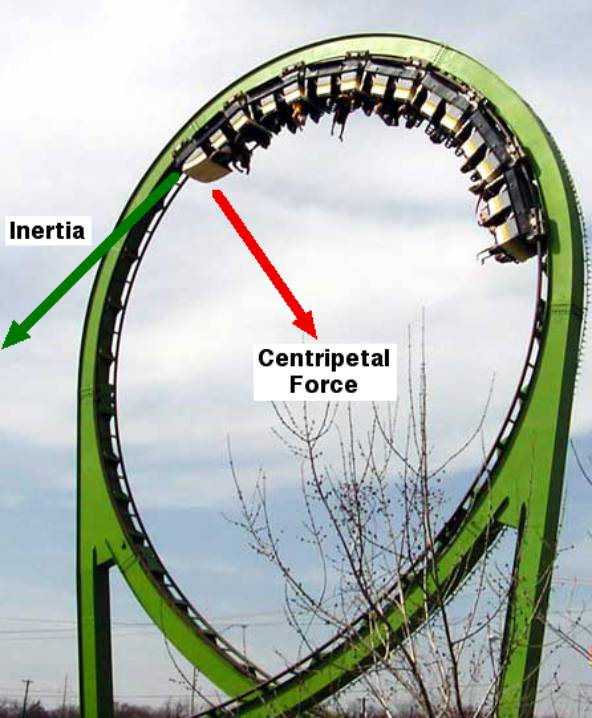
At Home
- This week look for the role of gravity in your life and remember Krishna with folded hands when you see it in action
- Sprinkle a few drops of Ganga water near your Alter, Sacred Places and on everyone in the family -- while doing remember that Ganga is sacred because she emanates from the lotus feet of Krishna
BG - 4
https://kksongs.org/songs/y/yasomatinandana.html
Last Sunday the third stanza was recited - you can continue with fourth one and all four together.
Bhagavad-gita Verse 15.13 continued
Recap last week's BG 15.13 nicely so that children recollect how GRAVITY makes life possible.
"OK children - tell me one thing that we cannot do in life if GRAVITY were not there". Give a chance to everyone.
- Buildings have water tanks on tap - water flows down - even without electricity we get water in kitchen and bathrooms. Think about it. Gravity helps water come down.
- ?
- ?
Now in today's session we continue 15.13 by focusing on how KRISHNA through MOON nourishes vegetable and makes food available to all living entities.
BG 15.13
गामाविश्य च भूतानि धारयाम्यहमोजसा ।
पुष्णामि चौषधी: सर्वा: सोमो भूत्वा रसात्मक: ॥ १३ ॥
gām āviśya ca bhūtāni
dhārayāmy aham ojasā
puṣṇāmi cauṣadhīḥ sarvāḥ
somo bhūtvā rasātmakaḥ
I enter into each planet, and by My energy they stay in orbit. I become the moon and thereby supply the juice of life to all vegetables.
What happens if there is no FOOD?
IF there is a TV in the classs then please one or two of these videos to DRIVE home the importance of FOOD before we begin. If there is no TV then you can consider sending these links to Parents on WhatsApp one day before and ask Parents to show their children.
- https://www.youtube.com/shorts/WuPRxyoCuJY
- https://www.youtube.com/shorts/0lAfCp7_LEo
- https://www.youtube.com/shorts/M5R43V0eTW0
- https://www.youtube.com/shorts/IPwonPfM8Ok
- https://www.youtube.com/shorts/RjR35BhrzD4
The MIRACLE journey of ONE grain RICE
1. The Farmer Begins — But He Cannot Start Life
A farmer takes one dry grain of paddy.
It looks dead. It has no movement. No life.
But inside that tiny grain is an entire plant waiting to wake up.
Who packed life inside it?
(Not the farmer. Not the scientist. Life spark = Krishna’s gift.)
✨ “bījaṁ māṁ sarva-bhūtānām” – I am the seed of all existences.
2. Soil Must Accept the Seed — The Earth Responds
The farmer places the seed in soil.
But soil is not just mud—it has millions of nutrients, bacteria, and minerals.
They silently activate the seed.
If the soil had slightly wrong pH → seed dies.
If the soil lacks nitrogen/phosphorus → no sprout.
If soil organisms don’t wake up → seed rots.
Who maintains this perfect chemistry?
🌏 Krishna as Earth (bhūmi-r āpo ’nalo vāyuḥ).
3. Rain Must Come on Time — Not Too Much, Not Too Little
Rice needs monsoon rain at the precise moment to soften the seed and start germination.
If rain comes:
-
too early → seed floods
-
too late → seed dries
-
too much → crop rots
-
too little → crop dies
Who controls clouds?
☁️ Indra works under Krishna’s order.
Rainwater = Krishna’s mercy.
✨ “I am the giver of rain.” (BG 9.19)
4. Sunshine — The Energy Engine
To grow, the baby rice plant needs sunlight to convert water + CO₂ into food through photosynthesis.
Science says:
“Sunlight + chlorophyll = glucose.”
But who designed this chemical miracle?
☀️ Krishna says:
“I am the light of the sun.” (BG 7.8)
Without sunlight → plant is blind, weak, collapses.
5. Moonshine — The Secret Ingredient
This is the verse you want to highlight.
Rice doesn’t grow by sunlight alone.
It needs the cooling, nourishing effect of moonlight.
🌕 Moonbeams influence:
-
movement of sap in the plant
-
sweetness and juiciness of grains
-
timing of flowering
-
night-time hydration
-
internal cycles of plant growth
Modern botanists have rediscovered that moonlight increases nutrient absorption.
Krishna says exactly this:
✨ “somo bhūtvā rasātmakaḥ — becoming the moon, I nourish all plants.”
This is your punchline.
6. Air (Vāyu) — The Constant Helper
Plants breathe too.
They take in:
-
CO₂ for growth
-
N₂ through bacteria for protein
-
O₂ for night respiration
The wind carries pollen, spreads life, protects plant temperature.
Who controls the wind?
🌬️ Krishna: “I am the air.”
7. Time — The Silent Manager
The plant must grow with precise timing:
-
10 days → sprout
-
1 month → tillering
-
3 months → panicles
-
4–5 months → grain formation
-
6 months → harvest
If the seasons shift → entire crop fails.
Who sets the clock of seasons?
🕰️ Krishna: “kālo ’smi” – I am time.
8. The Farmer Harvests — But He Still Has No Control
Even at harvest:
-
One cyclone → all finished
-
One pest attack → field destroyed
-
Slight humidity → fungi ruin the grain
-
One hailstorm → grains lost
Who protects the plant till the last moment?
Krishna.
9. Finally: ONE GRAIN
When you hold one single grain of rice in your hand, understand:
This tiny grain required:
-
Earth
-
Soil organisms
-
Minerals
-
Water cycle
-
Rivers
-
Clouds
-
Sun
-
Moon
-
Seasons
-
Air
-
Time
-
Life soul within seed
-
Protection from disasters
Not a single one is in human control.
Every single component is Krishna’s energy in action.
🌕 THE MAIN CRUX
To produce ONE grain of rice, Krishna must coordinate more than 20 miracles — rain, sun, moon, soil, air, time, life-energy. No human can produce even one grain. That is “pushṇāmi cauṣadhīḥ sarvāḥ – soma bhūtvā rasātmakaḥ.”
Krishna nourishes every bite of food we eat.
Three suggested activities below - pick one or two or all - your call.
Activity #1 : The Secret Rice Seed Lab
Theme: “How Krishna wakes up a dead-looking seed.”
✔️ What Happens
Kids see:
A dry, “dead” seed → becomes swollen → begins to wake up.
This creates instant wonder.
✔️ Materials Needed
From home (parents will send):
-
A small handful of unpolished rice/paddy or any sprouting bean
-
Small transparent cup or water bottle cut in half
-
A piece of cotton or tissue
From teacher:
-
Few drops of water
-
A flashlight (for sunlight/moonlight demonstration)
✔️ Steps
-
Show the seed and ask:
“Does it look alive or dead?” -
Build the “mini-lab”: put cotton → seeds → sprinkle water.
-
Shine flashlight and say:
“This is Krishna’s sunlight.” -
Dim the light and say:
“This is Krishna’s moonlight nourishing plants.” -
Let kids observe the seed swelling and absorbing water.
-
Conclude:
“Even scientists cannot create life in a seed.
Krishna wakes it up.”
Message to Parents one day before class
Hare Krishna dear parents! 🌱
For this Sunday’s BPSS activity “The Secret Rice Seed Lab”, please send:• A small handful of unpolished rice/paddy (or any sprouting bean)
• A transparent cup/bottle
• A small piece of cotton or tissueThis will help your child see how Krishna brings a tiny seed to life.
Thank you! 🌾🙏
Activity #2 : Krishna’s Ingredient Treasure Hunt
Theme: “Every grain of rice needs Krishna’s Sun, Moon, Rain, Earth.”
✔️ What Happens
Kids run around searching for cards (Sun, Moon, Rain, Earth).
Each card reveals how Krishna controls that element and helps rice grow.
✔️ Materials Needed
From home:
Nothing. All materials provided by teacher.
From teacher:
-
4 cards: SUN ☀️, MOON 🌙, RAIN ☔, EARTH 🌱
-
1 card: RICE GRAIN
-
Scotch tape to hide cards around the room
✔️ Steps
-
Tell kids:
“Krishna has hidden the ingredients to make 1 grain of rice.
Go find them!” -
Kids search for the 4 element cards.
-
Each time they bring a card, you give a 10-second Krishna explanation.
-
When all 4 are found, reveal the final RICE card.
-
Kids shout: “Krishna makes the rice grow!”
Activity #3 : Build-Your-Own Rice Plant Craft
Theme: “How Krishna combines soil + water + sun + moon to form a rice plant.”
This is a very cute craft children will love to take home.
✔️ What Happens
Kids build a rice plant using simple craft items and label each part as Krishna’s gift.
✔️ Materials Needed
From home (parents will send):
-
1 glue stick
-
1 pair of child-friendly scissors
-
1 pencil
-
Some green paper (or even regular white paper that we can color)
From teacher:
-
Pre-cut brown strip (soil)
-
Pre-cut rice plant stems
-
A “sun”, “moon”, and “raindrop” sticker or cutout
-
A printed label: “Krishna grows my food!”
✔️ Steps
-
Children glue the brown soil strip at the bottom of the page.
-
They stick the rice stems growing out of the soil.
-
They add:
-
☀️ sun cutout → “Krishna’s sunlight”
-
🌙 moon cutout → “Krishna nourishes at night”
-
☔ raindrop → “Krishna sends rain”
-
-
Finally they add a small rice grain drawing at the top.
-
Finished craft: a complete rice plant with every element credited to Krishna.
Hare Krishna dear parents! 🌾
This Sunday we have a special BPSS craft:
“Build-Your-Own Rice Plant.”Please send these simple items with your child:
• Glue stick
• Child-safe scissors
• Pencil
• Small green paper (or white paper is fine)All other materials will be provided by us.
Thank you! 🙏🌱
Two stories below - pick one or both. Both are connected to the class.
Story - Lord Chaitanya and his Mango tree
This is a beautiful pastime from Lord Chaitanya's life. The stress here can be how the Lord is able to grow a mango tree in minutes because controls the growth and nourishing process - he just pressed the acceletator, that's all :-)
Story - Akshaya Patra
- https://jayarama.wordpress.com/2010/07/18/pandavas-receive-the-gift-of-akshaya-patra/
- https://iskconeducation.org/media_library_old/Akshaya20Patra20Mahabharata20-20from20Wonderful20Krishna20activity20book20by20BACE.pdf
The emphasis here is that how can ready to eat food keep growing out of a bowl in large quantities? It is only because of KRISHNA who controls the production process and nourishing process. He own and controls the process, so he can expedite it as well as her his desire.
In the Akshaya Patra pastime we can also emphasize two nice points - a) When Krishna is satisfied then the whole Universe is satisfied (Yasmin tushta, Jagat Tushta) and b) Krishna protects his devotees in all circumstances. We can briefly tell these points - our FOCUS should be on the Akshya Patra bowl itself.
Conclude class with a recap of everything we discussed
KK - 4
https://kksongs.org/songs/y/yasomatinandana.html
Let one student lead and others can follow, we can now train students in singing Kirtan slowly.
Bhagavad-gita Verse 15.13 continued
Recap last week's BG 15.13 nicely so that children recollect how GRAVITY makes life possible.
"OK children - tell me one thing that we cannot do in life if GRAVITY were not there". Give a chance to everyone.
- Buildings have water tanks on tap - water flows down - even without electricity we get water in kitchen and bathrooms. Think about it. Gravity helps water come down.
- ?
- ?
Now in today's session we continue 15.13 by focusing on how KRISHNA through MOON nourishes vegetable and makes food available to all living entities.
BG 15.13
गामाविश्य च भूतानि धारयाम्यहमोजसा ।
पुष्णामि चौषधी: सर्वा: सोमो भूत्वा रसात्मक: ॥ १३ ॥
gām āviśya ca bhūtāni
dhārayāmy aham ojasā
puṣṇāmi cauṣadhīḥ sarvāḥ
somo bhūtvā rasātmakaḥ
I enter into each planet, and by My energy they stay in orbit. I become the moon and thereby supply the juice of life to all vegetables.
What happens if there is no FOOD?
IF there is a TV in the classs then please one or two of these videos to DRIVE home the importance of FOOD before we begin. If there is no TV then you can consider sending these links to Parents on WhatsApp one day before and ask Parents to show their children.
- https://www.youtube.com/shorts/WuPRxyoCuJY
- https://www.youtube.com/shorts/0lAfCp7_LEo
- https://www.youtube.com/shorts/M5R43V0eTW0
- https://www.youtube.com/shorts/IPwonPfM8Ok
- https://www.youtube.com/shorts/RjR35BhrzD4
The MIRACLE journey of ONE grain RICE
1. The Farmer Begins — But He Cannot Start Life
A farmer takes one dry grain of paddy.
It looks dead. It has no movement. No life.
But inside that tiny grain is an entire plant waiting to wake up.
Who packed life inside it?
(Not the farmer. Not the scientist. Life spark = Krishna’s gift.)
✨ “bījaṁ māṁ sarva-bhūtānām” – I am the seed of all existences.
2. Soil Must Accept the Seed — The Earth Responds
The farmer places the seed in soil.
But soil is not just mud—it has millions of nutrients, bacteria, and minerals.
They silently activate the seed.
If the soil had slightly wrong pH → seed dies.
If the soil lacks nitrogen/phosphorus → no sprout.
If soil organisms don’t wake up → seed rots.
Who maintains this perfect chemistry?
🌏 Krishna as Earth (bhūmi-r āpo ’nalo vāyuḥ).
3. Rain Must Come on Time — Not Too Much, Not Too Little
Rice needs monsoon rain at the precise moment to soften the seed and start germination.
If rain comes:
-
too early → seed floods
-
too late → seed dries
-
too much → crop rots
-
too little → crop dies
Who controls clouds?
☁️ Indra works under Krishna’s order.
Rainwater = Krishna’s mercy.
✨ “I am the giver of rain.” (BG 9.19)
4. Sunshine — The Energy Engine
To grow, the baby rice plant needs sunlight to convert water + CO₂ into food through photosynthesis.
Science says:
“Sunlight + chlorophyll = glucose.”
But who designed this chemical miracle?
☀️ Krishna says:
“I am the light of the sun.” (BG 7.8)
Without sunlight → plant is blind, weak, collapses.
5. Moonshine — The Secret Ingredient
This is the verse you want to highlight.
Rice doesn’t grow by sunlight alone.
It needs the cooling, nourishing effect of moonlight.
🌕 Moonbeams influence:
-
movement of sap in the plant
-
sweetness and juiciness of grains
-
timing of flowering
-
night-time hydration
-
internal cycles of plant growth
Modern botanists have rediscovered that moonlight increases nutrient absorption.
Krishna says exactly this:
✨ “somo bhūtvā rasātmakaḥ — becoming the moon, I nourish all plants.”
This is your punchline.
6. Air (Vāyu) — The Constant Helper
Plants breathe too.
They take in:
-
CO₂ for growth
-
N₂ through bacteria for protein
-
O₂ for night respiration
The wind carries pollen, spreads life, protects plant temperature.
Who controls the wind?
🌬️ Krishna: “I am the air.”
7. Time — The Silent Manager
The plant must grow with precise timing:
-
10 days → sprout
-
1 month → tillering
-
3 months → panicles
-
4–5 months → grain formation
-
6 months → harvest
If the seasons shift → entire crop fails.
Who sets the clock of seasons?
🕰️ Krishna: “kālo ’smi” – I am time.
8. The Farmer Harvests — But He Still Has No Control
Even at harvest:
-
One cyclone → all finished
-
One pest attack → field destroyed
-
Slight humidity → fungi ruin the grain
-
One hailstorm → grains lost
Who protects the plant till the last moment?
Krishna.
9. Finally: ONE GRAIN
When you hold one single grain of rice in your hand, understand:
This tiny grain required:
-
Earth
-
Soil organisms
-
Minerals
-
Water cycle
-
Rivers
-
Clouds
-
Sun
-
Moon
-
Seasons
-
Air
-
Time
-
Life soul within seed
-
Protection from disasters
Not a single one is in human control.
Every single component is Krishna’s energy in action.
🌕 THE MAIN CRUX
To produce ONE grain of rice, Krishna must coordinate more than 20 miracles — rain, sun, moon, soil, air, time, life-energy. No human can produce even one grain. That is “pushṇāmi cauṣadhīḥ sarvāḥ – soma bhūtvā rasātmakaḥ.”
Krishna nourishes every bite of food we eat.
Three suggested activities below - pick one or two or all - your call.
How ONE grain of rice requires Krishna’s full ecosystem.
🔥 SECTION 1 — ICEBREAKER
Activity: “THE 60-SECOND CHALLENGE”
Ask students:
“In 60 seconds, list everything needed to produce one grain of rice.”
Give them paper or board space.
Expected answers:
Seed, soil, water, sunlight, farmer, fertilizer, rain, etc.
Missing answers you highlight later: Moonlight, pranas, microbes, time, wind, gravity, carbon dioxide, nitrogen cycle.
This creates curiosity and reveals their knowledge gaps.
🔬 SECTION 2 — SCIENCE + SCRIPTURE CONNECTION
Present four scientific facts that blow their mind:
1. Moonlight increases plant sap flow
Botany research shows that plants absorb more nutrients on full-moon nights.
Krishna says EXACTLY this:
“somo bhūtvā rasātmakaḥ – I nourish plants as the moon.”
2. Rice has 40,000 varieties – none invented by humans
Humans only discover and crossbreed.
Life codes are Krishna’s creation.
3. Photosynthesis is mathematically perfect
Every photon of sunlight is converted into sugar with microscopic precision.
Who maintains this?
Krishna: “I am the light of the sun.”
4. Rain cycle requires 100% fine-tuning
Temperature, wind, evaporation, cloud movement, geography—
all must match or crops fail.
Krishna:
“I am the giver of rain.” (BG 9.19)
POINT:
Science explains the mechanism. Krishna provides the mechanism.
Poster competition (optional) - Use the above POINT and create a poster and bring next week. Winner will get a nice prize.
🧠 SECTION 3 — SENIOR DEBATE
Divide into two groups.
DEBATE TOPIC:
“Can humans produce even ONE grain of rice independently?”
Team A: “YES, humans can!”
They may argue:
-
We have labs
-
We can do hydroponics
-
We can modify genetics
-
We can control irrigation
Team B: “NO, only Krishna’s system can.”
Arguments:
-
No one can create life in a seed
-
No one can manufacture sunlight or moonlight
-
No one can produce rain clouds
-
No one can design the ecosystem
-
Genetic code is not human-made
-
Even hydroponics uses Krishna’s elements (light, water, minerals)
Teacher’s Summary:
Humans rearrange Krishna’s energy. They cannot create the ingredients.
Hare Krishna dear parents 🌾
In our upcoming BPSS Senior session, students will present short points on how climate affects food production.
Please encourage your child to read about ONE of the following:
1. 1966 Bihar Famine
2. 2023–24 El Niño rice crisis
3. Continuous crop failures in Maharashtra due to unseasonal rainsKindly ask them to prepare 3 points to share in class.
Thank you 🙏
🌍 SECTION 4 — REAL-LIFE CASE STUDIES
Show seniors how food growth depends on Krishna, not humans.
Case Study 1 — 1966 Bihar Famine (India)
No monsoon → no rice.
Huge food shortage.
No technology could produce rain.
Lesson:
If Krishna switches off one button (rain), the entire food chain collapses.
Case Study 2 — 2023–2024 El Niño Global Food Crisis
Countries like Thailand, Indonesia, and Vietnam cut rice exports.
Because of monsoon failure, not human failure.
Lesson:
Climate → controlled by Krishna’s laws.
Case Study 3 — Farmers in Maharashtra
Every year crops fail:
-
Too much rain
-
Too little rain
-
Unseasonal rains
-
Heat waves
Question seniors:
“Do you think a farmer feels in control?”
They will say NO.
Point:
We depend on Krishna far more than we admit.
🎤 SECTION 5 — DEEP DISCUSSION
Here are 5 powerful thought-provoking questions seniors will enjoy.
1. Do we thank the farmer more or Krishna more?
Expected Insight:
Both are needed, but farmer is dependent on Krishna’s ecosystem.
2. If you lose electricity for one hour, you panic.
If Krishna stops the sun for one hour, what happens?**
Expected Insight:
Total collapse. Sun is Krishna’s energy.
3. Humans control WiFi, but who controls rainfall?
Expected Insight:
This brings humility.
We control gadgets, not nature.
🙏 SECTION 6 — SENIOR REFLECTION ACTIVITY
The “ONE-GRAIN MEDITATION”
Give each student one grain of rice in their hand.
Ask them to reflect silently for 30 seconds:
-
“This came from seed.”
-
“Seed came from a plant.”
-
“Plant came from Krishna’s moon, sun, rain, soil.”
-
“Millions of living beings worked for this grain.”
-
“Krishna arranged all of it for me.”
Then say:
“Do you still think a grain of rice is small?”
Let them answer.
This becomes powerful. Many students feel emotional.
🌕 MAIN TAKEAWAY
One grain of rice = Krishna’s entire ecosystem at work.
Humans cannot create even a single seed of life.
That is the meaning of pushṇāmi cauṣadhīḥ sarvāḥ – I nourish all plants.”
Activity #1 : The Secret Rice Seed Lab
Theme: “How Krishna wakes up a dead-looking seed.”
✔️ What Happens
Kids see:
A dry, “dead” seed → becomes swollen → begins to wake up.
This creates instant wonder.
✔️ Materials Needed
From home (parents will send):
-
A small handful of unpolished rice/paddy or any sprouting bean
-
Small transparent cup or water bottle cut in half
-
A piece of cotton or tissue
From teacher:
-
Few drops of water
-
A flashlight (for sunlight/moonlight demonstration)
✔️ Steps
-
Show the seed and ask:
“Does it look alive or dead?” -
Build the “mini-lab”: put cotton → seeds → sprinkle water.
-
Shine flashlight and say:
“This is Krishna’s sunlight.” -
Dim the light and say:
“This is Krishna’s moonlight nourishing plants.” -
Let kids observe the seed swelling and absorbing water.
-
Conclude:
“Even scientists cannot create life in a seed.
Krishna wakes it up.”
Message to Parents one day before class
Hare Krishna dear parents! 🌱
For this Sunday’s BPSS activity “The Secret Rice Seed Lab”, please send:• A small handful of unpolished rice/paddy (or any sprouting bean)
• A transparent cup/bottle
• A small piece of cotton or tissueThis will help your child see how Krishna brings a tiny seed to life.
Thank you! 🌾🙏
Activity #2 : Krishna’s Ingredient Treasure Hunt
Theme: “Every grain of rice needs Krishna’s Sun, Moon, Rain, Earth.”
✔️ What Happens
Kids run around searching for cards (Sun, Moon, Rain, Earth).
Each card reveals how Krishna controls that element and helps rice grow.
✔️ Materials Needed
From home:
Nothing. All materials provided by teacher.
From teacher:
-
4 cards: SUN ☀️, MOON 🌙, RAIN ☔, EARTH 🌱
-
1 card: RICE GRAIN
-
Scotch tape to hide cards around the room
✔️ Steps
-
Tell kids:
“Krishna has hidden the ingredients to make 1 grain of rice.
Go find them!” -
Kids search for the 4 element cards.
-
Each time they bring a card, you give a 10-second Krishna explanation.
-
When all 4 are found, reveal the final RICE card.
-
Kids shout: “Krishna makes the rice grow!”
Activity #3 : Build-Your-Own Rice Plant Craft
Theme: “How Krishna combines soil + water + sun + moon to form a rice plant.”
This is a very cute craft children will love to take home.
✔️ What Happens
Kids build a rice plant using simple craft items and label each part as Krishna’s gift.
✔️ Materials Needed
From home (parents will send):
-
1 glue stick
-
1 pair of child-friendly scissors
-
1 pencil
-
Some green paper (or even regular white paper that we can color)
From teacher:
-
Pre-cut brown strip (soil)
-
Pre-cut rice plant stems
-
A “sun”, “moon”, and “raindrop” sticker or cutout
-
A printed label: “Krishna grows my food!”
✔️ Steps
-
Children glue the brown soil strip at the bottom of the page.
-
They stick the rice stems growing out of the soil.
-
They add:
-
☀️ sun cutout → “Krishna’s sunlight”
-
🌙 moon cutout → “Krishna nourishes at night”
-
☔ raindrop → “Krishna sends rain”
-
-
Finally they add a small rice grain drawing at the top.
-
Finished craft: a complete rice plant with every element credited to Krishna.
Hare Krishna dear parents! 🌾
This Sunday we have a special BPSS craft:
“Build-Your-Own Rice Plant.”Please send these simple items with your child:
• Glue stick
• Child-safe scissors
• Pencil
• Small green paper (or white paper is fine)All other materials will be provided by us.
Thank you! 🙏🌱
Two stories below - pick one or both. Both are connected to the class.
Story - Lord Chaitanya and his Mango tree
This is a beautiful pastime from Lord Chaitanya's life. The stress here can be how the Lord is able to grow a mango tree in minutes because controls the growth and nourishing process - he just pressed the acceletator, that's all :-)
Story - Akshaya Patra
- https://jayarama.wordpress.com/2010/07/18/pandavas-receive-the-gift-of-akshaya-patra/
- https://iskconeducation.org/media_library_old/Akshaya20Patra20Mahabharata20-20from20Wonderful20Krishna20activity20book20by20BACE.pdf
The emphasis here is that how can ready to eat food keep growing out of a bowl in large quantities? It is only because of KRISHNA who controls the production process and nourishing process. He own and controls the process, so he can expedite it as well as her his desire.
In the Akshaya Patra pastime we can also emphasize two nice points - a) When Krishna is satisfied then the whole Universe is satisfied (Yasmin tushta, Jagat Tushta) and b) Krishna protects his devotees in all circumstances. We can briefly tell these points - our FOCUS should be on the Akshya Patra bowl itself.
Conclude class with a recap of everything we discussed
BG - 5
KRISHNA PUTS RASA IN FOOD
Theme: Krishna makes food yummy because He loves us!
Recap (5 mins) :
- We discussed the Journey of single grain of rice last Sunday
- Ask if anyone remembers any points from that class
- Reinforce that KRISHNA has to make so many arrangements to produce a single grain of rice
Today's class (2 min):
- Energetic welcome: "Haribol! Who had breakfast today? Did it taste good? Today we're going to learn a SECRET about why food tastes yummy!"
- Quick setting of expectations: "We're going to sing, hear a story, do a fun taste test, and make something to take home!"
Are you ready!
- https://kksongs.org/songs/a/adharammadhuram.html
- https://www.youtube.com/watch?v=IVvmYVoyiwg (HH Bhakti Charu Swami Maharaj singing)
- Teach the simple refrain first: "Adharam madhuram, vadanam madhuram..."
- Explain simply: "This song says everything about Krishna is sweet and beautiful. Krishna loves sweetness!"
- Sing together 2-3 times
- Add simple hand movements:
- "Adharam madhuram" - touch lips (sweet speech)
- "Vadanam madhuram" - circle face (sweet face)
- "Madhuradhipater" - hands in namaste to sky (the sweet Lord)
Bhagavad-gita verse
BG 15.13
गामाविश्य च भूतानि धारयाम्यहमोजसा ।
पुष्णामि चौषधी: सर्वा: सोमो भूत्वा रसात्मक: ॥ १३ ॥
gām āviśya ca bhūtāni
dhārayāmy aham ojasā
puṣṇāmi cauṣadhīḥ sarvāḥ
somo bhūtvā rasātmakaḥ
I enter into each planet, and by My energy they stay in orbit. I become the moon and thereby supply the juice of life to all vegetables.
Katha : KRISHNA eating Banana Peels
Leaving Kuntī’s quarters, Kṛṣṇa returned to Duryodhana’s palace. Without hindrance He passed through the heavily guarded gateways and came to the vast palace occupied by the Kaurava prince. It was comparable to Indra’s abode, appearing like a mass of clouds and as high as a mountain.
The white marble building was decked with countless precious gems and gold engravings. Kṛṣṇa entered and went along the wide corridors, which were decorated with golden images of the gods. He passed through three large divisions of the palace, each designed and decorated in a different mood, and at last reached the central hall.
There He found Duryodhana seated amid a thousand kings and warriors. Next to him were Śakuni, Karṇa and Duḥśāsana. They all rose to greet Kṛṣṇa as He entered the hall.
Duryodhana came down from his elevated seat and welcomed Kṛṣṇa warmly. He showed Him to a large throne covered with an exquisite silk carpet and soft white cushions. When Kṛṣṇa was seated, he personally worshipped Him and offered Him the traditional gift of a cow. His brothers also came and worshipped Kṛṣṇa, along with the other kings.
When the rites were complete, Duryodhana folded his palms and said,
“We are honored, O Govinda. What can we do for You? You may consider this wide kingdom and all our wealth Yours. Please be gracious and accept an invitation to dine with us. We have prepared Duḥśāsana’s palace for Your residence, which is superior even to my own.”
“I will not eat with you, O hero, nor shall I stay in Duḥśāsana’s palace.”
Duryodhana smiled and spoke with forced humility. “Why do You refuse our invitation, O Janārdana? Are we not as dear to You as the Pāṇḍavas? Surely You see both parties equally. Your relationship with Dhṛtarāṣṭra is as close as Your relationship with the Pāṇḍavas. O Mādhava, please tell me why You will not accept our hospitality.”
“Only those messengers who have gained their objectives should accept the hospitality offered by those who have received his message.” He raised His long arm and held out His palm toward Duryodhana.“After you have fulfilled My wish, you may entertain both Myself and My followers.”
Struggling to control his anger, Duryodhana replied,
“It is not befitting that You treat us so, O Madhusūdana. Whether Your objects are achieved or not, we are bent upon pleasing You with our hospitality. You have denied us that opportunity with no good reason, O best of men. We feel no enmity toward You and therefore cannot understand why You snub us in this way.”
Kṛṣṇa was grave.
“I never abandon virtue from motives of desire, anger, hate or attachment. One should eat another’s food if there is love between them or if he is in distress. O King, you do not please Me and I am not in distress.
For no reason you have borne malice toward the Pāṇḍavas from their childhood. Your cousins are virtuous and devoted to the good of all beings. Whoever bears malice for such blameless men bears malice toward Me. He who follows the virtuous follows Me. Know that I am merged in the Pāṇḍavas and cannot be separated from them.”
Kṛṣṇa looked intently, but without anger, at Duryodhana, who frowned.
“O Bharata, whoever becomes antagonistic toward a virtuous man, impelled by lust or anger, should be known as the vilest of men. He does not keep his prosperity for long. On the other hand, he who wins over virtuous men with services and kind words, even though they may not be dear to him, gains great renown in the world.
Your food is defiled by wickedness. I will not eat it. I prefer instead to stay with Vidura and eat his food.”
Leaving Duryodhana fuming, Kṛṣṇa left the hall and returned to Vidura’s house. All the Kuru elders visited Him there. They each offered Him their own abodes, but Kṛṣṇa thanked them and replied, “I am honored by the offer, but I am content to stay with Vidura.”
Krishna goes to Vidura's home.
The Divine Athithi
Krishna, the Supreme Lord, who is also known as “Athithi” (a guest who arrives without prior notice), appeared at Vidura’s doorstep, fulfilling the deepest desire of Vidura’s wife, who had longed for His darshan. Overwhelmed with joy and devotion, Vidura’s wife prostrated at Krishna’s feet, her heart overflowing with love for the Lord.
The Offering of Banana Peels
Krishna entered the house, and Vidura’s wife, still lost in her devotion, followed Him. The Lord, seated comfortably, expressed that He was hungry. In her eagerness to serve, Vidura’s wife rushed to the kitchen but found that there was no food prepared. Spotting a bunch of bananas, she quickly brought them to Krishna.
In her deep state of devotion, she peeled the bananas but, in her trance-like state, offered the Lord the peels instead of the fruit. Krishna, who is moved only by the sincerity of devotion, happily accepted the peels and ate them, relishing each bite. She continued to feed Him peel after peel, and Krishna continued to accept them with great delight.
Vidura’s Reaction and Krishna’s Lesson
Meanwhile, Vidura received word that Krishna had arrived at his home. He rushed back, only to be shocked by the sight of his wife feeding Krishna banana peels. He quickly reprimanded her for her mistake, breaking her trance of devotion. Realizing what she had done, Vidura’s wife felt deeply embarrassed. She carefully peeled another banana, this time offering the fruit to Krishna.
Krishna accepted the fruit but expressed dissatisfaction. He explained to Vidura that the banana peels, offered with complete and undivided devotion, were far sweeter to Him than the fruit offered with distracted attention.
The Essence of Devotion
Through this divine interaction, Krishna revealed a profound truth: the Lord does not seek material offerings; He seeks the love and devotion with which they are given. As stated in the Bhagavad Gita (Chapter 9, Verse 26), “Whatever is offered to Me, whether it is a leaf, flower, fruit, or a drop of water, if it is offered with devotion, I accept it totally.” It is the love and sincerity behind the offering that matters most to the Lord.
Conclusion: The Lord Seeks Pure Love
Vidura and his wife learned that the true essence of service to the Lord lies in the purity of the heart and the sincerity of the offering. Krishna, who is the embodiment of love, values the devotion and intent behind an offering more than the offering itself. This story serves as a reminder that in our relationship with the Divine, what matters most is not what we give, but how we give it—with love, devotion, and undivided attention.
Peel one banana. Pass around the peel and ask everyone to try and eat a bit of it. It is tasteless, yet the Lord ate it.
TEACHING SECTION (10 minutes)
Materials to be arranged by Teacher
- Take some cardboard and make small pieces with it. Whole idea is to ask the children to eat their fruit ALONG with the cardboard. They will not actually do it (teacher should ensure). So you need enough small pieces to give every child
- Jaggery, Salt, Lemon, Karela, Tomatoes
The "What If" Exercise (5 mins)
Before class send below message to Parents.
Dear Parents, Hare Krishna!
For this Sunday’s BPSS class, we will be doing a small hands-on activity connected to Krishna’s kindness in giving us tasty and varied foods. Kindly send the following with your child:1️⃣ One washed, ready-to-eat fruit that your child likes (it can also be a small slice).
2️⃣ A paper plate
3️⃣ Markers or crayons
4️⃣ A glue stick
5️⃣ A few pre-cut food pictures (from magazines, brochures, or printed images—anything simple is fine)This activity will help children appreciate how lovingly Krishna provides taste (rasa) and so much delicious variety in nature.
Thank you for your support! 🙏💛
All children will come with some fruit. Ask them to take it out. Give them one cardboard piece each. Now ask them to eat the fruit along with the cardboard.
They will not.
So children - now close your eyes and imagine you're eating your FAVORITE fruit along with the card board piece. Imagine taking a big bite...
But wait... it tastes like NOTHING! No sweet, no salty, no yummy - just like eating paper!
Open your eyes! Would that be fun? [Let them respond: 'Nooo!']
That would be so sad, right? We would only eat because we HAVE to, not because we WANT to.
But Krishna didn't make food boring! He made it DELICIOUS! Why? Because He LOVES us and wants us to be HAPPY!"
Take time to stress this point - KRISHNA could have made the fruits tasteless and boring - apples could have tasted like cardboard or stone. How many of us would like to eat that? But Krishna wants us to be happy - so he fills every fruit with delicious taste. Let this point sink in - do not rush. Recap and discuss if required.
Show & Tell - Taste Buds (3 min)
https://my.clevelandclinic.org/health/body/24684-taste-buds
Teachers should read this article and bring a print out of the photo in the page. Alternately show the photo on a TV if you have one in the classroom.
- Children - "See your tongue? It looks smooth, right? But actually, it has THOUSANDS of tiny little helpers called taste buds! [Point to picture]
- These tiny taste buds are like little doors. When food touches them, they send a message to your brain: 'This is SWEET!' or 'This is SALTY!' or 'This is SOUR!'
- Who put these taste buds on your tongue? KRISHNA!
- Krishna could have made tongues with NO taste buds. Then we couldn't taste anything. But He gave us taste buds so we can enjoy yummy food!
- Krishna is so smart and so kind!
- There are many additional points about taste buds in the article - tell some of them.
Summary (3 min):
So remember:
- Krishna made ALL food - mangoes, rice, dal, vegetables, everything!
- Krishna didn't just make food to fill our tummies - He made it TASTY!
- Every yummy bite is a gift from Krishna!
- When we eat yummy food, we should say 'Thank you Krishna!'
Let's all say together: 'Thank you Krishna for yummy food!' [Repeat together 2-3 times]"
INTERACTIVE TASTE TEST GAME (8 minutes)
The Five Tastes Adventure!
Setup: Prepare 5 small samples (use small cups or spoons):
- Sweet - small piece of jaggery or date
- Salty - tiny pinch of salt or salted biscuit
- Sour - tiny piece of lemon (seedless)
- Bitter - tiny piece of karela (bitter gourd) raw
- Savory/Umami - small piece of tomato
Activity Flow:
"Now we're going to be TASTE DETECTIVES! Krishna made FIVE different tastes. Can you guess them all?"
Round 1 - Sweet (2 min):
- Give each child small piece of jaggery/date
- "Taste this... what is it? SWEET! Where do you feel it on your tongue? Do you like it?"
- "Krishna made sweet taste! Fruits are sweet, jaggery is sweet! Who made it sweet? KRISHNA!"
- Have them say: "Thank you Krishna for SWEET!"
Round 2 - Salty (1 min):
- Tiny pinch of salt
- "This is SALTY! Dal has salt, chips have salt!"
- "Thank you Krishna for SALTY!"
Round 3 - Sour (1 min):
- Lemon piece (watch their faces - this is fun!)
- "Ooh! This is SOUR! Your face made a funny expression! That's okay - sour is also yummy! Lemon rice, tamarind, amla!"
- "Thank you Krishna for SOUR!"
Round 4 - Bitter (1 min):
- Bitter gourd or dark chocolate
- "This is BITTER! Some people don't like bitter, but it's healthy! Karela, neem, medicines!"
- "Even bitter is Krishna's gift! Thank you Krishna for BITTER!"
Round 5 - Savory (1 min):
- Tomato piece
- "This is SAVORY! It's like yummy and rich! Tomato, dal, subji!"
- "Thank you Krishna for SAVORY!"
Wrap-up (2 min): "WOW! Krishna didn't just make ONE taste - He made FIVE! And we can feel ALL of them because of our taste buds!
Krishna is so creative! He's like an artist who uses all the colors!
Now you know - every time you taste something yummy, remember: KRISHNA made it taste that way!"
5. CRAFT ACTIVITY (12 minutes)
MY THANK YOU KRISHNA PLATE
Materials needed (prepare beforehand):
- Paper plates (one per child)
- Markers/crayons/colored pencils
- Pre-cut pictures of foods from magazines OR printed food images
- Glue sticks
- Stickers (star stickers, smiley faces, colorful dots)
- One sample completed plate to show them
Instructions (step-by-step):
Step 1 (1 min) - Show sample: "We're going to make a special 'Thank You Krishna' plate! Look at this one I made. It has my favorite foods and it says 'Thank you Krishna for yummy food!'"
Step 2 (2 min) - Decorate the rim: "First, decorate the edge of your plate with colors or stickers. Make it beautiful! Use your favorite colors!" [Walk around helping as needed]
Step 3 (4 min) - Add favorite foods: "Now, in the middle of the plate, you can either:
- DRAW your 3 favorite foods, OR
- PASTE pictures of foods from these magazines, OR
- Do both!"
[Have pre-cut food pictures ready: apples, rice, dal, chapati, ladoo, vegetables, fruits, etc.]
"Choose foods YOU really like! Foods that make you happy!"
Step 4 (3 min) - Write the message: "Now, on the top or bottom of your plate, write (or I'll help you write): 'THANK YOU KRISHNA FOR YUMMY FOOD!'
Or if you want to write your own message to Krishna, you can!"
[For younger kids who can't write, teachers/volunteers write it for them while they dictate]
Step 5 (2 min) - Final touches: "Add anything else you want - more colors, more stickers, draw Krishna, draw yourself eating - anything!"
Taking it home: "When you go home today, show this plate to your family! Tell them: 'Krishna makes all food yummy!'
You can keep this plate in your kitchen or dining room to remember to thank Krishna before every meal!"
GAME : TASTE BUD FREEZE DANCE
How to play:
-
Setup: Play music (kirtan or fun devotional song)
-
Dance: Kids dance freely
-
Freeze & Call: Stop the music suddenly and call out a taste:
- "SWEET!" - everyone makes a happy, smiling face
- "SOUR!" - everyone makes a puckered, sour face
- "BITTER!" - everyone makes a yucky face
- "SALTY!" - everyone licks their lips
- "SPICY!" - everyone fans their mouth like it's hot!
-
Krishna Call: Occasionally yell "KRISHNA!" - everyone puts hands in namaste and says "Thank you Krishna!"
-
Repeat: Start music again, repeat 4-5 rounds
Why this game works:
- Burns energy
- Reinforces the different tastes
- Associates Krishna with fun and gratitude
- Ends the session on a high-energy, joyful note
CLOSING (3 minutes)
Recap (1 min): "What did we learn today?
- Krishna makes food yummy! [Kids repeat]
- He gave us taste buds! [Kids repeat]
- We should say thank you Krishna! [Kids repeat]"
Challenge for the week (1 min): "This week, EVERY TIME you eat something yummy, say in your mind or out loud: 'Thank you Krishna!'
Can you do that? Even once a day?
Next week, come and tell me - did you remember to thank Krishna?"
MATERIALS CHECKLIST FOR TEACHERS
For Bhajan:
- Lyrics printed/projected
For Katha:
- None needed (just your enthusiasm!)
- One banana
For Teaching:
- Large picture/poster of tongue with taste buds (colorful, kid-friendly)
- Can laminate and reuse
For Taste Test:
- 5 taste samples (calculate quantity based on class size)
- Small cups or spoons
- Napkins
- Hand sanitizer (kids wash hands before tasting)
- Check for allergies beforehand!
For Craft (children will bring):
- Paper plates (1 per child + extras)
- Markers/crayons (multiple sets to share)
- Pre-cut food pictures from magazines
- Glue sticks (multiple)
- Stickers
- Sample completed plate
For Game:
- Music player
- Open space
TEACHER TIPS
-
Energy Management: Keep energy HIGH throughout. Kids respond to enthusiasm!
-
Timing Flexibility: If taste test takes longer (kids love it!), shorten craft time slightly. Prioritize experience over perfection.
-
Volunteer Help: Have at least 2-3 volunteers to help with:
- Distributing taste samples safely
- Helping kids who can't write
- Managing craft supplies
- Cleaning up
-
Safety First:
- Check allergies before taste test!
- Supervise lemon tasting (sour reaction can be strong)
- Hand hygiene before tasting
-
Inclusive Language: Some kids may have food restrictions (medical, family preferences). Say: "Krishna made all these tastes, and we can enjoy whichever ones our bodies can have!"
For Kishor Kishori
Scientific Deep Dive
- Neuroscience angle
- Explain taste receptors → electrical signals → brain interpretation → dopamine release
- Scientists explain the mechanism but not WHY pleasure exists
- The "hard problem of consciousness" - why does chemical reaction = subjective joy?
- Conclusion: Krishna designed subjective pleasure into the system
- Evolutionary paradox
- From pure survival standpoint, we only need to detect: poison vs. nutrition
- But we have incredibly sophisticated pleasure responses
- We can detect hundreds of flavor notes in single food
- Chocolate alone activates 300+ flavor compounds
- Why such complexity for simple survival? Because Krishna is an artist, not just engineer
- The miracle of flavor
- Natural strawberry flavor = 300+ chemical compounds working in harmony
- Artificial strawberry = maybe 10-15 compounds (tastes "off")
- Scientists STILL can't fully replicate nature
- Each fruit is a sophisticated design
- This isn't random evolution - it's intelligent aesthetics
Discussion/Debate
Discussion Prompts:
- Gratitude Challenge: "If food had no taste, would you still thank Krishna before eating? Be honest. What does this reveal about our consciousness?"
- Design Argument: "Some say taste evolved randomly for survival. But pleasure isn't necessary for survival - only detection of good/bad. How would you explain the EXPERIENCE of deliciousness to someone who says it's just chemistry?"
- Personal Reflection: "Think of a time when food brought you real joy - a festival, celebration, comfort food when sad. That emotion, that memory - could random evolution create that? Or does it point to a personal God who understands joy?"
- Philosophy Question: "Krishna could have made us like robots - we just refuel, no feelings about it. Why do you think He made eating pleasurable? What does this tell us about His personality?"
Debate Topic (if your group likes debate): "Resolved: The existence of taste pleasure proves God's existence better than any philosophical argument."
- Pro side: Taste is unnecessary for survival, points to artistic creator
- Con side: Can be explained by evolutionary advantage
- Moderator guides to see both sides, then reveals the shakti (power) still comes from Krishna
Activity (5-7 min)
If you choose Option 1 then send a note to Parents to send a fruit with their child.
Option 1 - Mindful Eating Exercise:
- Give everyone one small piece of fruit (orange segment, grape, etc.)
- Guide them to eat it VERY slowly over 2 minutes
- Notice: texture, temperature, flavor waves, sweetness level, after-taste
- Reflect: "Did you realize this much was happening? This is Krishna's artistry."
Option 2 - Gratitude Journaling:
- Give 3 minutes silent writing time
- Prompt: "Write a thank you note to Krishna for one specific taste/food that means something to you. Why that one?"
- Optional sharing
Option 3 - Research Challenge:
- Form small groups
- Give each group a food item: "Find 3 scientific facts about this food's flavor complexity"
- Quick 5-min phone research
- Share findings
- Conclusion: Each fact points to Krishna's design
Closing
-
- Deeper call to action: "This week, practice conscious gratitude. Before eating, pause for 5 seconds. Feel the anticipation of taste. That anticipation itself is Krishna's gift. Then taste slowly, acknowledging Him."
For Parents
DEEPER CONCEPTS FOR PARENTS (Advanced Teaching)
Since parents can handle more philosophy, add these angles:
1. Rasa as Direct Perception of Krishna
Bhagavad Gita 7.8 connection: "raso 'ham apsu kaunteya" - "I am the taste in water, O son of Kunti"
Teaching point: "When you taste sweetness, you're not tasting sugar molecules - you're tasting Krishna's shakti (energy). The subjective EXPERIENCE of 'mmm, delicious' - that's not material. That's spiritual. Krishna is directly present in that moment of pleasure.
Most people think: 'Food → tongue → brain → pleasure' Reality: Food → tongue → brain → Krishna's shakti manifests as pleasure
So every meal is actually a chance for direct Krishna darshan (seeing). You're experiencing His energy directly."
2. Rasa and the Problem of Materialism
Discussion prompt: "Modern science says: taste is just chemical reactions triggering dopamine. But if that's true, why does the SAME food taste different when you're happy vs. sad? When you're alone vs. with loved ones?
Because rasa isn't just chemistry - it's consciousness. It's relational. This proves we're not machines."
Practical application: "This week, notice: Does food taste different based on your consciousness? When you eat prasadam with devotion vs. just stuffing food while scrolling phone? The SAME food, different rasa experience. Why? Because you're engaging with Krishna consciously vs. unconsciously."
3. Rasa as Training for Higher Rasa
Deep concept: "In Bhakti Rasamrita Sindhu, Rupa Goswami describes five primary rasas (relationships with Krishna): shanta, dasya, sakhya, vatsalya, madhurya.
But we're so materially covered, we can't access these yet. So Krishna gives us a training ground - FOOD RASA.
He's teaching us:
- To perceive subtle energies (taste is invisible, yet real)
- To feel gratitude (every taste is a gift)
- To see Him as source (I am the taste)
Food rasa is kindergarten. Bhakti rasa is university. Same principle, different application."
Practical challenge: "If you can't feel grateful for visible food rasa, how will you feel grateful for invisible Krishna prema? Start here. Master this. Then you're ready for higher rasa."
4. The "Rasa Resistance" Discussion
Honest question for parents: "Be truthful: How many meals this week did you eat consciously vs. unconsciously? Tasting vs. just filling stomach?
Why do we resist being present with food?
Often because:
- We're stressed (can't be present)
- We feel guilty (shouldn't enjoy too much)
- We're distracted (phone, TV, thoughts)
But notice: Krishna isn't asking you to DO anything extra. He already GAVE the gift (rasa). He's just asking you to RECEIVE it consciously.
It's like someone giving you a love letter and you stuffing it in your pocket unread vs. opening it and reading it slowly."
Closing
Here's why this matters for you as PARENTS:
Your children watch you. If you eat unconsciously, complaining, or just fueling up - they learn that. If you eat with gratitude, wonder, and consciousness - they learn THAT.
You're not just feeding their bodies - you're teaching them how to relate to Krishna through the most basic daily act.
This week, when you practice rasa awareness, do it visibly. Say out loud before meals: 'Krishna, thank you for making this delicious.' Your kids will ask why. That's your opening.
Make your dining table a temple. Every meal, a yajna. Every taste, a prayer.
Next Sunday, bring back your insights. Let's learn from each other how Krishna spoke to us through rasa this week.
ADDITIONAL LAYER FOR PARENTS: "The Rasa Awareness FAMILY Practice"
Core Goal: Transform mundane eating into devotional meditation through conscious rasa awareness
The Week-Long Challenge Framework:
Give them a structured daily practice that builds progressive awareness:
DAILY RASA MEDITATION PRACTICE
DAY 1 (Monday): The Pause
- Before first bite of ANY meal, stop for 5 seconds
- Just LOOK at the food - colors, arrangement
- One thought: "Krishna designed this"
- That's it. No pressure, just pause.
DAY 2 (Tuesday): The First Bite
- Do Day 1, plus:
- Take first bite VERY slowly
- Close eyes if comfortable
- Notice: What's the first taste? How does it change? When does it fade?
- Acknowledge: "This sensation is Krishna's rasa"
DAY 3 (Wednesday): The Gratitude Naming
- Do Days 1-2, plus:
- After tasting, mentally name one specific thing: "Thank you Krishna for the sweetness" or "...for the spice" or "...for making this mango tangy"
- Be SPECIFIC, not generic
DAY 4 (Thursday): The Creator Connection
- Do Days 1-3, plus:
- While eating, reflect: "Someone had to DESIGN this taste. Why did Krishna choose THIS specific flavor profile for a tomato? For coriander? For rice?"
- See Krishna as active designer, not distant force
DAY 5 (Friday): The Memory Capture
- Do Days 1-4, plus:
- Identify ONE moment during the day when a taste brought you unexpected joy (chai, fruit, meal)
- Before sleeping, write one line: "Today Krishna delighted me with _______"
DAY 6 (Saturday): The Sharing Practice
- Do Days 1-5, plus:
- Share your rasa experience with ONE person (spouse, child, friend)
- "You know what I realized? Krishna made _____ taste like _____ because..."
- Plant the seed in someone else
DAY 7 (Sunday): The Integration
- Review your week
- Come to class ready to share: Which day's practice impacted you most? Any "aha" moment?
- Commit to continuing one element
BG - 6
Recap (5 mins) :
- Ask if anyone remembers any points from last class
- Recap last class - not only does Krishna give us food, but He makes it yummy! Every time you taste sweetness or sourness or saltiness, that taste — those feelings — are Krishna’s gift. So every bite can remind us: ‘Thank you, Krishna!’”
- https://kksongs.org/songs/a/adharammadhuram.html
- https://www.youtube.com/watch?v=IVvmYVoyiwg (HH Bhakti Charu Swami Maharaj singing)
- Teach the simple refrain first: "Adharam madhuram, vadanam madhuram..."
- Explain simply: "This song says everything about Krishna is sweet and beautiful. Krishna loves sweetness!"
- Sing together 2-3 times
- Add simple hand movements:
- "Adharam madhuram" - touch lips (sweet speech)
- "Vadanam madhuram" - circle face (sweet face)
- "Madhuradhipater" - hands in namaste to sky (the sweet Lord)
Bhagavad-gita verse
BG 15.13
गामाविश्य च भूतानि धारयाम्यहमोजसा ।
पुष्णामि चौषधी: सर्वा: सोमो भूत्वा रसात्मक: ॥ १३ ॥
gām āviśya ca bhūtāni
dhārayāmy aham ojasā
puṣṇāmi cauṣadhīḥ sarvāḥ
somo bhūtvā rasātmakaḥ
I enter into each planet, and by My energy they stay in orbit. I become the moon and thereby supply the juice of life to all vegetables.
Katha : Akshaya Patra
Please read below carefully and present one of the most fascinating pastimes AND teaching of the Lord.
1- https://jayarama.wordpress.com/2010/07/18/pandavas-receive-the-gift-of-akshaya-patra/
2- Source : https://vedabase.io/en/library/mbk/1/32/#bb1552116
Duryodhana thought continuously of ways by which he might harm the Pāṇḍavas. He consulted with his brothers and Karṇa, trying to devise a means to overcome the brothers before they returned from the forest. While he was considering different plans, the ascetic Durvāsā happened to visit the city. He had with him ten thousand disciples and he came to the royal palace asking for food for all of them. The sage was famous for his anger; if he were not served properly, he would quickly curse the offender. He would also test his hosts to the limits of their patience, wanting to see if they adhered to their religious obligations under all circumstances. Fearing that his curse would be brought upon them by some incompetent servant, Duryodhana served Durvāsā personally. With all the humility and gentleness he could muster, he carefully ministered to the sage’s every request, acting just like a menial servant.
Durvāsā was unpredictable. Sometimes he would demand that a meal be prepared immediately, but when it was fetched he would go away to bathe. He would then return after a long time and say, “I will not eat now. I am no longer hungry.” He would rise at midnight and call for food and other attentions, often criticizing the food and service he received. Duryodhana served him without complaint and remained attentive to the ṛṣi’s every wish. Durvāsā was pleased with the prince. Just before leaving he said, “You have served me well. I will grant you a boon. Ask from me whatever you desire. If it is not opposed to religion, I will satisfy you at once.”
Duryodhana felt as if he had received new life. He had already conferred with his counselors as to what boon he should request if Durvāsā should ask him. Thus he replied, “O Brahmin, just as you have been my guest, so you become the guest of Yudhiṣṭhira in the forest. He is accomplished and well-behaved and he is a great king, the best and eldest of our family. He therefore deserves to receive your blessings. You should go to him when his entire family has finished eating and are preparing to rest. You will then be well-received by those pious men.”
Durvāsā replied, “I will do as you ask.” He then left with his disciples, heading for the Kāmyaka.
Duryodhana punched the air in joy. The Pāṇḍavas would never be able to receive Durvāsā and his many disciples properly after Draupadī had eaten. They would have no way to feed ten thousand Brahmins without the magic plate they had received from Sūrya. Surely they would be cursed by Durvāsā, and a ṛṣi’s curse could never fail.
Duryodhana ran to his friends. “Our plan has succeeded!” he cried. “The Pāṇḍavas are doomed.” He embraced Karṇa, who said, “By good fortune you have fared well and fulfilled your desire. By good fortune your enemies are cast into an ocean of misery, difficult to cross. Through their own fault they now face great danger.” Laughing and clasping each others’ hands, Duryodhana and his counselors rejoiced.
Some days later, Durvāsā arrived at the Pāṇḍava camp just after Draupadī had eaten. Leaving his disciples on the outskirts of the camp, he walked in alone and appeared before the brothers. They all immediately stood with joined palms. Seeing the famous ṛṣi standing before them, they fell to the ground in respectful obeisance. Yudhiṣṭhira offered Durvāsā an excellent seat and worshipped him with all attention. Durvāsā then said, “I am here with my ten thousand disciples and we need to eat. We have been walking all day and are hungry. O King, please arrange for our food. We shall first take our bath and then return for the meal.”
Yudhiṣṭhira said, “So be it,” and Durvāsā left for the river with his disciples. After he had gone, Yudhiṣṭhira expressed his alarm. How could he possibly feed that many people? Draupadī had already eaten and the mystical plate would not yield more until morning. Yudhiṣṭhira asked his wife if she could do anything. Draupadī, who always thought of her husbands’ welfare, began to contemplate the problem. Her only hope was prayer. The princess thought of Kṛṣṇa and prayed, “O Kṛṣṇa, Lord of the universe, O destroyer of Your devotees’ difficulties, O unlimited and all-powerful one, please hear my prayer. You are the refuge of the helpless, the giver of endless boons to all beings, the unknowable and all-knowing Supreme Person. Kindly protect me. I seek Your shelter. O Lord, as You formerly saved me from Dushashana in the assembly, so please save me now from this difficulty.”
Kṛṣṇa was in His palace at that time, lying on His bed with Rukmīṇī. That mysterious person, whose movements are unknown to all, heard Draupadī’s prayers. He immediately rose from His bed and, leaving His wife, ran from the palace. Within a few moments He was standing before Draupadī, who fell at His feet with tears in her eyes. “O Kṛṣṇa, we face a great danger from Durvāsā’s curse. What can be done?”
Kṛṣṇa smiled. “I will do whatever can be done, but I too am hungry. Please feed Me first and after that I shall do whatever is required.”
Ashamed, Draupadī replied, “My lord, the vessel given by the sun remains full until I have eaten. I recently took my meal and now it will not give more food.”
“This is no time for joking,” said Kṛṣṇa. “Quickly fetch the vessel and show Me.”
Draupadī brought the dish before Kṛṣṇa and He examined it closely. In one corner He found a particle of rice and vegetable stuck together, and He ate it at once, saying, “May Lord Hari, the soul of the universe, be satisfied with this food and may the Lord of all sacrifices be pleased.”
Kṛṣṇa then turned to Sahadeva and said, “Go quickly and bring the ascetics here and feed them.”
The Pāṇḍavas looked around fearfully. There was no sign of food. But they had faith that Kṛṣṇa would not let them down. Sahadeva left for the river to find Durvāsā and his disciples.
At the river the innocent Durvāsā was expecting Yudhiṣṭhira to have prepared a meal for him and all his followers, but suddenly he felt as if he had just consumed a large meal. He looked at his disciples. They too appeared full and were rubbing their stomachs and belching. Looking at each other, the ascetics realized that none of them felt like eating at all!
Durvāsā said to his disciples, “We have uselessly made Yudhiṣṭhira prepare a meal for ten thousand men and done him a great wrong. Will not the Pāṇḍavas destroy us by looking upon us with angry eyes? O Brahmins, I know Yudhiṣṭhira to be possessed of great powers. He is devoted to the feet of Lord Hari and I fear such men. They can consume us with their anger as fire can consume a bale of cotton. Let us therefore depart quickly from this place before they see us again.”
Although he was a powerful mystic yogī, Durvāsā knew that his power was nothing compared to that of those devoted to the Supreme Lord. He recalled a previous incident when he had upset another devotee of the Lord. At that time he had been placed in great difficulty and had almost lost his life.
Without another word Durvāsā came out of the river and walked swiftly away from the Pāṇḍavas’ camp. His disciples fled away in all directions, keeping well clear of the Pāṇḍavas.
When Sahadeva arrived at the river he found no one there. A few water pots and pieces of cloth were lying around, but there was no sign of the ascetics. He searched around and came across other Brahmins who informed him that Durvāsā and his followers had left suddenly. Sahadeva went back to his brothers and gave them his report. Yudhiṣṭhira was worried. “The ascetics will come back in the dead of night and demand their meal,” he said fearfully. “How can we escape from this great danger created by destiny?”
Kṛṣṇa smiled. “O Yudhiṣṭhira, you need not fear. Durvāsā and his disciples have fled, afraid of your ascetic power. Those who are always virtuous need never fear danger. With your permission I shall now return to My home.”
Yudhiṣṭhira replied, “O Kṛṣṇa, as persons drowning in a vast ocean are saved by a boat, so we have been saved by You. Be pleased to go now as You desire.”
Kṛṣṇa left and the Pāṇḍavas surrounded their chaste wife, thanking her for her presence of mind in praying to Kṛṣṇa. They discussed the incident among themselves. The incident seemed to have been arranged by the Kauravas. Fortunately, Kṛṣṇa was always there to save them no matter what danger they faced. Thinking of their friend from Dwārakā, the brothers entered their thatched cottages and rested for the night.
Teaching Section 1
Theme: Krishna's Amazing Variety + Perfect Design + Super Foods
OPENING - MAKING THE "BORING CONCEPT" HIT HOME (10-12 minutes)
Teacher's Note: Choose ONE of the following four options based on your class situation. We recommend Option 1 or Option 4 for maximum impact.
OPTION 1: THE SECRET APPLE EXPERIMENT ⭐ (RECOMMENDED - High Impact!)
Preparation Required:
- Send message to parents 3-4 days before class: "Please send your child with ONE APPLE (any type) in a bag. Don't tell them why. Keep it secret!"
In Class - The Reveal (10 min):
- The Mystery (2 min):
- "Everyone, take out your secret fruit!"
- [All kids pull out apples]
- Act shocked: "Wait... you ALL brought apples? That's so weird! What happened?"
- The Boring Store Game (5 min):
- "Let's pretend this classroom is a FRUIT STORE and we're shopping!"
- Arrange all the apples on a table as the "store display"
- Play shopkeeper, call kids one by one: "Welcome! What fruit would you like today?"
- Kid looks at display: "Um... I guess... an apple?"
- You: "Excellent choice! We have Granny Smith apple, Red Delicious apple, or Fuji apple! Which apple would you like?"
- Continue with 3-4 different kids - same scenario each time
- After a few rounds, ask the class: "How do you feel about shopping at this store? Is it exciting or boring?"
- Kids will naturally say: "BORING!" "I want a mango!" "Where are the grapes?"
- The Big Reveal (3 min):
- "THIS is exactly what the world would be like if Krishna only created ONE fruit!"
- "Imagine EVERY fruit store, EVERY restaurant, EVERY kitchen in the WHOLE WORLD only had apples!"
- "Monday breakfast - apple. Tuesday lunch - apple. Wednesday dinner - apple. Your birthday party - apple cake with apple juice!"
- "Christmas special - apples! Diwali sweet - apple barfi! Summer vacation treat - apples!"
- "How many days before you'd be SOOO bored?"
- Krishna's Genius (2 min):
- Pull out a basket with MANY different fruits (real fruits or high-quality pictures)
- "But Krishna didn't stop at apples! Look what He created!"
- Let kids call out what they see: mango, banana, grapes, orange, watermelon, strawberries, pomegranate, papaya, etc.
- "Krishna could have stopped at just ONE fruit. That would be enough for us to survive, right? We wouldn't starve!"
- "But Krishna loves us! He doesn't just want us to SURVIVE - He wants us to be HAPPY, EXCITED, and never bored!"
Why This Works:
- ✅ Experiential - they physically FEEL the boredom
- ✅ Surprising - the reveal when everyone has the same fruit creates a "wow" moment
- ✅ Interactive - they actively participate in the "boring store" roleplay
- ✅ Memorable - they'll talk about "the apple day" for months
- ✅ Low cost - just apples!
OPTION 2: THE BORING LUNCH GAME (Simple, No Prep)
Materials Needed:
- Container of plain white rice (cooked or uncooked)
- Pictures of various other foods OR actual samples of other foods
Activity (8 min):
- The Boring Announcement (2 min):
- Hold up the rice container
- "Class, I have an announcement! From today onwards, THIS is the only food that exists in the world!"
- "This is your breakfast today. And tomorrow. And next week. And next month. And for your whole life."
- "Rice for your birthday party! Rice for festivals! Rice when you're sick! Rice when you're celebrating!"
- The Reaction Check (2 min):
- "Who's excited about this plan?" (Probably nobody raises hand)
- "Who would get bored?" (Everyone raises hand)
- "Why would you get bored? Rice is healthy! Rice fills your stomach! Why isn't that enough?"
- Let kids express: "It's boring!" "I want other foods!" "Same thing every day is no fun!"
- Krishna's Plan (2 min):
- "Now look at what Krishna ACTUALLY created!"
- Spread out pictures/samples of many different foods
- "Dosa, idli, puri, roti, pasta, noodles, bread - just different types of grain foods!"
- "Plus fruits, vegetables, sweets, snacks - THOUSANDS of options!"
- The Lesson (2 min):
- "Krishna could have created just rice. But He loves variety!"
- "He wants every meal to be interesting, not boring!"
- "That's how much Krishna cares about us - even our food should make us happy!"
Why This Works:
- ✅ No advance preparation needed
- ✅ Clear, simple concept
- ✅ Works well for younger kids (5-7 years)
- ✅ Quick to execute
OPTION 3: THE RESTAURANT MENU DISASTER (Visual, Creative)
Preparation Required:
- Create two large poster-board menus (or PowerPoint slides if you have projector)
╔════════════════════════════════════╗
║ Welcome to THE BORING RESTAURANT ║
╚════════════════════════════════════╝
1. Rice and Dal .................. ₹50
2. Rice and Dal .................. ₹50
3. Rice and Dal .................. ₹50
4. Rice and Dal .................. ₹50
5. Rice and Dal .................. ₹50
6. Rice and Dal .................. ₹50
7. Rice and Dal .................. ₹50
8. Rice and Dal .................. ₹50
9. Rice and Dal .................. ₹50
10. Rice and Dal ................. ₹50
Today's Special: Rice and Dal
Chef's Recommendation: Rice and Dal
Kids Meal: Rice and Dal
Birthday Special: Rice and Dal Cake╔════════════════════════════════════╗
║ Welcome to KRISHNA'S KITCHEN ║
╚════════════════════════════════════╝
1. Masala Dosa with Coconut Chutney .. ₹80
2. Mango Lassi ....................... ₹60
3. Puri with Aloo Sabzi .............. ₹70
4. Fresh Fruit Salad ................. ₹90
5. Vegetable Biryani ................. ₹120
6. Gulab Jamun ....................... ₹50
7. Paneer Tikka ...................... ₹150
8. Idli Sambar ....................... ₹60
9. Chole Bhature ..................... ₹80
10. Sweet Kheer ...................... ₹40
Today's Special: Whatever you love most!
Chef's Recommendation: Try something new!
Kids Meal: Your favorite + surprise treat
Birthday Special: Customize your dream meal!Activity (10 min):
- The Boring Restaurant (4 min):
- Display Menu 1
- "Welcome to The Boring Restaurant! You're really hungry! Let's look at the menu!"
- Give kids 10 seconds to study it
- "Okay, what do you want to order?"
- Kid picks: "Number 5 please!"
- You: "Excellent choice! Here's your Rice and Dal!"
- Another kid: "Number 8!"
- You: "Coming right up! Rice and Dal!"
- Try with 4-5 kids, they all get same thing
- "How do you feel? Want to come back to this restaurant tomorrow?"
- Krishna's Kitchen (3 min):
- Display Menu 2
- "Now let's try a DIFFERENT restaurant - Krishna's Kitchen!"
- "What do you want to order?"
- Each kid gets to pick something different
- "Wow! Everyone got something different! And there are MORE options we didn't even try!"
- The Discussion (3 min):
- "Which restaurant would you rather visit?"
- "Why is Menu 2 better than Menu 1?"
- "Menu 1 has 10 items. Menu 2 also has 10 items. But which is more exciting?"
- The Point: "It's not about HOW MANY items - it's about VARIETY!"
- "Krishna created THOUSANDS of foods because He wants us to enjoy, not just survive!"
Why This Works:
- ✅ Very visual - kids can SEE the difference
- ✅ Funny - kids laugh at the ridiculous boring menu
- ✅ Teaches clearly - variety vs. repetition
- ✅ Can be reused - laminate the menus!
OPTION 4: THE TASTE TEST CHALLENGE ⭐ (RECOMMENDED - Most Interactive!)
Materials Needed:
- Small pieces of apple (enough for each kid to have 5-6 pieces) - cut into tiny cubes
- Small pieces of 4-5 different fruits: mango, grape, strawberry, banana, orange (tiny pieces)
- Small paper cups or plates for distribution
- Hand sanitizer
- Napkins
Safety Note: Check for allergies beforehand! Have alternative if needed.
The Challenge (12 min):
Round 1 - The Boring World (5 min):
- Setup:
- "We're going to do a TASTE TEST challenge! I need everyone to be very honest about how they feel."
- "First, everyone close your eyes and hold out your hand."
- The Repetition:
- Give each kid a tiny piece of apple: "Taste #1 - eat it and tell me how it tastes!"
- Kids: "Yummy! Sweet! Good!"
- Give another piece of apple: "Taste #2 - eat it!"
- Kids: "Still good!"
- Give another piece of apple: "Taste #3"
- Continue for 5-6 pieces (all apple, they don't know this yet because eyes are closed)
- The Reveal:
- "Okay, open your eyes! Guess what - ALL SIX tastes were the SAME FRUIT - apple!"
- "How did you feel by taste number 5? Still as excited as taste number 1?"
- Kids will admit: "It got boring!" "I wanted something different!" "Same taste again and again!"
Round 2 - Krishna's World (5 min):
- Setup:
- "Now let's try something different! Close your eyes again."
- The Variety:
- "Taste #1" (give apple piece)
- "Taste #2" (give mango piece) - kids react: "Ooh! Different!"
- "Taste #3" (give grape) - "Another new taste!"
- "Taste #4" (give strawberry) - "Wow!"
- "Taste #5" (give banana)
- "Taste #6" (give orange)
- The Discussion:
- "Open your eyes! This time, every taste was DIFFERENT!"
- "Which round was more exciting - Round 1 or Round 2?"
- "In Round 1, even though apple is delicious, it got BORING when it's the same thing 6 times!"
- "In Round 2, every bite was a SURPRISE! That's exciting!"
The Big Lesson (2 min):
- "This is the BORING WORLD vs. KRISHNA'S WORLD!"
- "In the boring world, you survive. In Krishna's world, you ENJOY!"
- "Krishna could have created just apples. But He gave us THOUSANDS of different tastes!"
- "Why? Because Krishna doesn't just want us to live - He wants us to be HAPPY!"
Why This Works:
- ✅ HIGHLY experiential - they taste the difference!
- ✅ Memorable - sensory experiences stick in memory
- ✅ Kids LOVE food activities
- ✅ Clear before/after comparison
- ✅ Works for all age groups
TEACHER'S DECISION GUIDE:
Choose Option 1 (Secret Apple) if:
- You have 3-4 days advance notice
- Parents are cooperative
- You want maximum "wow factor"
- Class size: any size works
Choose Option 2 (Boring Lunch) if:
- You need something quick with zero prep
- You have younger kids (5-7 years)
- Time is limited
- You want something foolproof
Choose Option 3 (Menu) if:
- You're good at visual presentations
- You have access to poster boards or projector
- You want something reusable for future classes
- Your kids respond well to visual learning
Choose Option 4 (Taste Test) if:
- You can bring food samples safely
- No major allergies in class
- You want maximum engagement
- You have 12-15 minutes for this section
- Kids love hands-on activities
Best Impact: Option 1 or Option 4
Easiest Execution: Option 2
Most Reusable: Option 3
Teaching Section 2 - THREE BIG IDEAS
IDEA #1: THE SHEER VARIETY - Krishna's MASSIVE Abundance! (10 min)
Teacher's Note: Use a large poster board, PowerPoint slides, or whiteboard to write these statistics BIG as you reveal them. The goal is to make their jaws drop!
"Let me show you what Krishna ACTUALLY created!"
[Start revealing - write HUGE numbers on board/slides]:
📊 THE BIG PICTURE:
🌍 TOTAL EDIBLE PLANTS ON EARTH:
- 300,000+ edible plant species exist worldwide!
- Humans only eat about 200 regularly
- Krishna created 1,500 TIMES more than we use!
🍚 NOW LET'S LOOK AT SPECIFIC FOODS:
1. 🌾 RICE:
- 40,000 to 120,000 different varieties!
- India alone: 110,000 traditional varieties
- You could eat different rice every day for 300+ YEARS!
2. 🍎 APPLES:
- 7,500 to 30,000 varieties worldwide!
- If you tried one apple per day: 20+ YEARS to try them all!
- Colors: red, green, yellow, even striped!
3. 🍌 BANANAS:
- 1,000+ banana varieties!
- Not just yellow - also red, blue, and purple bananas!
- From tiny "Lady Finger" to huge "Giant Highland" bananas
4. 🍅 TOMATOES:
- 10,000+ tomato varieties!
- Cherry tomatoes, beefsteak, grape, roma - and 9,996 more!
- Colors: red, yellow, green, purple, striped!
5. 🥔 POTATOES:
- 4,000 to 5,000 potato varieties!
- Found in the Andes mountains of Peru
- Colors: white, yellow, red, purple, blue, black!
6. 🌾 WHEAT:
- 20,000+ wheat varieties worldwide!
- Used for bread, pasta, cakes, cookies, crackers
- Different types for different foods!
7. 🍇 GRAPES:
- 10,000+ grape varieties!
- For eating, for juice, and for making different wines
- Every color imaginable!
8. 🥭 MANGOES:
- 1,000 to 1,500 mango varieties!
- India alone has over 1,300 varieties!
- Different shapes, sizes, colors, and flavors
9. 🌽 CORN/MAIZE:
- Thousands of corn varieties worldwide
- Sweet corn, popcorn, field corn, decorative corn
- Every color including rainbow-colored corn!
10. 🫘 BEANS:
- 40,000+ bean and legume species!
- Kidney beans, black beans, pinto beans, chickpeas, lentils
- And thousands more types!
📊 THE MIND-BLOWING MATH:
[Write this on board]
IF YOU TRIED...
- 1 different rice variety per day = 300+ YEARS!
- 1 different apple per day = 20+ YEARS!
- 1 different food from 300,000 plants = 821 YEARS!"You'd have to live LONGER THAN 10 LIFETIMES just to taste everything Krishna made!"
💭 THE BIG QUESTION:
"Boys and girls, Krishna could have made just ONE grain, ONE fruit, ONE vegetable.
That would keep us alive, right?
But He didn't stop there!
He made:
- 40,000 rice varieties
- 7,500 apple varieties
- 10,000 tomato varieties
- 10,000 grape varieties
- 4,000 potato varieties
WHY SO MANY?
Because Krishna loves us!
He doesn't just want us to SURVIVE - He wants us to ENJOY!
He wants every meal to be interesting, exciting, delicious!
Krishna is like the world's BEST chef who never runs out of new recipes!
That's how much Krishna cares about making us happy!"
🎯 THE COMPARISON CHART:
[Draw two columns]
BORING WORLD | KRISHNA'S WORLD
---------------------|--------------------
1 type of rice | 40,000 rice types
1 type of apple | 30,000 apple types
1 type of banana | 1,000+ banana types
1 type of tomato | 10,000 tomato types
1 type of potato | 5,000 potato types
1 type of wheat | 20,000 wheat types
1 type of grape | 10,000 grape types
1 type of mango | 1,500 mango types
---------------------|--------------------
TOTAL: 8 foods | TOTAL: 100,000s!IDEA #2: KRISHNA'S FACTORIES ARE PERFECT - HUMAN FACTORIES MAKE MISTAKES! (6 min)
Part 1: Human Factories Make LOTS of Mistakes! (3 min)
"Before we talk about Krishna's factories, let me tell you about HUMAN factories.
You know what? Humans try REALLY hard to make good food in factories. But we make LOTS of mistakes!
Let me tell you some REAL stories:"
Real Mistake #1: Wrong Food in Wrong Package!
"Do you know KitKat chocolate? The yummy chocolate bars?
Well, one day at a KitKat factory, the workers made a BIG mistake!
They put Peanut Butter KitKats inside the package that said 'Original Milk Chocolate KitKat'!
Imagine: You open a chocolate bar thinking it's regular chocolate... but SURPRISE! It has peanuts!
That's DANGEROUS! What if someone is allergic to peanuts? They could get very sick!
The company had to RECALL thousands of chocolate bars! That means they had to take them all back from stores!
Human factories make mistakes like this ALL THE TIME!"
Real Mistake #2: Wrong Labels on Food!
"Another true story:
Every week - that means 52 times a year - food companies have to recall food because they put the WRONG LABEL on packages!
Sometimes they put:
- Peanut butter label on almond butter jar
- Strawberry yogurt label on blueberry yogurt
- Vegetable soup label on chicken soup can
60% of food recalls - that means more than HALF - happen because humans put wrong labels on food!
Can you imagine? You think you're buying apple juice but it's actually orange juice inside!
Humans make SO MANY labeling mistakes!"
Real Mistake #3: Contamination!
"Sometimes human factories accidentally put things in food that shouldn't be there!
Real examples:
- Metal pieces got into food (from broken machines!)
- Plastic pieces got into food (from broken containers!)
- Wrong ingredients accidentally mixed in
Every year, there are THOUSANDS of food recalls because of these mistakes!
Why do human factories make so many mistakes?
Because humans:
- Get tired and make errors
- Rush and forget to check carefully
- Use machines that break down
- Mix up similar-looking packages
- Write wrong information on labels
Even though humans try VERY hard, we're just not perfect!"
Part 2: Krishna's Factories Are PERFECT! (3 min)
"Now let me tell you about KRISHNA'S factories!
What are Krishna's factories? TREES and PLANTS!
And guess what? Krishna's factories are PERFECT! They NEVER make mistakes!
Let me show you!"
Perfect Example #1: Trees Never Mix Up!
[Point to kids and ask enthusiastically]
"If I plant an orange seed, what tree grows?"
- Kids: "Orange tree!"
"And what fruit does an orange tree make?"
- Kids: "Oranges!"
"Does an orange tree EVER accidentally make apples?"
- Kids: "NO!"
"Does it EVER make the wrong fruit by mistake?"
- Kids: "NO!"
"NEVER! Not even ONCE!"
"You know what's AMAZING?
There are BILLIONS of orange trees in the world!
And EVERY SINGLE ONE makes oranges - NEVER makes a mistake!
Not even ONE orange tree has ever made an apple by accident!"
Perfect Example #2: No Wrong Labels!
"Remember how human factories put wrong labels on food?
Does an apple tree ever grow with a 'MANGO' label on its apples? NO!
Does a banana ever come with a label saying 'ORANGE'? NO!
Krishna's factories don't need labels because they NEVER make the wrong thing!
Every seed knows EXACTLY what to make!
Every tree knows EXACTLY what fruit to grow!
ZERO mistakes! ZERO recalls! ZERO errors!"
Perfect Example #3: Billions of Plants, Zero Mistakes!
"Let me blow your mind with some BIG numbers!
In the WHOLE WORLD there are:
🌾 BILLIONS of rice plants - EVERY SINGLE ONE makes rice, never wheat!
🍎 MILLIONS of apple trees - EVERY ONE makes apples, never oranges!
🍌 MILLIONS of banana trees - EVERY ONE makes bananas, never grapes!
🥔 BILLIONS of potato plants - EVERY ONE makes potatoes, never carrots!
That's BILLIONS and BILLIONS of plants all over the world...
And NOT EVEN ONE has EVER made a mistake!
Can you believe that?!"
The BIG Comparison:
[Write this on board]
HUMAN FACTORIES | KRISHNA'S FACTORIES
------------------------|------------------------
❌ Make mistakes | ✅ NEVER make mistakes
every day |
❌ Need recalls | ✅ NEVER need recalls
❌ Mix up products | ✅ ALWAYS make the right
❌ Put wrong labels | thing
❌ Need quality checks | ✅ Perfect every single
all the time | time
❌ Sometimes make | ✅ Always make the same
different quality | perfect quality
------------------------|------------------------
Humans try hard | Krishna's design is
but make mistakes! | PERFECT!The Amazing Point:
"Boys and girls, think about this:
Human factories:
- Have the smartest engineers
- Have the newest computers
- Have the best machines
- Have careful quality checkers
But STILL make thousands of mistakes every year!
Krishna's factories:
- Are just simple trees and plants
- Have no computers
- Have no machines
- Have no quality checkers
But NEVER make even ONE mistake!
How is that possible?
Because Krishna is SO SMART and SO PERFECT that when He designed plants, He made them:
- ✅ Know exactly what to make
- ✅ Make it the same way every time
- ✅ Never get confused
- ✅ Never make the wrong thing
An apple tree in America makes apples. An apple tree in India makes apples. An apple tree in Africa makes apples. An apple tree ANYWHERE in the world makes apples!
ALWAYS THE SAME! NEVER A MISTAKE!
Can you imagine if a banana tree suddenly made tomatoes one day? [Make a funny shocked face]
That would be SO confusing!
But that NEVER happens!
Because Krishna designed everything PERFECTLY!
Krishna is not just the BEST designer...
Krishna is the ONLY PERFECT DESIGNER in the whole universe!
That's how amazing Krishna is!"
Interactive Wrap-Up:
"Let me test you! I'll say a plant, you tell me what it makes!
Ready?"
🌾 "Rice plant makes...?"
- Kids: "RICE!"
🍎 "Apple tree makes...?"
- Kids: "APPLES!"
🥕 "Carrot plant makes...?"
- Kids: "CARROTS!"
🍇 "Grape vine makes...?"
- Kids: "GRAPES!"
"Does it EVER make the wrong thing?"
- Kids: "NO!!!"
"Because Krishna's design is...?"
- Kids: "PERFECT!"
"EXACTLY! You got it! Krishna is PERFECT!"
IDEA #3: EVERY FOOD HAS SUPER POWERS! (5 min)
The Rainbow Powers:
"Now here's something REALLY cool!
Krishna didn't just make lots of different foods.
He made sure EVERY food has a special SUPERPOWER to help your body!
Let me show you the RAINBOW OF SUPERPOWERS!"
[Write these on board with colors if possible]
🔴 RED FOODS = STRONG HEART POWER!
- Strawberries, tomatoes, apples, cherries
- "These foods help keep your heart strong and healthy!"
🟠 ORANGE FOODS = SUPER VISION + COLD-FIGHTING POWER!
- Oranges, carrots, mangoes, sweet potatoes
- "These help you see better AND fight colds!"
🟡 YELLOW FOODS = ENERGY POWER!
- Bananas, corn, lemons, pineapple
- "These give you energy to run, play, and have fun!"
🟢 GREEN FOODS = STRONG MUSCLE POWER!
- Spinach, broccoli, green beans, peas
- "These make your muscles strong like superheroes!"
🟣 PURPLE FOODS = SMART BRAIN POWER!
- Grapes, eggplant, purple cabbage, blueberries
- "These help your brain think clearly and remember things!"
🤍 WHITE/BROWN FOODS = FULL & HAPPY POWER!
- Rice, potatoes, bread, pasta
- "These keep your tummy full and make you feel happy!"
Interactive Moment:
"Let me ask YOU!
If you want to be STRONG, which color food should you eat?"
- Kids: "GREEN!"
"If you want ENERGY to play, which color?"
- Kids: "YELLOW!"
"If you want to fight a cold, which color?"
- Kids: "ORANGE!"
"If you want your brain to be smart, which color?"
- Kids: "PURPLE!"
"That's RIGHT! You're all so smart!"
The Amazing Point:
"Krishna made EVERY food with a different superpower!
That's why we need to eat MANY different colors!
If you only eat ONE color, you only get ONE superpower!
But if you eat the RAINBOW, you get ALL the superpowers!
Krishna thought of EVERYTHING!
He made:
- ✅ Lots of VARIETY so we're never bored
- ✅ PERFECT factories that never make mistakes
- ✅ Special SUPERPOWERS in every food!
Krishna is the BEST designer in the whole universe!"
ACTIVITY - BUILD YOUR RAINBOW PLATE! (20 minutes)
Materials Needed:
- Paper plates (one per child)
- Colored paper (red, orange, yellow, green, purple, white/brown sheets)
- Glue sticks
- Crayons/markers
- Scissors (with adult supervision)
- Optional: Magazines with food pictures to cut out
Instructions:
1. Setup (3 min):
- Give each child a paper plate
- Divide the plate into 6 sections with marker (like pizza slices)
- Label each section with a color: Red, Orange, Yellow, Green, Purple, Brown
2. Explain the Activity (2 min): "We're going to make a RAINBOW PLATE!
In each colored section, you'll draw or paste a food of that color!
Remember the superpowers:
- 🔴 Red = Strong Heart
- 🟠 Orange = Super Vision + Fight Colds
- 🟡 Yellow = Energy
- 🟢 Green = Strong Muscles
- 🟣 Purple = Smart Brain
- 🤍 Brown/White = Full & Happy
Let's see how many different foods you can think of!"
3. Drawing/Creating (12 min):
[Walk around helping kids]
Help them think of foods for each color:
🔴 Red section: "What red foods do you know? Strawberries? Tomatoes? Apples? Watermelon?"
🟠 Orange section: "What about orange? Oranges? Carrots? Mangoes? Pumpkin?"
🟡 Yellow section: "Yellow foods? Bananas? Corn? Lemons? Pineapple?"
🟢 Green section: "Green foods? Broccoli? Spinach? Peas? Green beans? Lettuce?"
🟣 Purple section: "Purple foods? Grapes? Eggplant? Plums? Blueberries?"
🤍 White/Brown section: "White or brown foods? Rice? Bread? Potatoes? Pasta?"
Encouragement while they work:
- "Wow! Your strawberries look so real!"
- "I love the colors you're using!"
- "Great job drawing that broccoli!"
- "You thought of a food I didn't even think of!"
4. Sharing Circle (3 min):
[Gather kids in circle, each holds their plate]
- What food is it?
- What color section is it in?
- What superpower does it have?"
Example:
- Teacher: "I'll go first! I drew spinach in my green section. Spinach has the STRONG MUSCLE POWER! Who wants to go next?"
- Kid: "I drew a banana in yellow! It has ENERGY POWER!"
- Next kid: "I drew strawberries in red! They have STRONG HEART POWER!"
[Continue until everyone shares at least once]
GAME - VARIETY OR BORING? (7 minutes)
How to Play:
"Let's play a fun game! I'm going to describe different situations.
If it sounds BORING, sit down and make a sad face! 😢
If it sounds EXCITING, jump up and cheer! 🎉
Ready?"
Round 1 - Food Scenarios:
Scenario 1: "You go to a birthday party. The menu says: Pizza, cake, ice cream, juice, chips, and fruit salad!"
- Kids: JUMP and CHEER! ✅
Scenario 2: "You go to a birthday party. The menu says: Rice. Just rice. For everything."
- Kids: SIT and make sad face ❌
Scenario 3: "Your lunch box has: sandwich, apple, cookies, and juice!"
- Kids: JUMP and CHEER! ✅
Scenario 4: "Your lunch box has: plain bread. Just bread. Nothing else."
- Kids: SIT and make sad face ❌
Scenario 5: "At home for dinner, mom makes: roti, dal, rice, vegetable sabzi, and sweet lassi!"
- Kids: JUMP and CHEER! ✅
Scenario 6: "At home for dinner, mom makes: one potato. Just one boiled potato."
- Kids: SIT and make sad face ❌
Round 2 - Restaurant Scenarios:
Scenario 7: "You go to a restaurant. The menu has 100 items: dosa, idli, puri, biryani, pasta, pizza, noodles..."
- Kids: JUMP and CHEER! ✅
Scenario 8: "You go to a restaurant. The menu has 100 items: all of them say 'Rice and Dal'!"
- Kids: SIT and make sad face ❌
Round 3 - Krishna's World vs Boring World:
Scenario 9: "In the BORING WORLD: Only 1 fruit exists - apples. Forever and ever."
- Kids: SIT and make sad face ❌
Scenario 10: "In KRISHNA'S WORLD: 300,000 different foods! 40,000 rice varieties! 10,000 tomatoes! 7,500 apples!"
- Kids: JUMP and CHEER! ✅
Ending the Game:
"You're all SO smart! You know that VARIETY is better than BORING!
And who gave us all this variety?"
- Kids: "KRISHNA!"
"That's right! KRISHNA!
Let's all say together: 'Thank you Krishna for so many yummy foods!'"
CLOSING & TAKE-HOME (2 minutes)
Summary:
"Today we learned THREE amazing things about Krishna:
1. Krishna created THOUSANDS of foods!
- 40,000 rice varieties
- 30,000 apple varieties
- 10,000 tomato varieties
- And SO MANY MORE!
2. Krishna's factories are PERFECT!
- Trees and plants NEVER make mistakes
- Mango trees always make mangoes
- Banana trees always make bananas
3. Every food has a SUPERPOWER!
- Red foods = Strong heart
- Orange foods = Super vision + fight colds
- Yellow foods = Energy
- Green foods = Strong muscles
- Purple foods = Smart brain
- Brown/White foods = Full and happy
Krishna loves us SO MUCH that He created all this variety so we can be happy!"
Challenge for the Week:
"This week, I have a FUN challenge for you!
Try to eat 10 DIFFERENT foods!
Count them! You can even write them down!
Next Sunday, tell me which different foods you tried!
And before you eat, remember to say:
'Thank you Krishna for so many yummy foods!'"
Send Home:
- Their Rainbow Plate craft
- A simple reminder card with:
- "This week: Try 10 different foods!"
- "Before eating: Thank you Krishna!"
- "Three things Krishna did: Variety! Perfect! Superpowers!"
TIMING FLEXIBILITY:
If Running Long:
- Shorten "Variety or Boring?" game (do 6 scenarios instead of 10)
- Simplify Rainbow Plate (pre-divided plates, focus only on drawing not cutting)
- Reduce sharing circle (every other child shares)
If Running Short:
- Extend Rainbow Plate activity (let them decorate plate edges)
- Add extra "Variety or Boring?" scenarios (make up silly ones!)
- Do actual mini taste test (bring a few different colored foods to try)
TEACHING TIPS:
1. Energy is Key:
- Keep your voice animated and enthusiastic throughout
- Use lots of facial expressions and hand gestures
- Make the "boring" parts genuinely sound boring (monotone, slow voice)
- Make the "variety" parts genuinely sound exciting (loud, fast, enthusiastic voice)
2. The Statistics Really Matter:
- Write the numbers HUGE on the board so everyone can see
- Pause after each big number to let it sink in
- Act amazed yourself: "Can you BELIEVE Krishna made 40,000 rice varieties?!"
- Kids pick up on your energy - if you're excited, they'll be excited!
3. The Boring Store/Restaurant Concept:
- Really sell the boredom - slouch, sigh, look disappointed
- Ham it up! Make it funny!
- The more dramatic you are, the more they'll remember
4. Super Food Powers:
- Kids LOVE the idea of "superpowers" in their food
- Connect it to things they care about: "Want to run fast in sports? Eat yellow foods for energy!"
- Make it personal: "Who here wants strong muscles?" (hands raise) "Then eat your green foods!"
5. Rainbow Plate Activity:
- Have a completed sample plate to show - kids learn visually
- Encourage creativity - there's NO "wrong" way to make their plate
- Praise specific things: "I love the way you colored that mango!" "Your grapes look so round!" "What a beautiful plate!"
- For kids who struggle: "That's okay! Let me help you think of foods..."
6. Repetition Helps Memory:
- Keep repeating the three main points throughout:
- "Variety!" (Krishna made thousands of foods)
- "Perfect!" (factories never make mistakes)
- "Superpowers!" (each food helps your body)
- Use the same phrases each time
- Repetition = retention!
7. Make it Personal:
- "What's YOUR favorite fruit?"
- "Which superpower do YOU need most?"
- "What will YOU eat this week?"
- When kids feel personally involved, they remember better
8. Manage the Energy:
- Start HIGH energy (opening boring store game)
- Bring energy DOWN for teaching section (focused listening)
- Bring energy UP for craft activity (creative fun)
- HIGH energy again for the game
- CALM and reflective for closing
Drama
This is a wonderful pastime that can be enacted as a Drama. Below link has ready dialogues.
PARENT COMMUNICATION
Send this message after class:
"Dear Parents,
Today in BPSS your child learned about Krishna's amazing food design!
We covered three themes:
- VARIETY - Krishna created 300,000+ edible plants, including 40,000 rice varieties, 30,000 apple varieties, 10,000 tomato varieties, and so much more! Not boring - exciting!
- PERFECTION - Krishna's "factories" (trees and plants) never make mistakes. Orange trees always make oranges, never apples!
- NUTRITION - Each food has different benefits for the body:
- Red foods = strong heart
- Orange foods = good vision + fight colds
- Yellow foods = energy
- Green foods = strong muscles
- Purple foods = smart brain
- Brown/White foods = full & happy
Your child made a "Rainbow Plate" showing foods of different colors.
This week, please:
- Help them try to eat 10 different foods (count together!)
- Point out when foods taste consistent: "This banana tastes like a banana, just like Krishna designed!"
- Talk about food benefits: "Carrots help your eyes!" "Spinach makes you strong!"
- Before meals, encourage them to say: 'Thank you Krishna for so many yummy foods!'
Next Sunday they'll share what they learned and which new foods they tried!
Haribol!"
FINAL REMINDERS FOR TEACHERS:
✅ Read this lesson plan completely before class ✅ Choose which opening option (1-4) works best for your situation ✅ Prepare materials in advance (poster board for statistics, craft supplies, etc.) ✅ Practice saying the big numbers with enthusiasm - your energy matters! ✅ Have fun! Kids learn best when teachers are having fun too!
Kishor Kishori (Seniors)
Theme: Krishna's Amazing Variety + Perfect Design + Super Foods
Duration: 60 minutes
Age Group: 11-16 years approximately
1. OPENING - THE VARIETY PARADOX
Teacher's Note: Start with a thought-provoking question to engage critical thinking.
Opening Question (2 min):
"Let me ask you something: If the ONLY goal of food was to keep us alive... how many different foods would we actually NEED?
Think about it. If all we needed was nutrition to survive, Krishna could have created:
- Just ONE super-grain with all nutrients
- Just ONE super-fruit with all vitamins
- Just ONE super-vegetable with all minerals
That would be the MOST EFFICIENT system, right?
But that's NOT what we see in nature. Why not?"
[Let students think for 30 seconds]
The Setup (3 min):
"Today we're going to explore three questions:
Question 1: Why did Krishna create such MASSIVE variety when efficiency would suggest less is better?
Question 2: How do Krishna's biological systems maintain PERFECT consistency across billions of plants without quality control systems?
Question 3: Why does each food have such specific nutritional profiles that COMPLEMENT each other perfectly?
These aren't random facts. This is EVIDENCE of intelligent design.
Let's dive in."
Quick Activity - The Efficiency Test (3 min):
[Show students two scenarios on board]
SCENARIO A: MAXIMUM EFFICIENCY
- 1 grain (provides all carbs)
- 1 vegetable (provides all vitamins)
- 1 fruit (provides all minerals)
TOTAL: 3 foods
SCENARIO B: ACTUAL REALITY
- 40,000+ rice varieties
- 10,000+ tomato varieties
- 7,500+ apple varieties
- 1,000+ banana varieties
TOTAL: 300,000+ edible plants"Quick poll: If you were designing a food system ONLY for survival, which makes more sense?"
- Students will say Scenario A
"Exactly. But we have Scenario B. That tells us something important: The designer had goals BEYOND just survival.
What were those goals? Let's find out."
2. TEACHING SECTION - THREE BIG IDEAS (25 minutes)
IDEA #1: THE SHEER VARIETY - Evidence of Design for Experience (10 min)
Statistical Deep Dive:
"Let's look at what actually exists in nature. These are REAL numbers from agricultural databases and scientific research:"
[Display on board/slides]
📊 THE DATA:
🌍 GLOBAL PICTURE:
- 300,000+ edible plant species documented worldwide
- Humans regularly consume: ~200 species
- Utilization rate: 0.067%
🍚 SPECIFIC VARIETIES:
- Rice: 40,000-120,000 varieties (India alone: 110,000)
- Apples: 7,500-30,000 varieties globally
- Bananas: 1,000+ varieties
- Tomatoes: 10,000+ varieties
- Potatoes: 4,000-5,000 varieties (Andes region)
- Wheat: 20,000+ varieties
- Grapes: 10,000+ varieties
- Mangoes: 1,000-1,500 varieties (India: 1,300+)
- Corn: Thousands of varieties
- Beans/Legumes: 40,000+ species
🤔 THE QUESTION:
"Here's what evolutionary biology struggles to explain:
If natural selection optimizes for efficiency and survival...
- Why 40,000 rice varieties when 10 would suffice?
- Why so many that taste DIFFERENT when nutritional content is similar?
- Why invest biological resources in variety when consistency would be more efficient?
Standard evolutionary answer: 'Adaptation to different environments and pollinators.'
Problem with that answer:
- Many varieties grow in SAME environments
- Many have SAME nutritional profiles but DIFFERENT tastes
- The sheer NUMBER exceeds what environmental adaptation requires
Alternative explanation: The designer prioritized EXPERIENCE and ENJOYMENT, not just survival.
This is evidence of:
- Intentional variety (not random mutation)
- Design for pleasure (not just function)
- Care for experience (not just existence)"
💭 CRITICAL THINKING QUESTION:
"Consider this:
Scenario: You're a game designer creating a survival game. You need to include food for players.
Efficiency approach: Create 10 food types with different nutritional values. Done.
Experience approach: Create 1,000 food types with different flavors, textures, colors, cooking methods, cultural significance.
Which approach suggests the designer cares about player EXPERIENCE, not just player SURVIVAL?
Now look at our world. Which approach does it resemble?"
[Allow 2-3 students to respond]
📈 THE MATH THAT MATTERS:
[Write on board]
If you ate a DIFFERENT food every day:
- 10 varieties = 10 days to try them all
- 100 varieties = 3 months to try them all
- 1,000 varieties = 2.7 years to try them all
- 40,000 varieties (just rice!) = 109 YEARS
To try all 300,000+ edible plants = 821+ YEARS"This level of variety is NOT explained by survival needs.
It IS explained by a designer who wanted us to have endless discovery, endless variety, endless enjoyment.
That's not efficient. That's generous."
IDEA #2: PERFECT CONSISTENCY - The Quality Control Paradox (8 min)
The Human Failure Data:
"Before we talk about Krishna's systems, let's establish a baseline: How do HUMAN food production systems perform?"
[Display statistics on board]
📊 HUMAN FACTORY FAILURE RATES:
Real Data from FDA/USDA Reports:
- Food Recalls: Thousands per year
- 60% due to labeling errors
- 26% due to pathogen contamination
- 11% due to foreign materials (metal, plastic, glass)
- Average cost per recall: $10 million+ (direct costs only)
- Common mistakes:
- Wrong product in wrong package (Example: KitKat Original containing Peanut Butter KitKats - major allergen issue)
- Incorrect labels on correct products
- Contamination during processing
- Equipment breakdowns introducing foreign materials
- Wrong date codes printed
- Nutritional information errors
- Detection rate: Only 20% of quality issues detected by manufacturers themselves
- 80% detected by consumers or retailers!
Why do these failures happen?
- Human fatigue and error
- Machine malfunction
- Similar-looking packaging confusion
- Rush/time pressure
- Last-minute changes not communicated
- Multiple SKUs causing mix-ups
[Pause for effect]
"Even with:
- Advanced technology
- Quality control teams
- Automated systems
- Regular inspections
Human systems STILL fail regularly.
Now let's look at Krishna's systems..."
✅ KRISHNA'S BIOLOGICAL FACTORIES:
The Performance Record:
"Consider these facts:
BILLIONS of plants worldwide, operating continuously:
- Apple trees: Millions globally
- Rice plants: Billions planted annually
- Banana plants: Millions worldwide
- Tomato plants: Billions grown per year
Success Rate: 100%
- Orange trees ALWAYS produce oranges
- Apple trees NEVER produce bananas
- Rice plants NEVER produce wheat
- Mango trees NEVER produce coconuts
Zero recalls. Zero errors. Zero quality control needed.
An orange tree in:
- India produces oranges
- America produces oranges
- Africa produces oranges
- Australia produces oranges
SAME RESULT. EVERY TIME. EVERYWHERE."
🧬 THE DEEPER QUESTION:
"Here's what's fascinating from a biological perspective:
Genetic Programming:
- Each seed contains DNA instructions
- DNA tells the plant EXACTLY what to produce
- NO VARIATION in output despite:
- Different soil conditions
- Different climate zones
- Different altitude
- Different water sources
- Different surrounding plants
This raises a question:
How does genetic code maintain SUCH precision across:
- Billions of individual plants
- Thousands of generations
- Hundreds of different environments
- Zero centralized quality control
In computer programming:
- Code needs debugging
- Updates cause bugs
- Environments cause errors
- Systems need maintenance
In biological programming:
- Code runs perfectly
- No debugging needed
- All environments handled
- Self-maintaining systems
Implication: The programmer who wrote DNA code is operating at a level of perfection that no human programmer has achieved."
🎯 THE COMPARISON:
[Create table on board]
HUMAN SYSTEMS KRISHNA'S SYSTEMS
---------------------------|---------------------------
✗ Need quality inspectors | ✓ Self-regulating
✗ Require regular testing | ✓ Always consistent
✗ Break down over time | ✓ Self-replicating perfection
✗ Need updates/patches | ✓ Perfect from first design
✗ Error rate: Thousands | ✓ Error rate: ZERO
per year |
✗ Centralized control | ✓ Distributed perfection
needed |
✗ Expensive to maintain | ✓ Self-maintaining
---------------------------|---------------------------
BILLIONS spent on QC | ZERO spent, ZERO errorsThe Point:
"This isn't just 'nature being nature.'
This is EVIDENCE of:
- Intelligent design
- Perfect programming
- Intentional systems architecture
- Designer-level precision
No random process produces this level of consistency. No evolutionary trial-and-error maintains this level of perfection.
This is the signature of a perfect designer: Krishna."
IDEA #3: NUTRITIONAL COMPLEMENTARITY - The Coordination Evidence (7 min)
The Biological Requirements:
"Let's talk biochemistry. Your body needs specific compounds to function:
Human Nutritional Requirements:
- 9 essential amino acids (proteins)
- 13 essential vitamins
- 16 essential minerals
- Essential fatty acids
- Various phytonutrients
Critical question: Can you get ALL of these from ONE plant?
Answer: NO.
But here's what's interesting..."
🥗 THE COMPLEMENTARITY PATTERN:
[Display on board]
NUTRIENT DISTRIBUTION ACROSS FOODS:
Vitamin C:
- Oranges: 53mg per 100g
- Strawberries: 59mg per 100g
- Bell peppers: 128mg per 100g
- Kiwi: 93mg per 100g
Potassium:
- Bananas: 358mg per 100g
- Potatoes: 421mg per 100g
- Spinach: 558mg per 100g
- Avocado: 485mg per 100g
Protein (complete amino acid profile):
- Quinoa: Complete
- Soybeans: Complete
- Rice + Beans: Complete together
- Wheat + Legumes: Complete together
Iron:
- Spinach: 2.7mg per 100g
- Lentils: 3.3mg per 100g
- Pumpkin seeds: 8.8mg per 100g🤔 THE QUESTION:
"Notice the pattern:
NO single plant provides EVERYTHING.
BUT collectively, plants provide EVERYTHING humans need - with REDUNDANCY.
Think about this:
- If plants evolved independently
- Through random mutation and selection
- Based ONLY on what helped THEM survive (not us)
Why would their nutritional profiles collectively match EXACTLY what humans need?
Why the redundancy?
- Multiple sources of Vitamin C
- Multiple sources of protein
- Multiple sources of each mineral
Standard evolutionary explanation: 'We evolved to eat what was available.'
Problem:
- This doesn't explain why available foods COLLECTIVELY provide complete nutrition
- Doesn't explain redundancy (multiple sources of same nutrients)
- Doesn't explain complementarity (foods that complete each other)"
🎨 THE RAINBOW PRINCIPLE:
"Here's another fascinating pattern:
Color indicates phytonutrient type:
🔴 Red foods (lycopene, anthocyanins):
- Cardiovascular support
- Anti-inflammatory properties
- Examples: Tomatoes, strawberries, red peppers
🟠 Orange foods (beta-carotene):
- Vision support
- Immune function
- Examples: Carrots, mangoes, sweet potatoes
🟡 Yellow foods (lutein, zeaxanthin):
- Eye health
- Immune support
- Examples: Corn, bananas, yellow peppers
🟢 Green foods (chlorophyll, folate):
- Detoxification
- Cell growth
- Examples: Spinach, broccoli, kale
🟣 Purple foods (anthocyanins):
- Brain health
- Antioxidant properties
- Examples: Blueberries, eggplant, grapes
🤍 White/Brown foods (allicin, selenium):
- Heart health
- Anti-inflammatory
- Examples: Garlic, mushrooms, cauliflower
Pattern: Visual cues (color) correspond to nutritional benefits.
Question: Why would random evolution create a COLOR-CODING system that helps humans identify nutritional diversity?
Answer: It's a user interface. It's designed for the user (humans) to navigate nutritional needs intuitively."
📊 THE COORDINATION ARGUMENT:
[Write on board]
FOR RANDOM EVOLUTION:
- Each plant evolves for ITS survival
- No coordination between species
- No awareness of human needs
- Random nutritional profiles expected
WHAT WE ACTUALLY SEE:
- Coordinated nutritional profiles
- Collective completeness
- Redundancy across species
- Color-coded categories
- Complementary combinations
PROBABILITY OF RANDOM COORDINATION:
Astronomically low.
EVIDENCE OF:
Intelligent design with humans in mind.The Conclusion:
"When you see:
- Massive variety beyond survival needs
- Perfect consistency without quality control
- Nutritional coordination across species
You're seeing evidence of:
- Intentional design
- Coordinated systems
- Care for human experience AND health
This isn't accidental. This is Krishna's design."
3. DEBATE ACTIVITY (15 minutes)
Topic: "Is the variety and complexity of food systems better explained by evolution or intelligent design?"
Setup (2 min):
"We're going to have a structured debate. I'm going to divide you into two teams - NOT based on what you believe, but to practice analytical thinking.
Team A: Evolutionary Explanation Your job: Explain food variety through natural selection, adaptation, and random mutation.
Team B: Intelligent Design Explanation Your job: Explain food variety through intentional creation and design.
You have 5 minutes to prepare your arguments using ONLY the evidence we discussed today."
Preparation Time (5 min):
[Divide class into two groups]
Give each team prompts:
Team A (Evolution) - Consider:
- Adaptation to different environments
- Selection for traits that aid plant reproduction
- Co-evolution with pollinators
- Random mutation creating diversity
- Survival of varieties that worked
Team B (Design) - Consider:
- Variety exceeds survival needs
- Perfect consistency without QC
- Nutritional complementarity
- Color-coding system
- User-oriented features (taste, variety, visual cues)
Debate Format (6 min):
Round 1: Opening Arguments (2 min)
- Team A: 1 minute opening
- Team B: 1 minute opening
Round 2: Rebuttals (2 min)
- Team B: 1 minute rebuttal to Team A
- Team A: 1 minute rebuttal to Team B
Round 3: Evidence Challenge (2 min)
- Teacher asks: "Explain the 40,000 rice varieties."
- Team A: 30 seconds
- Team B: 30 seconds
- Teacher asks: "Explain perfect consistency without quality control."
- Team A: 30 seconds
- Team B: 30 seconds
Debrief (2 min):
"Great debate! Here's what we learned:
Both sides have explanations.
But notice:
- Evolution explains diversity through SURVIVAL pressure
- Design explains diversity through EXPERIENCE priority
The data we see:
- Variety EXCEEDS survival needs
- Consistency EXCEEDS evolutionary pressure
- Coordination SUGGESTS intentional design
Question for you: Which explanation requires FEWER assumptions to explain ALL the data?
Philosophical principle (Occam's Razor): The simplest explanation that accounts for all evidence is usually correct.
Does evolution + random chance + millions of years explain:
- 40,000 rice varieties (most with similar survival value)?
- Perfect consistency across billions of plants?
- Nutritional coordination across species?
- Color-coded phytonutrient categories?
OR does: Krishna designed it this way explain all of it more simply?"
4. SENIOR ACTIVITY - THE VARIETY AUDIT CHALLENGE (10 minutes)
Challenge: "In the next 7 days, how many DIFFERENT foods can you identify and consume?"
Activity Setup (2 min):
"Here's your challenge:
GOAL: Document as many different foods as possible in one week.
RULES:
- Different VARIETIES count as different foods
- Basmati rice ≠ Jasmine rice
- Fuji apple ≠ Granny Smith apple
- Track by category:
- Grains
- Fruits
- Vegetables
- Legumes/Beans
- Nuts/Seeds
- Research WHERE each food originated
- Local variety?
- Imported?
- Traditional variety?
- Modern hybrid?
- Note the nutritional PRIMARY benefit
- High in Vitamin C?
- Good protein source?
- Rich in minerals?"
The Worksheet (3 min):
[Distribute or display template]
WEEKLY VARIETY AUDIT
Name: ___________________ Date Range: ___________
DAY 1:
Food Name | Variety | Category | Origin | Primary Nutrient
__________|_________|__________|________|________________
Example: | Basmati | Grain | India | Carbohydrates
Rice | | | |
__________|_________|__________|________|________________
[Repeat for Days 2-7]
FINAL COUNT:
Total Different Foods: _______
Most Diverse Category: _______
Surprising Discovery: _______________________Extended Challenge (2 min):
"BONUS CHALLENGES:
Level 1: Try at least ONE food you've never had before
Level 2: Try foods from 5+ different countries
Level 3: Research one "heritage" or "heirloom" variety
- What makes it different from modern varieties?
- Why is it less common today?
- What are we losing by not using it?
Level 4: Calculate
- What % of the 300,000 edible plants have you tried?
- At your current rate, how long to try just 1% of them?
- How many human lifetimes to try them all?"
Purpose Explanation (3 min):
"Why this matters:
Point 1: Awareness Most people eat the same 20-30 foods repeatedly. This makes you AWARE of the variety that exists but you're not using.
Point 2: Gratitude When you realize the options available, you appreciate Krishna's abundance more.
Point 3: Evidence You'll discover firsthand that variety exists FAR beyond necessity.
Point 4: Practical application Better health comes from dietary diversity. You'll naturally eat better by seeking variety.
NEXT WEEK: Come back and share:
- Your total count
- Most surprising discovery
- One food you'd never tried before
- Your reflection: Does this variety seem accidental or designed?"
5. CLOSING - THE BIG PICTURE (2 minutes)
Synthesis:
"Let's bring it all together.
Today we examined three evidences:
1. VARIETY - 300,000+ edible plants
- Far exceeds survival requirements
- Suggests design for experience, not just function
- Evidence of generosity
2. PERFECTION - Zero-error biological systems
- Billions of plants, perfect consistency
- No quality control needed
- Evidence of perfect programming
3. COORDINATION - Nutritional complementarity
- Collective completeness across species
- Redundant systems
- Color-coded categories
- Evidence of intentional design FOR humans
Three possible conclusions:
A) Pure coincidence
- Unlikely given the scale and precision
B) Evolutionary optimization
- Doesn't fully explain variety beyond necessity
- Doesn't explain perfection without selection pressure
- Doesn't explain cross-species coordination
C) Intelligent design - Krishna's creation
- Explains all three patterns simply
- Matches Vedic descriptions of creation
- Accounts for both function AND beauty"
Philosophical Close:
"Here's a question to take home:
If the universe was created purely for survival, we'd see MINIMUM viable complexity.
If the universe was created by someone who CARES about experience, we'd see MAXIMUM beautiful complexity.
Which universe do we live in?
Look at food:
- Minimum: 10 edible plants would work
- Actual: 300,000+ edible plants exist
Look at consistency:
- Random systems: High variation, errors expected
- Actual: Perfect consistency, zero errors
Look at coordination:
- Independent evolution: Random nutritional profiles
- Actual: Coordinated, complete, color-coded
The evidence points to care. Care points to consciousness. Consciousness points to Krishna.
Next week: Bring your Variety Audit results. Let's see if a week of intentional attention to variety changes your perspective on design."
TIMING FLEXIBILITY:
If Running Long:
- Shorten debate to 10 minutes (3-min prep, 1-min arguments, 1-min rebuttals)
- Reduce Activity explanation to 5 minutes
- Skip extended challenges, focus on basic audit
If Running Short:
- Extend debate time (add Round 4: audience questions)
- Add discussion: "What other systems in nature show this level of coordination?"
- Do a live mini-audit: "List 20 foods you've eaten this week, then categorize them"
PARENT/STUDENT COMMUNICATION:
Send this message after class:
"Dear Parents/Students,
Today's BPSS Senior Session explored evidence of intelligent design in food systems:
Three Key Points:
- Variety - 300,000+ edible plants exist (far beyond survival needs)
- Perfection - Biological systems maintain perfect consistency without quality control
- Coordination - Nutritional profiles across species collectively provide complete human nutrition
We debated: Evolution vs. Intelligent Design explanations for these patterns.
Challenge for this week: Complete the Variety Audit - document all different foods consumed over 7 days, noting varieties, origins, and nutritional benefits.
Bring next week:
- Completed audit
- One food you tried for the first time
- Your reflection on whether this variety seems accidental or designed
Bonus: Research one "heritage" or "heirloom" variety - what makes it unique?
Looking forward to seeing your discoveries!
Haribol!"
FINAL NOTES:
Difference from Junior Track:
- ✅ More data-driven, less story-based
- ✅ Critical thinking emphasis
- ✅ Structured debate format
- ✅ Independent research component
- ✅ Philosophical frameworks (Occam's Razor)
- ✅ Practical life application
Same Core Message:
- Krishna created variety (not just necessity)
- Krishna's systems are perfect (not random)
- Krishna designed for us (not accidental)
END OF COMPLETE SENIOR TRACK LESSON PLAN
Parents Track
Theme: Krishna's Amazing Variety + Perfect Design + Super Foods
Duration: 60 minutes
Age Group: Adults (Parents of BPSS students)
STRUCTURE OVERVIEW:
1. OPENING - THE PARENTING PARADOX (7 minutes)
Teacher's Note: Start with something parents immediately relate to - the challenges of feeding children.
Opening Scenario (3 min):
"Show of hands: How many of you have heard your child say, 'I don't like this!' at the dinner table?"
[Hands go up]
"How many have struggled to get your child to eat vegetables?"
[More hands]
"How many have found yourself making 2-3 different meals because everyone wants something different?"
[Laughter, many hands]
"Here's an interesting question: Why is feeding children so complicated?
If food was ONLY about nutrition and survival, you could give them the same nutritious meal every day. Problem solved.
But we don't do that. Why not?
Because we instinctively know that food is about MORE than survival. It's about:
- Variety (so they don't get bored)
- Experience (different tastes, textures, colors)
- Joy (food should be pleasurable, not just functional)
- Culture (food connects to identity and tradition)
- Discovery (trying new things)
You parent this way because YOU were parented by Krishna this way.
Krishna didn't create a nutritionally-complete paste we consume three times a day.
He created 300,000+ edible plants with infinite variety.
Today, we're going to explore what Krishna's design of food systems teaches us about:
- Abundance vs. scarcity mindset
- Excellence in design
- Caring for experience, not just function
And how these principles apply to parenting."
The Framework (4 min):
"We're going to look at three aspects of Krishna's food design and extract both spiritual insights AND practical parenting applications:
THEME 1: Variety as Evidence of Abundance
- Spiritual insight: Krishna's generosity
- Parenting application: Teaching abundance consciousness to children
THEME 2: Perfection in Natural Systems
- Spiritual insight: Krishna's flawless design
- Parenting application: Trusting natural processes vs. over-engineering
THEME 3: Nutritional Intelligence
- Spiritual insight: Design for health, not just taste
- Parenting application: Teaching children to make wise food choices
Let's begin."
2. TEACHING SECTION - THREE BIG IDEAS (30 minutes)
IDEA #1: VARIETY AS EVIDENCE OF ABUNDANCE (10 min)
The Data:
"Let me give you numbers that will reframe how you think about food:
Global Food Diversity:
- 300,000+ edible plant species exist
- Humans regularly consume: ~200 species
- We're using 0.067% of what's available
Specific Examples:
- Rice: 40,000-120,000 varieties (India: 110,000 traditional varieties)
- Apples: 7,500-30,000 varieties
- Tomatoes: 10,000+ varieties
- Potatoes: 4,000-5,000 varieties
- Wheat: 20,000+ varieties
- Grapes: 10,000+ varieties
- Mangoes: 1,000-1,500 varieties (India: 1,300+)
Just three crops - rice, wheat, and corn - provide 50% of all human calories worldwide.
But Krishna created 300,000 options."
The Question:
"Why such massive variety when minimal would suffice?
Survival perspective: If the ONLY goal was keeping humans alive, 100 edible plants would be more than enough.
Abundance perspective: The creator wanted us to have endless variety, endless discovery, endless enjoyment.
This reveals Krishna's nature: Abundant, generous, creative.
But here's what's interesting for us as parents..."
Parenting Application - Abundance vs. Scarcity Mindset:
"Scarcity mindset in parenting:
- 'Don't waste food' (which is good, but...)
- 'Eat what's on your plate' (without choice)
- 'We can't afford variety' (even when we can)
- Same meals, same routine, because it's efficient
Abundance mindset in parenting:
- 'Look at all these options Krishna gave us!'
- 'Let's try something new this week'
- 'Different foods for different family members is okay'
- Variety as a VALUE, not just efficiency
What are we teaching our children?
Scarcity thinking:
- There's never enough
- Stick with what's safe
- Don't explore
- Efficiency over experience
Abundance thinking:
- There's plenty for everyone
- Exploration is encouraged
- Variety is valuable
- Experience matters
Krishna models abundance. Do we?"
Practical Strategy - The Variety Challenge:
"Try this with your family:
Week 1: The Audit Count how many DIFFERENT foods your family eats in one week.
- Most families: 15-25 different items
- Realization: We're stuck in routines
Week 2: The Expansion Add just 5 NEW foods to your weekly rotation.
- New fruit variety
- Different grain
- Vegetable you don't usually buy
- Different preparation method
- Ethnic cuisine ingredient
Week 3: The Discussion At dinner, talk about:
- 'Did you know there are 40,000 types of rice?'
- 'Krishna created so many foods so we'd never be bored!'
- 'What should we try next week?'
Result:
- Children learn abundance consciousness
- Food becomes exploration, not just fuel
- Family connects over shared discovery
- You're teaching: Krishna is generous"
The Deeper Point:
"Food variety is a METAPHOR for spiritual abundance:
If Krishna gave us 300,000 food options when 100 would work...
How much spiritual variety and experience has He created?
- Infinite ways to connect with Him
- Infinite expressions of devotion
- Infinite paths to the same truth
As parents, we can:
- Model abundance thinking through food choices
- Use meal variety to teach Krishna's generosity
- Make food exploration a spiritual discussion
Practical mantra: 'Krishna gave us so many foods because He wants us to ENJOY, not just SURVIVE. What can we enjoy today?'"
IDEA #2: PERFECTION IN NATURAL SYSTEMS (10 min)
The Contrast - Human Systems vs. Krishna's Systems:
Human Food Manufacturing - Annual Failure Rates:
- Thousands of food recalls per year (FDA/USDA data)
- 60% due to labeling errors
- Wrong labels on products
- Undeclared allergens
- Incorrect nutritional information
- 26% due to contamination
- Pathogens (Salmonella, Listeria, E. coli)
- Foreign materials (metal, plastic, glass)
- Average cost per recall: $10+ million
Real Examples:
- KitKat Original packages containing Peanut Butter KitKats (allergen crisis)
- Infant formula contaminated with bacteria
- Metal shavings in processed foods
- Wrong date codes on thousands of products
Why these failures? Despite:
- Advanced technology
- Quality control teams
- Automated inspection systems
- Regulatory oversight
Humans make mistakes because:
- We get tired
- Machines break down
- Communication fails
- Time pressure causes errors
- Complexity leads to confusion"
Krishna's Systems - Perfect Performance:
"Now consider natural food systems:
Performance Record:
- Billions of plants operating globally
- Zero recalls
- Zero quality control systems
- 100% consistency
Examples:
- Orange trees ALWAYS produce oranges (never apples)
- Rice plants ALWAYS produce rice (never wheat)
- Mango trees ALWAYS produce mangoes (never coconuts)
Across:
- All continents
- All climates
- All soil types
- All weather conditions
- Billions of individual plants
Success rate: 100%
An orange tree in:
- Mumbai produces the same oranges as
- An orange tree in California produces the same oranges as
- An orange tree in Kenya
No central quality control. No inspections. No recalls.
Perfect consistency through genetic programming."
The Biological Marvel:
"Think about what this means:
Each seed contains DNA - genetic instructions.
That DNA tells the plant:
- What to grow
- How to grow it
- When to grow it
- What the final product should be
And it WORKS. Every time.
In computer programming:
- Code has bugs
- Systems crash
- Updates cause problems
- Maintenance required
In biological programming (DNA):
- No bugs
- Never crashes
- Self-replicating perfection
- Self-maintaining systems
This level of programming sophistication suggests a programmer operating at a level humans have never achieved."
Parenting Application - Trust in Natural Processes:
"Here's where this applies to parenting:
Modern parenting trend: Over-engineering
- Optimize every aspect of child development
- Helicopter parenting
- Constant intervention
- Don't trust natural processes
Examples:
- Force-feeding specific foods (rather than offering variety and trusting appetite)
- Rigid schedules (rather than responding to natural rhythms)
- Excessive supplementation (rather than trusting whole foods)
- Anxiety over every growth metric
Krishna's model: Trust the design
Just as Krishna designed plants to:
- Know what to produce
- Self-regulate
- Adapt to conditions
- Maintain health
He designed children to:
- Have natural hunger cues
- Develop at their own pace
- Self-regulate when given good options
- Thrive with proper inputs
The balance:
NOT saying: Never intervene, ignore medical advice, be negligent
Saying:
- Trust that Krishna's design includes self-regulating mechanisms
- Provide good inputs (variety, nutrition, love) and trust the process
- Don't micromanage what's designed to work naturally
- Anxiety often comes from not trusting the design"
Practical Strategy - Natural Eating:
"Try this approach:
Instead of: 'Finish your vegetables or no dessert' Try: Offer variety, let natural hunger guide quantity
Instead of: Forcing specific foods Try: Repeated exposure without pressure (research shows: 10-15 exposures before acceptance)
Instead of: Rigid meal schedules regardless of hunger Try: Regular meal times with flexibility for genuine hunger cues
Instead of: 'Clean your plate' Try: 'Eat until you're satisfied'
The principle: Krishna designed children with:
- Hunger cues
- Satiety signals
- Natural preferences that vary by developmental stage
- Ability to self-regulate when not forced
Trust the design. Your job:
- Provide variety (following Krishna's abundance model)
- Ensure quality (whole foods, good preparation)
- Create positive food environment
- Then trust Krishna's design to regulate the rest"
The Spiritual Point:
"Food is training ground for trust in Krishna:
If we can't trust Krishna's design in something as simple as:
- A child's hunger cues
- Natural preferences developing
- Growth happening at its own pace
How will we trust Krishna in:
- Our child's spiritual development?
- Life's bigger challenges?
- The ultimate outcome of our parenting?
Practice trusting perfection in the small things (like food systems). It builds trust for bigger things (like life itself)."
IDEA #3: NUTRITIONAL INTELLIGENCE - Design for Health (10 min)
The Nutritional Coordination Phenomenon:
"Here's something remarkable about food systems:
Human Nutritional Requirements:
- 9 essential amino acids
- 13 essential vitamins
- 16 essential minerals
- Essential fatty acids
- Fiber
- Phytonutrients
Question: Can you get ALL of these from ONE plant? Answer: No.
But here's what's fascinating:
Collectively, edible plants provide:
- ALL essential amino acids (through combinations)
- ALL essential vitamins (across different foods)
- ALL essential minerals (distributed across species)
- With REDUNDANCY (multiple sources of each nutrient)
This is called 'Nutritional Complementarity'"
The Color-Coding System:
"Krishna created a USER INTERFACE for nutrition:
Color indicates phytonutrient category:
🔴 Red foods (Lycopene, Anthocyanins):
- Cardiovascular health
- Anti-inflammatory
- Examples: Tomatoes, strawberries, red peppers, pomegranates
- Benefit: Heart health, circulation
🟠 Orange foods (Beta-carotene, Vitamin C):
- Vision support
- Immune function
- Examples: Carrots, oranges, mangoes, sweet potatoes
- Benefit: Eye health, immunity
🟡 Yellow foods (Lutein, Folate):
- Digestive health
- Energy production
- Examples: Bananas, corn, yellow peppers, lemons
- Benefit: Energy, mood support
🟢 Green foods (Chlorophyll, Folate, Magnesium):
- Detoxification
- Cellular health
- Examples: Spinach, broccoli, kale, green beans
- Benefit: Detox, cell repair, bone health
🟣 Purple foods (Anthocyanins, Resveratrol):
- Brain health
- Anti-aging properties
- Examples: Blueberries, eggplant, purple grapes, red cabbage
- Benefit: Cognitive function, longevity
🤍 White/Brown foods (Allicin, Selenium, Fiber):
- Heart health
- Gut health
- Examples: Garlic, onions, mushrooms, whole grains
- Benefit: Cardiovascular, digestive
The Pattern: Visual cues → Nutritional categories → Health benefits
This is DESIGN for the USER."
The Coordination Evidence:
"Think about this:
If plants evolved:
- Independently
- For THEIR survival (not ours)
- Through random mutation
Why would:
- Their collective nutritional profiles EXACTLY match human needs?
- There be REDUNDANCY (multiple sources of each nutrient)?
- There be a COLOR-CODING system helping us identify nutrient diversity?
- Complementary foods exist (like rice + beans = complete protein)?
Standard explanation: 'Humans evolved to eat what was available.'
Problem:
- Doesn't explain why available foods COLLECTIVELY provide complete nutrition
- Doesn't explain redundancy
- Doesn't explain color-coding
- Doesn't explain complementarity
Alternative: Krishna designed the food system WITH human nutritional needs in mind.
Evidence:
- Coordinated nutritional profiles across species
- Visual navigation system (colors)
- Complementary combinations
- Redundant systems (multiple sources of same nutrients)"
Parenting Application - Teaching Food Wisdom:
"How to teach children nutritional intelligence:
Age 5-10: The Rainbow Challenge
- 'Let's eat all the colors today!'
- Make it visual, fun, game-like
- Connect colors to superpowers:
- 'Red foods make your heart strong!'
- 'Orange foods help you see in the dark!'
- 'Green foods make your muscles strong!'
Age 11-16: The Science
- Teach about phytonutrients
- Explain why different colors matter
- Connect to their goals:
- 'Want better focus for exams? Purple foods support brain health'
- 'Want athletic performance? Yellow foods give energy'
- 'Want clear skin? Orange foods support cell health'
For All Ages: The Gratitude Connection
- 'Krishna made carrots orange to tell us they help our eyes'
- 'Krishna color-coded foods so we'd know what our body needs'
- 'Every color is Krishna's way of helping us stay healthy'
Result:
- Children learn to make wise food choices
- Food becomes interesting, not just 'eat your vegetables'
- Nutrition connects to spirituality
- Krishna is present in daily eating decisions"
Practical Strategy - The Weekly Rainbow:
"Try this family challenge:
Sunday Planning:
- Get a white board or paper
- Draw 7 columns (days of week)
- Draw 6 rows (color categories)
- Create a grid
Daily Practice:
- At dinner, review what colors everyone ate
- Put checkmarks in the grid
- Discuss:
- 'What colors did we miss today?'
- 'What could we add tomorrow?'
- 'Why does Krishna want us to eat all colors?'
End of Week:
- Count total colors consumed
- Celebrate complete rainbows
- Plan next week based on gaps
Spiritual integration:
- Start meals: 'Thank you Krishna for creating [red tomatoes/green spinach/yellow corn] to keep us healthy'
- During meals: 'I wonder why Krishna made strawberries red instead of green?'
- After meals: 'Which color should we eat more of this week?'
Result:
- Practical nutrition education
- Krishna-conscious food choices
- Family bonding over health
- Food as spiritual discussion topic"
The Deeper Teaching:
"Food is spiritual training:
When we teach children:
- Different colors have different benefits
- Variety is important
- Balance matters
- Quality over quantity
We're also teaching:
- Krishna's creation has purpose
- Design serves function
- Intelligence behind nature
- Gratitude for abundance
Practical benefits:
- Healthier children
- Better food choices
- Less mealtime battles
- Nutrition as discovery, not discipline
Spiritual benefits:
- Krishna consciousness in daily life
- Seeing design in nature
- Gratitude practice
- Understanding divine care
Food becomes:
- Not just fuel
- Not just pleasure
- But connection to Krishna through His design"
3. DISCUSSION & SHARING (15 minutes)
Facilitated Discussion:
"Now let's make this practical. I want to hear from you."
Round 1: Challenges (5 min)
"Question for the group:
What's your biggest challenge in:
- Getting children to eat variety?
- Teaching gratitude for food?
- Making meals spiritually meaningful?
Let's hear 3-4 responses and see if others have faced similar challenges."
[Facilitate discussion, validate struggles]
Round 2: Solutions (5 min)
"Let's crowdsource solutions:
Has anyone found creative ways to:
- Introduce new foods successfully?
- Make nutrition fun for kids?
- Connect food to Krishna consciousness?
- Balance modern nutrition knowledge with traditional eating?
[Facilitate sharing, extract patterns]
Round 3: Integration (5 min)
"Looking ahead:
Based on what we discussed today, what's ONE thing you'll implement this week?
Let's go around quickly - just one sentence each:
- 'I'll try the Rainbow Chart'
- 'I'll talk about variety at dinner'
- 'I'll let my child help choose new foods at the market'
- 'I'll start meals with gratitude for specific foods'
No pressure, just intention."
[Quick round-robin, affirm each commitment]
4. PRACTICAL TAKEAWAYS (5 minutes)
Summary - The Three Principles:
"Let's synthesize:
PRINCIPLE 1: Abundance Consciousness
- Krishna's model: 300,000 foods when 100 would work
- Your application: Variety as value, exploration encouraged
- Teaching: 'Krishna is generous' not 'Resources are scarce'
PRINCIPLE 2: Trust the Design
- Krishna's model: Perfect biological systems, no quality control needed
- Your application: Trust children's natural cues when given good inputs
- Teaching: 'Krishna's design works' not 'We must control everything'
PRINCIPLE 3: Intentional Health
- Krishna's model: Coordinated nutrition, color-coded guidance
- Your application: Teaching food wisdom, rainbow eating
- Teaching: 'Krishna cares for our health' not 'Food is random'"
The Practical Toolkit:
[Provide handout or display]
THIS WEEK'S PARENT TOOLKIT
1. VARIETY AUDIT
□ Count how many different foods your family eats
□ Add 5 new foods this week
□ Discuss: "Krishna made so many options!"
2. RAINBOW CHART
□ Create weekly color tracking grid
□ Involve children in filling it out
□ Celebrate complete rainbows
3. GRATITUDE PRACTICE
□ Before meals: "Thank you Krishna for [specific food]"
□ During meals: "Why do you think Krishna made this food?"
□ After meals: "What new food should we try?"
4. NATURAL TRUST
□ Offer variety, let child choose quantities
□ Trust hunger cues
□ Repeated exposure without pressure
□ Process over control
5. TEACHING MOMENTS
□ "Did you know there are 40,000 rice varieties?"
□ "Orange foods help your eyes - Krishna designed it!"
□ "Let's eat all the colors Krishna created"
□ "This mango came from a tree that never makes mistakes"The Reminder:
"Every meal is an opportunity to:
- Teach abundance thinking
- Practice gratitude
- Recognize design
- Connect with Krishna
You don't need to:
- Make it complicated
- Lecture during meals
- Force spiritual discussions
- Be perfect
Just:
- Notice the variety
- Acknowledge the design
- Express gratitude
- Let Krishna's creation speak
Your children are learning:
- What you SAY about food
- But more importantly: what your RELATIONSHIP with food demonstrates
Model:
- Appreciation over complaint
- Abundance over scarcity
- Trust over anxiety
- Krishna consciousness over mere nutrition
The food is already perfect. Your role: Help your children SEE the perfection that's already there."
5. CLOSING - INTEGRATION & COMMITMENT (3 minutes)
Final Reflection:
"Before we close, one last thought:
Why does food matter spiritually?
Because food is:
- Daily - You interact with Krishna's creation 3+ times per day
- Tangible - You can see, touch, taste the evidence of design
- Universal - Every culture, every family, every person relates to food
- Formative - Children's first lessons about gratitude often involve food
If we can't see Krishna in something as obvious as:
- 40,000 rice varieties
- Perfect consistency in natural systems
- Color-coded nutritional guidance
Where will we see Him?
Food is training ground for:
- Recognizing abundance
- Trusting perfection
- Seeing intelligence in design
- Practicing gratitude
Master these with food. They transfer to everything else."
The Commitment:
"As you leave today, take one commitment:
Not to be perfect. Not to overhaul everything. Just to be MORE CONSCIOUS.
This week:
- Notice variety
- Acknowledge design
- Express gratitude
- Include Krishna
Start simple: 'Thank you Krishna for creating so many delicious foods for us.'
Build from there.
Next session: Come back and share:
- What worked?
- What surprised you?
- What did your children notice?
- How did your awareness change?
Remember: You're not just feeding bodies. You're teaching souls to recognize the divine in the daily."
Closing Prayer/Mantra:
"Let's close with a simple mantra you can use at family meals:
Sanskrit: annad bhavanti bhūtāni parjanyād anna-sambhavaḥ
Translation: 'All living beings are born from food, And food is born from rain sent by the Supreme.'
Family-friendly version: 'Thank you Krishna for this food, Created with love for our good.'
May your meals this week be filled with:
- Abundance consciousness
- Trust in design
- Nutritional wisdom
- Krishna's presence
Haribol!"
OPTIONAL EXTENSIONS:
For Deeper Engagement:
Extended Discussion Topics (if time permits):
- "How do you handle:
- Picky eaters in a spiritually conscious way?
- Modern processed foods vs. traditional whole foods?
- Children's food preferences that differ from yours?"
- "Let's discuss:
- Prasadam consciousness at home
- Teaching children to cook
- Food as love language vs. food as control"
Resources to Provide:
Handout #1: Quick Reference
KRISHNA'S FOOD DESIGN - PARENT GUIDE
THE EVIDENCE:
□ 300,000+ edible plants (massive variety)
□ Perfect consistency (zero errors in nature)
□ Coordinated nutrition (color-coded system)
THE APPLICATION:
□ Teach abundance (not scarcity)
□ Trust the design (not over-control)
□ Rainbow eating (not just "eat vegetables")
THE PRACTICE:
□ Weekly variety audit
□ Daily rainbow tracking
□ Mealtime gratitude
□ Krishna-conscious food discussions
THE RESULT:
□ Healthier children
□ Spiritual awareness
□ Less mealtime battles
□ Krishna connection through foodHandout #2: Conversation Starters
AGE-APPROPRIATE FOOD DISCUSSIONS
Ages 5-7:
"Did you know Krishna made this banana yellow so we'd know it's yummy?"
"Count how many different foods are on your plate!"
"What color are we missing today?"
Ages 8-10:
"There are 40,000 types of rice! Imagine trying them all!"
"Why do you think Krishna made so many different fruits?"
"Let's try a food we've never had before this week!"
Ages 11-13:
"Did you know orange foods help your eyes? That's Krishna's design."
"How many plant species do you think humans eat?" (Reveal: only 200 out of 300,000!)
"What does it tell you about Krishna that He created such variety?"
Ages 14-16:
"Do you think this level of food diversity happened by accident?"
"Why would evolution create redundant sources of the same nutrients?"
"How does the perfection in natural systems compare to human-made systems?"Handout #3: Weekly Tracker
FAMILY FOOD AWARENESS WEEK
DAY 1: Monday
New food tried: _________________
Colors eaten: □R □O □Y □G □P □W
Gratitude moment: _______________
[Repeat for Days 2-7]
WEEK SUMMARY:
Total different foods: ____
Most diverse day: ____
Family favorite discovery: ____
Krishna connection moment: ____
NEXT WEEK'S GOAL:
____________________________TIMING FLEXIBILITY:
If Running Long:
- Shorten Discussion to 10 minutes (fewer participants share)
- Skip Optional Extensions
- Provide handouts to read at home instead of reviewing in class
If Running Short:
- Extend Discussion to 20 minutes
- Add breakout groups: discuss one principle in small groups, then share insights
- Do a live meal-planning exercise: "Plan one week of rainbow meals together"
FOLLOW-UP FOR NEXT SESSION:
Begin next Parents session with:
- "Who tried the Variety Audit? What was your count?"
- "Did anyone implement the Rainbow Chart? How did kids respond?"
- "Any 'Krishna moments' around food this week?"
- "What was harder than expected? What was easier?"
This creates:
- Accountability
- Community learning
- Encouragement
- Practical wisdom sharing
END OF COMPLETE PARENTS TRACK LESSON PLAN
BG - 7
Recap (5 mins) :
- Ask if anyone remembers any points from last class
- Recap last class - Krishna's Amazing Variety + Perfect Design + Super Foods
- https://kksongs.org/songs/a/adharammadhuram.html
- https://www.youtube.com/watch?v=IVvmYVoyiwg (HH Bhakti Charu Swami Maharaj singing)
- Teach the simple refrain first: "Adharam madhuram, vadanam madhuram..."
- Explain simply: "This song says everything about Krishna is sweet and beautiful. Krishna loves sweetness!"
- Sing together 2-3 times
- Add simple hand movements:
- "Adharam madhuram" - touch lips (sweet speech)
- "Vadanam madhuram" - circle face (sweet face)
- "Madhuradhipater" - hands in namaste to sky (the sweet Lord)
Bhagavad-gita verse
BG 15.13
गामाविश्य च भूतानि धारयाम्यहमोजसा ।
पुष्णामि चौषधी: सर्वा: सोमो भूत्वा रसात्मक: ॥ १३ ॥
gām āviśya ca bhūtāni
dhārayāmy aham ojasā
puṣṇāmi cauṣadhīḥ sarvāḥ
somo bhūtvā rasātmakaḥ
I enter into each planet, and by My energy they stay in orbit. I become the moon and thereby supply the juice of life to all vegetables.
Katha : Shabari feeds Lord Rama
Just like Vidurani, Shabari also fed Ber fruits to Lord Rama. Please read below article and present the essence nicely. For Parents you can also discuss the philosophical points mentioned here in.
https://www.dandavats.com/?p=94501
Teaching Section 1
1. OPENING - THE MISSING PEOPLE GAME
Setup:
Have pictures/drawings of 5-6 food items on display (mango, bread, milk, rice, ladoo, etc.)
The Game:
Teacher (excited voice): "Good morning everyone! Today we're going to play a detective game. I'm going to show you some food, and you have to tell me: WHO IS MISSING?"
[Hold up picture of a ladoo]
"I want to eat this yummy ladoo. But wait... something's wrong! The ladoo is here, but WHERE ARE ALL THE PEOPLE who helped make it?"
Interactive Questions:
Teacher: "Let's find the missing people! Who do we need?"
Expected answers:
- "The sweet maker!" ✓
- "The person who sells it!" ✓
- "The farmer who grew the gram!" ✓
- "The cow who gave milk for ghee!" ✓
- "The truck driver!" ✓
Teacher (amazed voice): "WOW! We found 5... 6... 7 people! And that's just for ONE small ladoo!"
The Big Reveal:
Boys and girls, here's Krishna's amazing plan:
Krishna made food so SPECIAL and so YUMMY that MILLIONS of people get to have JOBS making food, selling food, cooking food, and delivering food!
Because of Krishna's food, farmers can feed their children. Bakers can send their kids to school. Restaurant owners can take care of their families. Delivery people can buy homes.
Krishna's food helps EVERYONE!
Today we're going to:
- Learn about all these food jobs
- BECOME food makers ourselves
- Thank Krishna for helping so many people through food!
2. TEACHING SECTION - KRISHNA'S FOOD JOBS
Activity: "The Food Journey Map"
Teacher: "Let's follow ONE piece of food from Krishna's creation all the way to your plate. Everyone pick your favorite food!"
[Use mango as example, but let kids suggest others]
The Journey (Interactive - kids act it out):
Step 1: THE FARMER
- [Teacher pretends to plant seeds, water plants]
- "Who wants to be the farmer? Come show us how you plant and water!"
- [Kid demonstrates]
- "The farmer works EVERY DAY in the sun and rain. That's his JOB! Krishna's mango tree gives him work!"
Step 2: THE PICKER
- [Teacher pretends to climb ladder, pick carefully]
- "Who wants to show us how to pick mangoes?"
- [Kid demonstrates]
- "The picker has to be very careful not to bruise the mangoes. That's his JOB!"
Step 3: THE SORTER
- [Teacher pretends to examine mangoes, separate good ones]
- "Someone checks which mangoes are perfect. That's a JOB!"
Step 4: THE PACKER
- [Teacher pretends to wrap and box]
- "Someone carefully packs them. That's a JOB!"
Step 5: THE DRIVER
- [Teacher pretends to drive, makes truck sounds]
- "Who wants to drive the truck? HONK HONK!"
- [Kids love this part]
- "The driver travels far to bring mangoes to the city. That's his JOB!"
Step 6: THE SHOP OWNER
- [Teacher arranges imaginary mangoes beautifully]
- "The shop aunty or uncle arranges them nicely so you want to buy them. That's a JOB!"
Step 7: YOUR PARENTS
- "Your mom or dad works at THEIR job to earn money to buy the mango!"
Step 8: THE COOK
- [Teacher pretends to cut and serve]
- "Someone cuts it and serves it beautifully. Maybe your mom, or a restaurant cook. That's work too!"
The Count:
Teacher (counting on fingers): "Let's count together! How many people helped?
- Farmer
- Picker
- Sorter
- Packer
- Driver
- Shop owner
- Your parent
- The cook
EIGHT PEOPLE! Just for ONE mango!
And guess what? EVERY SINGLE person got MONEY to feed their family because Krishna made that mango!
That's Krishna's magic - His food helps EVERYONE!"
The Big Poster Activity
Teacher: "Now let's think of ALL the food jobs in the world!"
Start writing on the board. Take time to do this activity nicely - it must hit the students how many jobs/businesses exist due to food.
Shout out jobs - teacher writes them down:
- Chef
- Baker
- Ice cream maker
- Pizza delivery person
- Restaurant owner
- Waiter/Waitress
- Farm worker
- Vegetable seller
- Milk person
- Sweet shop owner
- Food blogger (for older kids who know)
- Cooking show host
Teacher: "Look at this! So many jobs! And ALL of them exist because Krishna made food so wonderful!"
3. COOKING WORKSHOP
Alert children that we will offer the Snacks to Krishna in the end, so we should not taste/eat anything till we offer.
Murmura Bhel (Puffed Rice Snack)
Ingredients:
- 4 cups murmura (puffed rice)
- 1 medium potato, boiled and diced
- 1 tomato, finely chopped
- 1 cucumber, finely chopped
- 2 tablespoons roasted peanuts
- Fresh coriander leaves, chopped
- 1 lemon
- Chaat masala and salt to taste
- Sev (crispy chickpea noodles) for topping
Method:
- Mix murmura, potato, tomato, cucumber, and peanuts in a large bowl
- Add salt and chaat masala
- Squeeze lemon juice and mix well
- Garnish with coriander and sev
- Serve immediately
Sprout Salad
Ingredients:
- 2 cups mixed sprouts (moong/mung bean sprouts work great)
- 1 cucumber, diced
- 1 tomato, diced
- 1 carrot, grated
- 1 green bell pepper, diced (optional)
- Fresh coriander leaves
- 1 lemon
- Black salt and regular salt
- Chaat masala (optional)
- Roasted cumin powder (optional)
Method:
- Steam sprouts for 3-4 minutes until just tender
- Let cool completely
- Mix all chopped vegetables with sprouts
- Add salt, black salt, lemon juice, and cumin powder
- Garnish with coriander
- Serve fresh
Perfect for prasadam preparation! The kids will love making these simple, sattvic recipes
Message to Parents : Murmura Bhel Workshop
Dear Parents,
This Sunday at BPSS, we're having a special hands-on cooking activity as part of our Rasatmakah curriculum, where children will learn how Krishna puts taste in food!
Your child will be making Murmura Bhel (puffed rice snack). Please send the following in a small container with your child's name:
Materials needed:
- 1 cup murmura/puffed rice
- 1 small boiled potato (cut into small cubes)
- Small handful of roasted peanuts
- 2-3 tablespoons sev
- Small sprig of fresh coriander
Please do NOT send: onion or garlic
We'll provide common ingredients like lemon, salt, and chaat masala. Children will mix their own bhel and offer it to Krishna before honoring prasadam!
Looking forward to this fun learning experience!
Your servants at BPSS
Message to Parents : Sprout Salad Workshop
Dear Parents,
This Sunday at BPSS, we're having a special hands-on cooking activity as part of our Rasatmakah curriculum, where children will learn how Krishna puts taste in food!
Your child will be making Sprout Salad. Please send the following in a small container with your child's name:
Materials needed:
- ½ cup sprouts (moong/mung bean - can be store-bought, already sprouted)
- Small cucumber piece (about 2-inch, diced at home)
- Small tomato piece (diced at home)
- 2 tablespoons grated carrot
- Small sprig of fresh coriander
Please do NOT send: onion or garlic
We'll provide common ingredients like lemon, salt, and spices. Children will assemble their own salad and offer it to Krishna before honoring prasadam!
Looking forward to this fun learning experience!
Your servants at BPSS
Offering to Krishna
Teacher: "Okay everyone! Let's take our Bhel/SproutSalad and offer it to Krishna!
Why? Because:
- Krishna gave us the ingredients
- Krishna gave us the intelligence to make this
- Krishna will be so happy to taste what we made with love!
Let's offer together!
Place a photo of Krishna on a table. Ask children to place their offerings
Chant the Hare Krishna Mahamantra three times, tell children this is a simple prayer and that the actual prayers are more that they will learn in the future.
Prayer (simple): "Dear Krishna, thank You for this food. Please accept what we made with love. Hare Krishna!"
4. REFLECTION & ECONOMIC CONNECTION
Sitting in Circle - Discussion
Teacher asks:
Q1: "Was making bhel/sproutSalad s easy or hard?" [Kids share - probably say hard, tiring, sticky, etc.]
Teacher: "Exactly! Now you know why the Bhel shop uncle charges money - he's WORKING hard! And his work helps feed his children, just like your parents work to feed you!"
Q2: "How did you feel when you made something beautiful?" [Kids share - proud, happy, excited]
Teacher: "That's how the chef feels when you enjoy his food! That's how the baker feels when you buy her bread! Krishna's food gives people HAPPY jobs where they make others happy!"
Q3: "How many people helped us make these ladoos TODAY?" [Count together: farmers who grew gram, people who made ghee, shop owners who sold ingredients, parents who bought them, the teacher, helpers]
Teacher: "See? Even TODAY, many people helped! Krishna's food connects us all!"
The Big Lesson (Summary)
Teacher (warm, sincere voice):
"Boys and girls, today you learned something very special:
Krishna didn't just make food to fill our stomachs.
With his food:
- Millions of people get jobs 👨🌾👩🍳👨🚚
- Families can take care of their children 👨👩👧👦
- People can use their talents and skills 🎨
- We all work together and help each other 🤝
Next time you eat:
- Think about the farmer who grew it
- Think about the person who cooked it
- Think about everyone who helped bring it to you
- Say 'Thank you Krishna' for helping all these people!
Krishna's food is a GIFT - not just to us, but to millions of workers around the world!
5. CLOSING - THE GRATITUDE PROMISE
Take-Home Challenge
Teacher: "This week, I want you to do something special:
The 'Thank You Game':
Every time you eat something this week, try to think of THREE people who helped make it, and say thank you to Krishna for helping them!
For example:
- Eating bread? 'Thank you Krishna for the farmer, the flour mill worker, and the baker!'
- Eating rice? 'Thank you Krishna for the rice farmer, the truck driver, and my mom who cooked it!'
Can you try?
And here's the fun part - when you come next Sunday, tell us the MOST INTERESTING food job you discovered!
Krishna's food world is HUGE! Let's explore it together!"
Video time
How Lay's Potato chips are made in a factory. Show it on screen. Emphasize how many people are employed in the factories!
https://www.youtube.com/watch?v=t32CIAw0fNc
Kishor Kishori (Seniors)
Look at the "1. OPENING - THE MISSING PEOPLE GAME" above. Play the same here.
Now talk about how Food is powering the economy by giving some statistics.
Global Food Economy Statistics:
Employment:
- 1+ billion people work directly in agriculture (1 in 7 humans)
- 500+ million in food processing, restaurants, retail
- Total: 1.5+ billion jobs connected to food production/distribution
Economic Value:
- $8-10 TRILLION annually
- Larger than tech industry (~$5T)
- Larger than entertainment industry (~$2T)
- Larger than fashion industry (~$1.5T)
In India:
- 50%+ population in food-related work
- Food contributes 15-20% of GDP
- Largest employment sector
Teacher:
Think about this: 1.5 BILLION people earn their livelihood because Krishna created abundant food variety.
Did Krishna create variety to create jobs? No - He created it to delight us.
But does His abundant design provide livelihoods for billions? Absolutely yes.
That's the beauty: Krishna's PRIMARY purpose (our pleasure) creates a SECONDARY blessing (economic opportunity).
It's like: When a generous person throws a feast to delight their guests, the caterers, servers, and cooks ALSO benefit. The host's primary goal was guest happiness, but workers naturally benefit from the generosity.
Krishna's food abundance works the same way.
THE INTERDEPENDENCE DESIGN
Teacher:
"Here's one more profound angle:
Because Krishna created such variety, NO ONE can be self-sufficient.
Think about it:
- Can Punjab grow coffee? No - it grows in Karnataka/South India
- Can Kerala grow wheat? Difficult - it's better in the north
- Can one region provide all 300,000+ food varieties? Impossible
This FORCES:
- Cooperation between regions
- Trade between communities
- Interdependence between people
Ask yourself: Could this be intentional?
If Krishna had created ONE super-food that grew everywhere, we could all live in isolation. Everyone grows their own food in their backyard. No trade. No cooperation. No community.
But He didn't.
He created foods that:
- Grow in specific climates
- Require specific skills
- Demand cooperation to access
This creates RELATIONSHIPS. COMMUNITY. MUTUAL DEPENDENCE.
The economic system isn't just about money - it's about connection.
Question for you to ponder: Did Krishna design food variety specifically to encourage human cooperation? Or is interdependence an accidental byproduct?
We'll debate this later.
COOKING ACTIVITY
- Bhel
- Sprout Salad
DEEP REFLECTION - THE DESIGN QUESTION
Teacher (sitting with students, discussion format):
Okay, let's connect what you just experienced to the bigger theological and philosophical picture.
You just made bhel and sprout salad using:
- Multiple vegetables (tomatoes, onions, cucumbers, coriander)
- Different grains/legumes (puffed rice, sev, sprouted moong)
- Various chutneys (tamarind, mint)
- Spices and seasonings
Count with me - how many DIFFERENT ingredients did we use?
[Students count - likely 5 different items]
Now think about this:
If Krishna had created only rice and water, could bhel exist? No.
If Krishna had created only 5 foods total, could you make this delicious combination? No.
The fact that you can mix puffed rice, chutneys, vegetables, sev, spices, and create this amazing taste experience - that exists ONLY because Krishna created incredible variety.
Now let's have an honest discussion.
Discussion Question 1: The Simplicity Discovery
"Was making bhel/sprout salad easier or harder than you expected?"
Teacher:
"Interesting! Many of you said it was relatively simple - chop, mix, season, done.
But here's what's profound: Even though the PREPARATION was simple, look at the SYSTEM behind it:
For your bhel, someone had to:
- Grow rice, then puff it (specialized process)
- Grow chickpeas, process into sev (factory)
- Grow tamarind, make into chutney (skill)
- Grow mint, blend into chutney (different skill)
- Grow tomatoes (farmer)
- Grow coriander (different climate/farmer)
- Grow potatoes, boil them (processing)
- Sprout the moong dal (technique)
Your 10-minute simple preparation required:
- Dozens of farmers
- Multiple processors
- Different skills
- Various regions
And you just ASSEMBLED it.
This is the beauty of Krishna's abundance: The variety is so rich that even SIMPLE combinations create delicious results, while supporting complex economic networks.
Question: If making food is this 'simple' for us, why do people pay for street food vendors to make bhel?
[Students answer - convenience, expertise, taste, consistency]
Exactly! Even 'simple' food becomes a LIVELIHOOD when done skillfully, consistently, professionally. That's Krishna's design creating opportunity even in simplicity."
Discussion Question 2: The Flavor Combination Insight
"What made your bhel/salad taste good?"
Teacher:
"Listen to what you just described:
- Crunch (from sev and puffed rice)
- Spice (from chili and chaat masala)
- Sweet-tangy (from tamarind chutney)
- Fresh (from vegetables and coriander)
- Savory (from garlic chutney)
That's 5+ different taste sensations in ONE dish!
This is only possible because:
- Krishna made rice taste DIFFERENT from chickpeas
- Tamarind taste DIFFERENT from mint
- Tomatoes taste DIFFERENT from potatoes
- Spices taste DIFFERENT from vegetables
If everything tasted the same, you couldn't create this balance.
Now here's the economic connection:
Because people LOVE this combination, entire businesses exist:
- Street bhel vendors earn daily income
- Chutney manufacturers run factories
- Sev makers have specialized businesses
- Vegetable sellers supply fresh produce
- Spice grinders provide masalas
Did Krishna create tamarind TO create jobs for chutney makers? No.
But does His creation of tamarind (with its unique sour-sweet taste) naturally lead to chutney businesses, which employ people? Yes!
That's the pattern: Krishna's PRIMARY design (delicious variety) creates SECONDARY opportunities (livelihoods)."
Discussion Question 3: Street Food Economics
"How much does bhel cost on the street - around ₹20-30, right? Let's do quick math:"
[Write on board]
Bhel Economics:
- Ingredients cost (vendor): ~₹10 per plate
- Selling price: ₹25 per plate
- Profit: ₹15 per plate
If a vendor sells 100 plates per day:
- Revenue: ₹2,500
- Costs: ₹1,000 (ingredients)
- Profit: ₹1,500/day
- Monthly income: ₹45,000
Question for you: Could a family live on ₹45,000/month?
[Students discuss - yes, it's a decent income in many parts of India]
Teacher:
So a street bhel vendor can:
- Feed their family
- Send kids to school
- Pay rent
- Live with dignity
All because Krishna made:
- Rice that can be puffed
- Tamarind that's tangy-sweet
- Chickpeas that can be fried into sev
- Vegetables that are crunchy and fresh
The variety creates the POSSIBILITY of this livelihood.
Now multiply this: There are thousands of street food vendors across India - bhel, pani puri, chaat, vada pav, samosa.
Each one exists because Krishna's food variety allows for DIFFERENT combinations, DIFFERENT flavors, DIFFERENT specialties.
If Krishna had made only 5 foods, how many street food varieties could exist? Maybe one or two.
But He made 300,000+ foods, so we have endless combinations, endless opportunities.
Is this Krishna's primary purpose? No - He created for our delight.
But is it a beautiful consequence? Absolutely.
Extended Learning Options
- Field Trip: Visit a local street food area, interview 3 different vendors, compare their answers
- Business Simulation: Each team "opens" a street food stall next week, competes for classmates as customers, tracks sales/profit
- Guest Speaker: Invite a successful street food vendor or restaurant owner to share their journey
- Social Project: Use what you learned to help a street vendor improve their business (hygiene, marketing, pricing strategy)
Parents Track
Theme: "Teaching Children to See Krishna's Abundance in Every Meal"
Topic: How Krishna's food abundance (created for delight) generates economic blessings - and how to teach this awareness at home
OPENING - THE DINNER TABLE REALITY CHECK
Teacher (warm, conversational tone):
"Let's start with something we've ALL experienced.
Show of hands:
- How many of you have heard your child say, 'I don't like this!' at the dinner table?"
[Hands go up, parents smile/laugh]
"How many have struggled to get your child to eat vegetables?"
[More hands]
"How many have found yourself making 2-3 different meals because everyone wants something different?"
[Many hands, knowing laughter]
"How many have thrown away perfectly good food because someone refused to eat it?"
[Hands, some sheepish nods]
"Here's my question: Why is feeding children so complicated?"
Teacher:
"You know what I realized? The very thing that makes parenting around food difficult is actually evidence of Krishna's generosity.
Think about it:
If food was ONLY about survival, parenting would be simpler:
- ONE nutritious food exists
- Everyone eats it
- No preferences, no complaints, no choices
- No food battles
But that's NOT our reality.
Our reality is:
- 300,000+ food varieties
- Endless preferences
- Different tastes, textures, colors
- Children who have OPINIONS about food
- Markets full of choices
- Constant decisions
Why?
Because Krishna didn't design food just for survival. He designed it for DELIGHT, for VARIETY, for ABUNDANCE.
And here's what's beautiful: That same generous design that creates our parenting challenges ALSO:
- Employs 1.5 billion people worldwide
- Creates economic opportunities for millions
- Allows children to experience diverse tastes
- Teaches gratitude at multiple levels
- Builds community through interdependence
Today we're going to explore:
- WHY Krishna created such abundance (His nature, not economic planning)
- HOW that abundance naturally creates economic blessings (secondary effect)
- WHAT we can teach our children about both levels (practical family practices)
By the end, you'll have concrete tools to transform meal times from battles into gratitude lessons."
TEACHING SECTION - THE THEOLOGY OF ABUNDANCE
PART A: Getting the Theology Right First
Teacher:
"Before we talk about economics or parenting strategies, we need to get the THEOLOGY straight. Because if we get this wrong, we'll teach our children incorrectly.
Here's the question:
Did Krishna create 300,000+ food varieties TO power the global economy and create jobs?
[Pause, let parents think]
The answer is NO.
That would be backwards causality. That would make the material economy Krishna's primary goal.
Here's what's actually true according to Krishna conscious philosophy:"
The Proper Framework
"In Bhagavad-gita 7.8, Krishna says: 'raso 'ham apsu kaunteya' - 'I am the taste in water.'
Not 'I am the survival necessity of water.' Not 'I am the economic utility of water.' But 'I am the TASTE' - the pleasurable experience.
This tells us: Krishna's primary concern is our DELIGHT, our PLEASURE, our EXPERIENCE of His creation."
The Causal Chain (write on board):
KRISHNA'S ABUNDANT NATURE (source)
↓
FOOD VARIETY FOR OUR DELIGHT (primary purpose)
↓
HUMAN ENJOYMENT & NOURISHMENT (primary goal achieved)
↓
SPECIALIZATION & TRADE (natural consequence)
↓
EMPLOYMENT & LIVELIHOODS (secondary blessing)NOT:
KRISHNA WANTS JOBS → Creates variety to achieve economyTeacher:
"Why does this distinction matter for parents?
Because when we teach our children gratitude, we need to get the LAYERS right:
Layer 1 (Primary): 'Thank you Krishna for making mangoes taste sweet and different from apples. You created variety for our delight!'
Layer 2 (Secondary): 'Thank you that the farmer who grew this mango can feed his family because of your generous design.'
If we ONLY teach Layer 2 ('Krishna made food to give people jobs'), we make Krishna sound like an economist, not a loving God.
If we ONLY teach Layer 1 ('Krishna made yummy food for us'), we miss the opportunity to teach social awareness and gratitude for workers.
We need BOTH layers, in the RIGHT order.
Krishna's primary purpose: Our delight Krishna's secondary blessing: Economic provision for billions
Both are real. Both are true. Both deserve gratitude. But the hierarchy matters."
PART B: The Economic Consequence - Data for Parents
Teacher:
"Now that we have the theology right, let's look at the SCALE of the secondary blessing - the economic system that emerged from Krishna's abundant design.
Because when you teach your children gratitude, you want to know WHAT you're teaching gratitude for."
The Numbers (write on board):
Global Food Economy:
- $8-10 TRILLION annually (world's largest industry)
- 1+ billion agricultural workers globally
- 500+ million in food processing/retail/restaurants
- Total: 1.5 billion jobs connected to food
In India:
- 50%+ of population in food-related work
- 15-20% of GDP from food sector
- Largest employment sector in the country
Teacher:
"Let me make this concrete with an example you see daily:
Your local vegetable vendor.
He earns because:
- Krishna created tomatoes, onions, potatoes, cucumbers - each tasting DIFFERENT
- People want VARIETY in their meals (preference from choice)
- He sources from different farmers (interdependence)
- He provides a SERVICE by aggregating varieties in one place
- Your family pays him, which feeds HIS family
If Krishna had created only rice, would vegetable vendors exist? No.
The variety creates the opportunity. The opportunity creates the livelihood.
Now ask yourself:
When your child complains 'I don't want tomatoes!' and you convince them to eat it anyway, have you ever said:
'You know, the vegetable uncle's children get to go to school because families like ours buy tomatoes. Krishna made tomatoes different from potatoes so uncle could have this job.'
That's teaching BOTH layers:
- Krishna's variety (theology)
- People's livelihoods (economics)
- Connected by gratitude (values)
That's what we want to equip you to do today."
PART C: The Interdependence Design (3 minutes)
Teacher:
"One more profound angle before we get to practical parenting tools:
Krishna didn't just create variety. He created INTERDEPENDENCE.
Notice:
- Coffee grows in Karnataka, not Punjab
- Wheat grows in Punjab, not Kerala
- Spices grow in Kerala, not Rajasthan
- Dates grow in deserts, rice in wetlands
Why?
Could Krishna have made everything grow everywhere? Theoretically yes - He's God!
But He didn't.
He designed foods that:
- Require specific climates
- Grow in particular regions
- Need specialized knowledge
- Demand cooperation to access
This creates:
- Trade between regions
- Relationships between communities
- Mutual dependence between people
Ask yourself: Is this intentional?
Did Krishna design a system where NO ONE can be self-sufficient with food, specifically to encourage human cooperation, community, and relationship?
Or is it just geographic accident?
I think it's design. Because self-sufficient isolation would be spiritually dangerous - we'd forget our dependence on both Krishna and each other.
For your children, this means:
The food on their plate represents:
- Farmers they'll never meet
- Regions they may never visit
- People they're connected to through Krishna's design
- A vast web of human cooperation
Teaching them this awareness is teaching them they're part of something BIGGER than themselves.
That's character formation through food consciousness."
3. PRACTICAL PARENTING STRATEGIES
Teacher:
"Okay, enough theory. You came here for PRACTICAL TOOLS.
Here's the challenge: How do we teach these concepts to children in the midst of:
- Morning rush
- Picky eaters
- Food battles
- Busy schedules
- Limited patience
I'm going to give you 7 PRACTICAL STRATEGIES you can implement THIS WEEK.
Each takes 2-5 minutes. Each builds awareness. Each transforms ordinary meals into teaching moments."
STRATEGY #1: The "Who Helped?" Game (for ages 4-10)
What it is: Once per week, during dinner, pick ONE item on the plate and ask: "Let's count how many people helped bring this to us!"
Example - Rice:
[Do this interactively with parents, model how to do it with kids]
Parent asks: "Who planted the rice?"
Child: "The farmer!"
Parent: "Who harvested it?"
Child: "The farmer again? Or workers?"
Parent: "Who transported it from the farm?"
Child: "Truck driver!"
Parent: "Who sold it to us?"
Child: "The shop uncle!"
Parent: "Who cooked it?"
Child: "You, Amma!"
Parent concludes: "WOW! At least 5 people helped! And who created rice in the first place?"
Child: "Krishna!"
Parent: "Yes! Krishna created rice to taste good AND to give all these people their jobs. Let's say thank you!"
Why this works:
- Simple enough for young children
- Interactive, not preachy
- Builds awareness gradually
- Takes 2 minutes
- Makes gratitude concrete, not abstract
Parent Implementation Tip:
- Start with ONE meal per week (Sunday dinner?)
- Pick DIFFERENT foods each week (variety!)
- Keep it light and fun, not lecture-y
- Praise children for thinking of people you didn't mention
STRATEGY #2: The "Taste Detective" Practice (for ages 6-14)
What it is: Teach children to NOTICE the variety Krishna created by actively experiencing different tastes.
How to do it:
During a meal, ask: "Close your eyes. Take a bite of rice. Now take a bite of dal. Do they taste the SAME or DIFFERENT?"
Child: "Different!"
Parent: "Exactly! Rice tastes like THIS. Dal tastes like THAT. If Krishna made everything taste the same, eating would be SO BORING! He made thousands of different tastes so we can enjoy variety."
Then ask: "If everything tasted the same, would we need cooks who specialize in different dishes?"
Child thinks: "No... everyone would make the same thing."
Parent: "Exactly! Krishna's variety creates the need for experts - dosa makers, paratha makers, biryani chefs. That gives people special skills they can use to earn!"
Advanced version (for older kids 10+):
"This week, try to identify 5 DIFFERENT taste sensations:
- Sweet
- Sour
- Salty
- Bitter
- Spicy
Notice which foods give which tastes. Count how many foods you eat that each have DIFFERENT tastes.
Then ask yourself: If Krishna's only goal was nutrition, why create so many tastes?"
Why this works:
- Engages senses, not just intellect
- Makes theology EXPERIENTIAL
- Works for wide age range
- Can be done at any meal
- Builds mindful eating habits
STRATEGY #3: The "Fair Price" Conversation (for ages 8-16)
What it is: When shopping or eating out, discuss pricing in terms of people's labor, not just money.
Example Scenarios:
At the vegetable market:
Child sees price: "Amma, this tomato seller is charging ₹40/kg! That's expensive!"
Parent response: "Let's think about this. The farmer woke up at 5am, watered plants, picked tomatoes, brought them to market. The seller bought them, arranged them nicely, stands here all day. ₹40/kg means if we buy 1 kg, he gets maybe ₹10 profit. That's his income for the day to feed his family.
Krishna made tomatoes taste different from potatoes, so people WANT to buy specific vegetables. That creates work for vegetable sellers. ₹40 isn't expensive - it's fair value for someone's labor."
At a restaurant:
Child: "Why is dosa ₹60 here when Amma makes it at home for cheaper?"
Parent: "Good question! At home, we have a kitchen, equipment, time. The restaurant has:
- A chef who practiced making dosas for years (skill)
- Someone who serves it (service)
- Someone who cleans (labor)
- Rent for the space (overhead)
- They make it fresh for us so we don't have to work
Krishna's variety means some people become DOSA EXPERTS. We pay for their expertise and service. That's how they feed their families."
Why this works:
- Teaches economic literacy
- Builds respect for workers
- Counters entitlement
- Shows VALUE beyond price tag
- Connects Krishna's variety to human livelihood
Parent Implementation Tip:
- Don't do this EVERY time (it becomes preachy)
- Pick 1-2 moments per week
- Let children ask the questions
- Avoid making them feel guilty about spending
- Focus on APPRECIATION, not guilt
STRATEGY #4: The "Rainbow Plate" Challenge (for ages 4-12)
What it is: A weekly game where children try to eat foods of different COLORS, learning that Krishna's variety includes visual delight.
How to implement:
Monday morning: "This week, let's see how many different COLORS of food we can eat! Krishna made food in so many colors - let's find them all!"
Keep a chart:
- 🔴 Red: Tomatoes, strawberries, apples, watermelon
- 🟠 Orange: Carrots, oranges, mangoes, pumpkin
- 🟡 Yellow: Bananas, corn, pineapple, dal
- 🟢 Green: Spinach, cucumber, grapes, peas
- 🟣 Purple: Eggplant, grapes, plums
- ⚪ White: Rice, cauliflower, coconut
- 🟤 Brown: Dates, ragi, whole wheat
Each time they eat a color, check it off.
Sunday reflection: "WOW! We ate 7 different colors this week! Krishna didn't NEED to make food colorful - He could have made everything brown. But He wanted to delight our EYES too, not just our taste buds! That's how generous He is!"
Economic layer (for older kids):
"Notice how different colored foods often come from different farmers?
- Red tomatoes: Vegetable farmer
- Yellow bananas: Fruit farmer
- Green spinach: Leafy greens farmer
- Brown dates: Desert farmer
Krishna's color variety means MORE types of farmers can exist! Each color creates opportunity for different people."
Why this works:
- Visual, engaging for young children
- Makes variety OBVIOUS and FUN
- Sneakily gets kids to eat diverse foods
- Weekly rhythm creates habit
- Teachable moment at week's end
STRATEGY #5: The "Before We Complain" Rule (for all ages)
What it is: A family policy: Before anyone can complain about food, they must first say ONE thing they're grateful for about it.
How it works:
Child starts to say: "I don't like dal, it's—"
Parent interrupts gently: "Wait! Before we say what we DON'T like, family rule - say ONE thing you DO like or are grateful for."
Child (reluctant): "Um... I guess it smells okay?"
Parent: "Good! And did you know dal has protein that makes you strong? And the farmer who grew these lentils worked hard in the sun. Krishna made lentils taste different from rice so we can have variety. Okay, NOW you can tell me what you don't like about it."
Child: "I don't like the texture."
Parent: "Fair enough. Can you eat three bites anyway, to honor the farmer's work and Krishna's creation? You don't have to love it."
Why this works:
- Stops reflexive complaining
- Forces moment of gratitude BEFORE criticism
- Acknowledges preferences are okay
- Teaches respect even when you don't prefer something
- Doesn't force kids to lie about liking food
- Builds habit of finding SOMETHING positive first
Parent Implementation Tip:
- EVERYONE in family follows this rule (adults too!)
- Don't shame kids for not liking foods
- Praise them when they find gratitude even while disliking
- Some foods are genuinely unpleasant to some palates - that's okay
- The goal is gratitude practice, not forcing enjoyment
STRATEGY #6: The "Combination Appreciation" Practice (for ages 10-16)
What it is: Helping older children notice how Krishna's variety allows for INFINITE COMBINATIONS, which drives culinary creativity and economic opportunity.
Example Conversation:
Parent: "We're eating bhel today. Let me ask you - how many DIFFERENT ingredients are in this one dish?"
Teen counts: "Um... puffed rice, sev, potatoes, onions, tomatoes, tamarind, mint, coriander, spices... like 10 things?"
Parent: "Right! Now think: If Krishna had created only 5 foods total, could bhel exist?"
Teen: "No... you couldn't combine things."
Parent: "Exactly! The fact that street vendors can make a living selling bhel exists ONLY because Krishna created such variety that combinations are possible.
If everything tasted the same, no combination would taste different. No recipes. No chefs. No food innovation.
Krishna's variety creates:
- Culinary creativity (new dishes)
- Specialized businesses (bhel vendors, dosa makers)
- Economic opportunities (street food economy)
**And why did Krishna create such variety? Primary reason: To delight us with choices and tastes.
Secondary blessing: It employs millions."**
Follow-up question for discussion:
"Do you think the economic system - people earning from food - is: A) Accidental (humans just organized around Krishna's abundance) B) Intentional (Krishna foresaw and intended this blessing)
What do you think? No wrong answer - it's a philosophical question."
Why this works:
- Respects teenager's intelligence
- Invites philosophical thinking
- Uses familiar food (street food they eat)
- Connects everyday experience to theology
- Allows for open-ended discussion, not preaching
STRATEGY #7: The "Market Visit Meditation" (for all ages - monthly activity)
What it is: Once a month, take your child to a vegetable/fruit market (not supermarket) and practice conscious observation.
What to do:
Before entering: "Today we're not just shopping. We're going to SEE Krishna's variety and the people it helps. Let's count:
- How many different types of food we see
- How many people are working here
- How different foods came from different places"
During visit:
- Point out variety: "Look - 5 types of bananas! Krishna didn't make just ONE banana type!"
- Notice people: "See this mango seller? This is his JOB because people love different fruits."
- Ask vendors: "Uncle, where do these mangoes come from?" (teaches geography + appreciation)
- Let child pick: "Choose 3 vegetables you've never tried before" (builds adventurous eating)
After visit (in the car/at home): "What did you notice?"
Guide reflection:
- "How many different vegetables did we count?" (variety)
- "How many people were working there?" (employment)
- "How did they seem - happy, tired, working hard?" (empathy)
- "If Krishna had made only 3 foods, would this market exist?" (connection)
Why this works:
- Visceral, sensory experience (not just talk)
- Shows real people, real work
- Makes abstract "economy" concrete
- Age-appropriate for any age (adjust complexity)
- Monthly rhythm = sustainable practice
- Creates memories ("Remember when we counted 20 types of vegetables?")
Teacher Summary of 7 Strategies:
Okay parents, let's recap the SEVEN PRACTICAL TOOLS:
- "Who Helped?" Game - Count people in the food chain (weekly)
- "Taste Detective" - Notice Krishna's variety through experience (any meal)
- "Fair Price" Conversation - Discuss value in terms of labor (while shopping/eating out)
- "Rainbow Plate" Challenge - Eat different colored foods (weekly chart)
- "Before We Complain" Rule - Gratitude before criticism (family policy)
- "Combination Appreciation" - Understand how variety creates recipes (with older kids)
- "Market Visit Meditation" - Conscious observation of food economy (monthly outing)
You don't need to do ALL seven this week!
Pick ONE that fits your family. Try it for a week. See what happens.
Next week, add another.
Slowly, you're building a CULTURE of gratitude and awareness in your home.
Your children will grow up seeing:
- Food as Krishna's delight (primary)
- People as beneficiaries of that design (secondary)
- Eating as participation in a vast interconnected system (awareness)
That's consciousness formation through daily meals.
PARENT DISCUSSION & QUESTIONS
Teacher:
Now I want to hear from YOU. Let's discuss the real challenges you face and troubleshoot together.
I'll pose some common scenarios. Let's brainstorm how to handle them using what we've learned today.
Scenario 1: The Picky Eater
Parent asks: "My 6-year-old refuses to eat anything except rice and dal. How do I teach gratitude when there's constant battle over food?"
Teacher facilitates discussion:
[Let other parents share their experiences first, then guide]
Possible responses:
- "Start with gratitude for rice and dal! 'Krishna made rice taste good, and the farmer worked hard.' Don't add pressure about other foods yet."
- "Use the Rainbow Plate as a GAME, not a requirement. No pressure, just curiosity."
- "Involve them in prep - kids eat what they help make. Let them mix the dal, stir the rice. Ownership changes attitude."
- "Ask: 'If you HAD to try one new food this week, which would you choose?' Gives control back to them."
- "Remember: Picky eating is often developmental. The goal isn't perfect eating NOW - it's building HABITS of gratitude that will carry forward."
Teacher adds: "Most important: Don't let food battles destroy the opportunity for gratitude. If every meal is a fight, they'll associate food with negativity, not Krishna's love.
Sometimes the most spiritual thing you can do is ACCEPT their limited preferences right now, teach gratitude for THOSE foods, and trust that as they mature, the awareness you're building will expand to other foods naturally."
Scenario 2: The Entitled Child
Parent asks: "My 10-year-old complains when we don't go to restaurants or order food online. How do I address the entitlement without making them feel bad?"
Teacher facilitates:
[Let parents discuss, then guide]
Possible responses:
- "Use Strategy #3 (Fair Price Conversation). Next time they want to order, say: 'Let's calculate - ordering dosa costs ₹100. Making at home costs ₹15. That ₹85 difference - what could we do with it? Save for something you want? Donate? You choose.'"
- "Involve them in cooking. They'll appreciate restaurant food MORE when they understand the labor."
- "Say: 'Restaurants exist because Krishna's variety creates specialized chefs. We can enjoy that sometimes, but not every day. Our cooking honors Krishna too.'"
- "Create a monthly 'eating out budget' they help manage. Teaches economics + choice."
Teacher adds: "Entitlement often comes from not seeing the WORK behind things. That's why Strategy #7 (Market Visit) is powerful - they SEE people working. They SEE where food comes from.
Also, it's okay to say: 'We can afford it, but we're CHOOSING not to order today because we value home cooking and gratitude practice.'
Scarcity isn't the only teacher - intentional choice is even more powerful."
Scenario 3: The Philosophical Questioner
Parent asks: "My 14-year-old asked, 'If Krishna is so compassionate, why do farmers earn so little while restaurant owners earn more? Isn't the food economy unfair?'"
Teacher facilitates:
[This is advanced - let parents wrestle with it]
Possible responses:
- "That's a great observation! Krishna created the ABUNDANCE - enough food for everyone. HUMANS created the economic SYSTEM that distributes it unequally. The problem is our greed/inefficiency, not Krishna's design."
- "Ask them: 'What would a FAIR food economy look like to you?' Let them think it through. Then: 'How can you contribute to making it more fair? Support local farmers? Reduce waste? Pay fair prices?'"
- "Acknowledge: 'You're right that inequality exists. Krishna's abundance is generous, but humans manage it selfishly sometimes. The question is - will you be part of the problem or the solution when you grow up?'"
Teacher adds: "These questions are GOOD. They show critical thinking. Don't shut them down with 'Just have faith' answers.
Engage honestly:
- Krishna's design = generous, abundant
- Human systems = often unjust
- Our responsibility = participate in Krishna's abundance with fairness and gratitude
Teens respect honesty. They lose respect when we pretend problems don't exist."
Scenario 4: The Busy Schedule
Parent says: "I work full-time. Meals are rushed. I barely have time to cook, let alone have philosophical discussions about food. How do I implement any of this?"
Teacher facilitates:
[Many working parents will relate - validate first]
Possible responses:
- "Start with just ONE practice - the 'Before We Complain' rule. Takes 10 seconds, can be done even in rushed meals."
- "The 'Who Helped?' game can be done ONCE per week on Sunday when you're less rushed. Not every meal!"
- "Use ordering food as an opportunity: 'The delivery person is working hard to bring us food. Let's thank them when they arrive.' Takes 5 seconds."
- "Quality over quantity - one meaningful 2-minute conversation per week is better than nothing."
Teacher adds: "Here's the truth: You're already feeding your family. These strategies are about adding CONSCIOUSNESS to what you're already doing.
You don't need extra time. You need different AWARENESS during existing meals.
Even ONE strategy, done ONCE a week, builds habit over time.
Your children won't remember every meal. They'll remember the PATTERN of gratitude you modeled.
Start small. Be consistent. Don't guilt yourself for not doing everything."
Open Discussion:
Teacher: "What other questions or challenges do you face? Let's help each other."
[Allow 5 minutes for open parent discussion, facilitate as needed]
5. CLOSING - THE 7-DAY CHALLENGE
Teacher:
"Alright parents, here's your homework - and it's simple:
THE 7-DAY FAMILY GRATITUDE CHALLENGE
[Distribute handout]
This week, pick ONE strategy from today and implement it SEVEN TIMES (ideally once per day).
Your options:
- "Who Helped?" game
- "Taste Detective" practice
- "Before We Complain" rule
- "Rainbow Plate" tracking
- "Fair Price" conversation (when opportunity arises)
- "Combination Appreciation" (for teens)
- OR just simple gratitude: "Thank Krishna for [specific food item] before eating"
That's it. ONE practice. SEVEN days.
On the handout, track:
- Which strategy did you choose?
- What day did you do it?
- How did your child respond?
- What surprised you?
- What was harder than expected?
- One memorable moment?
Next Sunday, when you drop off your child, we'll have a 5-minute check-in:
- What worked?
- What didn't?
- What questions came up?
- What did your child say that surprised you?
This creates accountability and community learning."
The Bigger Picture:
Teacher (warm, encouraging tone):
"Parents, here's what I want you to remember:
You are your child's FIRST and MOST IMPORTANT teacher about Krishna.
Not us at Sunday school. Not the temple. YOU.
We get them for 2 hours on Sunday. You have them every single day at breakfast, lunch, dinner.
If you can turn even ONE meal per week into a conscious gratitude practice, you're doing something profound:
You're teaching them that:
- Krishna's abundance is real (they taste it)
- Krishna's design is generous (they see the variety)
- People are connected through food (they count the helpers)
- Gratitude is a practice, not just a word (they DO it, not just hear about it)
Over months and years, these small moments accumulate into a WORLDVIEW:
'Everything I eat comes from somewhere, from someone, ultimately from Krishna. I am part of an interconnected system of abundance and blessing. I am grateful.'
That worldview will serve them:
- When they're teenagers making food choices
- When they're adults managing households
- When they're facing materialism and entitlement in society
- When they're teaching THEIR children someday
You're not just feeding them physically. You're nourishing them spiritually through every meal.
That's sacred work. That's devotional parenting.
And Krishna sees it, even when it feels mundane and exhausting.
Hare Krishna.
BG - 8
Recap
BG 15.14 - last session the focus was on COMPLEXITY of the DIGESTION PROCESS. Ask a few questions.
Bhajan
Katha (Bhima kills Bakasura)
https://iskconeducation.org/media_library_old/Bhima20Slays20Bakasura.doc
Teaching Time
What Children Need to Bring
Each child should bring any ONE small food item from home - send a note to Parents.
Suggested options (choose one):
-
A small bowl of cooked rice
-
Chapati / bread
-
Fruit (banana / apple / orange)
-
A few pieces of boiled vegetables
-
A small cup of cooked dal / khichdi
Dear Parents,
Hare Krishna 🙏
For the upcoming BPSS class, we will be doing a simple, hands-on activity to help children appreciate how wonderfully Krishna takes care of us inside our bodies.Please send your child with ONE small food item (any one):
Cooked rice / chapati / fruit / boiled vegetables / cooked dal
(Just a small bowl is enough.)This activity is safe, supervised, and symbolic—children will not taste or cook anything themselves. The focus is on gratitude and understanding Krishna’s role in sustaining our life, as explained in the Bhagavad-gita.
Thank you for your cooperation in making this a meaningful experience for the children.
Warm regards,
BPSS Team
What the Teacher should Arrange
Activity & Demo Setup
-
Food processor / mixer (teacher-handled only)
-
One sealed vial labeled clearly:
“ONE DROP OF BLOOD” (symbolic – colored water - dark red) -
Disposable bowls / plates
-
Napkins / wipes
-
Table covering (to manage spills)
The Challenge
Make teams and tell them the challenge.
Say clearly:
“Take some of the food items from the table and using the Blender Produce just ONE DROP OF BLOOD.”
Let teams come forward.
Let them try:
-
Crushing in the Blender - let them actually do it (teacher should operate the blender)
-
Mixing
Then stop.
Ask directly:
-
“Did we succeed?”
-
“Why not?”
Let them answer:
-
“We don’t know how”
-
“We need a lab”
-
“It’s complicated”
Do not correct them yet.
The Turning Point
Hold the vial and say:
“Every day your body is making new blood. Yesterday you ate breakfast, lunch and dinner. And your body took all that and converted into blood.
Pause.
Then ask:
“Who is doing what we cannot?”
Silence.
Now introduce Bhagavad-gita 15.14 (either chant or paraphrase):
“Krishna says:
‘I become the fire of digestion and digest the food.’”
Then ask the key question:
“Why does Krishna take personal ownership of digestion?”
Let them think.
Krishna is not claiming credit. He is revealing dependence.
PART 2 — THE INTELLIGENCE QUESTION
Principle 2: Digestion Is Intelligent (Guidance)
Now you dismantle the “it’s just chemistry” idea.
The Killer Question (Ask exactly like this)
“If digestion were only chemical, why doesn’t it digest the stomach itself?”
Do not rush. Let the room sit in silence.
Ask follow-ups:
-
“Is stomach acid weak?” → No
-
“Is it selective?” → Yes
-
“Can acid decide?” → No
Then say:
“Chemicals cannot decide. Machines cannot decide.
Decision requires intelligence.”
The Core Realization
Say slowly:
“Digestion decides:
what becomes blood
what becomes waste
what is stored
what is rejected
when to stop digestion
And you are not consulted.”
Then ask:
“So who is controlling this?”
Let someone say “God” or “Krishna”.
Then say:
“Krishna doesn’t deny it. He says: ‘That is Me.’”
Craft for Juniors
Teacher arranges (class-level):
-
Pre-cut paper strips (A4 cut into 3 vertical panels)
-
Crayons / sketch pens (ask children to bring)
-
Stickers (optional)
Children bring: Nothing extra.
Teacher Instructions
Say:
“You couldn’t make blood today. But Krishna makes it every day. Let’s show that with our craft.”
Guide them to:
-
Draw food in panel 1
-
Draw a red drop / heart in panel 2
-
Draw themselves smiling in panel 3
Then help them write:
“Krishna is working inside me.”
Extra Points for Seniors
THE DEBATE (CORE ADDITION)
This is where seniors engage intellectually, not emotionally.
Frame the Debate, Divide the group into two sides:
Side A – Mechanism
“Digestion is automatic, chemical, and self-sufficient.”
Side B – Guidance
“Digestion requires intelligence and regulation.”
Clarify:
-
This is not a faith debate
-
Use reason, logic, experience
-
No quoting scriptures yet
Debate Prompts (teacher asks one by one)
Prompt 1 (Blood)
“If digestion is automatic,
why can we not produce even one drop of blood?”
Let both sides answer.
Prompt 2 (Selectivity)
“Why does digestion choose nutrients and reject waste?”
Follow-up:
“Can chemistry choose?”
Prompt 3 (Self-protection — the killer)
“Why doesn’t the stomach digest itself?”
Let them struggle. Don’t rescue them.
Prompt 4 (Timing)
“Why does digestion stop when the body is full?”
Ask: “Who says ‘enough’?”
Final Reflection
Ask them individually to answer:
-
“What part of digestion surprised you today?”
-
“What assumption did this challenge?”
-
“Does Krishna now feel distant or closer?”
CLOSING LINE (Memorable)
End with this:
“If Krishna is this careful with your digestion, He is not careless with your life.”
Silence.
BG - 9
Recap
BG 15.14 - last session the focus was on the MIRACLE of the DIGESTION PROCESS - how food is converted into BLOOD. Ask a few questions. The first session in this series was about the COMPLEXITy of Digestion. Second about MIRACLE and today's sessions will focus on WHAT HAPPENS WHEN DIGESTION DOES NOT WORK.
Bhajan
Katha (Duryodhana tries to kill Bhima with Poison mixed with Food)
https://vedabase.io/en/library/mbk/1/4/
Teaching Time
What Children Need to Bring
Each child should bring one decomposed piece of food. Please send below message to Parents.
Dear Parents,
We have an exciting hands-on activity coming up this Sunday! Your child will be learning about the concept of Digestion—how Krishna personally digests the food we eat. We would love your help with a simple home preparation.
What to do (with your child):
- On Saturday, cut a banana into slices or an apple into pieces
- Place the fruit in a zip-lock bag, then put that bag inside another zip-lock bag (to contain any smell)
- Leave it at room temperature until Sunday
- Your child should bring this bag to class
A few notes:
- The fruit will look and smell unappetizing by Sunday—that's the point!
- Children will only observe, not touch, the decomposed sample
- Please label the bags with your child's name
This comparison will help illustrate how Krishna digests our food—and what happens when he withdraws.
Thank you for your support in making learning come alive!
Warm regards, BPSS Teaching Team
Opening Hook
Children bring their bagged fruit. Build anticipation:
"Everyone has a special science experiment today. On the count of three, open your bags just a little and take a small sniff..."
Reactions will be immediate! Let them express their disgust freely — this is the hook setting itself.
Key questions:
- "What happened to the fruit? Is it yummy anymore?"
- "Could you eat this? What would happen if you did?" (Tummy ache, sick, poison)
Simple storyline:
"Inside your tummy, there's a special fire — not a burning fire, but a cooking fire. And guess who that fire is? Krishna Himself!"
"When you eat your breakfast, Krishna is right there inside you, cooking your food and turning it into energy so you can run, play, think, and grow."
"But the fruit in the bag? Krishna wasn't inside the bag cooking it. So instead of becoming energy... it became yucky!"
Teach the phrase:
"Aham Vaiśvānaro" — "I am the digesting fire"
Have them repeat it with you 2-3 times. Explain: "This is Krishna saying 'I am the fire in your tummy!'"
Gratitude connection:
"So every time you eat, who should we thank? Not just for giving us food, but for cooking it inside us too!"
Medical Angle (when digestion stops then what?)
Step 1: Connect bag to body
"This fruit rotted in the bag. Now imagine if this happened INSIDE your tummy. What would happen?"
Let them guess. They'll say "sick" or "tummy ache."
Step 2: Escalate with real examples
"Has anyone ever eaten something bad and had to vomit? Or had a really bad tummy ache?"
(Some kids will share experiences — food poisoning, stomach bugs, etc.)
"That's your body trying to push out something it couldn't digest properly. Your body is saying DANGER! GET IT OUT!"
Step 3: Go to the hospital
"Sometimes it's so bad that you have to go to the hospital. Doctors give you medicine through a needle in your arm. Sometimes they have to wash out your stomach with a tube."
(Can show a simple image of a child in hospital with IV if appropriate, or just describe)
Step 4: The most serious cases
"And in some very serious cases... when the poison spreads too much... people can die. Even from just eating bad food."
(Let this land. Pause.)
Step 5: Flip to gratitude
"But most of the time, this DOESN'T happen to us. Why? Because every time you eat, someone is working inside you to cook that food properly, to turn it into strength instead of poison.
Who is that person?"
→ KRISHNA
"Every single meal. Breakfast, lunch, dinner, every snack. Krishna is there, making sure food doesn't become poison inside you. He's not taking a holiday. He's not sleeping. He's always working.
Aham Vaiśvānaraḥ — I am the fire of digestion."
Optional: Real Numbers to Share
If you want to add weight:
"Every year, around the world, about 4 lakh (400,000) people die just from eating bad food. Many of them are children."
This makes it concrete — death is not abstract, it's a real protection Krishna offers daily.
Activity: "Two Plates" — Krishna's Fire vs. No Fire
Children sort identical food items onto two plates — one representing food digested by Krishna's fire (becomes energy), one representing food left without Krishna (becomes rotten). The visual contrast drives home the lesson powerfully.
Per child:
- 2 paper plates (standard white disposable plates work fine)
- 1 set of food picture cut-outs (see below)
- Glue stick
- Crayons (orange, yellow, red, brown, green, black)
For teacher to prepare in advance:
- Pre-printed food pictures (2 copies of each item per child — one for each plate)
- Labels or stencils for plate titles (optional)
- One sample completed craft to show
Food Pictures to Prepare
Print or cut from magazines — you need TWO identical copies of each food item per child:
Suggested items (pick 4-5):
- Rice / Roti
- Apple / Banana
- Dal / Sabzi
- Milk / Curd
- Biscuit / Laddoo
Simple approach: Create one A4 sheet with 5 food items, photocopy twice per child, children cut them out (or pre-cut for younger ones)
Setup Instructions
Before class:
- Prepare plate labels (or write on board for children to copy):
- Plate 1: "Krishna's Fire — Energy!"
- Plate 2: "No Fire — Rotten!"
- Pre-cut food pictures for younger children (ages 5-6)
- Older children (7-8) can cut themselves if time permits
- Set up stations with:
- 2 plates per child
- Crayons in center of table
- Glue sticks (1 per 2-3 children)
- Food pictures in small ziplock or envelope per child
- Make one sample to show the finished product
Step-by-Step Instructions
Step 1: Decorate Plate 1 — "Krishna's Fire"
Say:
"Take your first plate. This plate is your TUMMY — with Krishna's fire inside! Let's decorate it."
Children do:
- Draw flames in the center using orange, yellow, red crayons
- Write (or teacher helps write) at the top: "Krishna's Fire"
- Write at the bottom: "Energy!"
- Optional: Draw a happy face or strong arm on the side
Teacher walks around helping, encouraging bright warm colors
Step 2: Decorate Plate 2 — "No Fire"
Say:
"Now take your second plate. This plate has NO Krishna inside. No fire. What happens to food with no fire? It becomes...?" (ROTTEN!)
"Let's make this plate look yucky!"
Children do:
- Scribble brown, green, black in the center (rotting colors)
- Draw flies, wavy "smell" lines, or sad face
- Write at top: "No Fire"
- Write at bottom: "Rotten!"
Let them be creative with the "yucky" — they'll enjoy this part!
Step 3: Sort and Paste the Food
Say:
"Now here's the important part. I'm giving you pictures of food — rice, apple, dal, banana...
You have TWO of each. The same rice. The same apple. The same food.
One copy goes on Plate 1 — inside your tummy with Krishna's fire. One copy goes on Plate 2 — outside, with no Krishna.
Same food. Two different places. What happens?"
Children do:
- Take their food pictures
- Glue one copy of each food item on Plate 1 (Krishna's Fire)
- Glue the matching copy on Plate 2 (No Fire)
While they work, reinforce:
"Same rice, same apple — but one becomes energy for your body, one becomes poison. The ONLY difference is Krishna."
Step 4: The Big Reveal — Compare Your Plates!
Say:
"Hold up both your plates. Look at them.
This plate (Krishna's Fire) — this is what happens inside you every time you eat. Krishna takes your food and turns it into strong muscles, sharp brain, energy to play!
This plate (No Fire) — this is what happens to food WITHOUT Krishna. Same food, but now it's rotten, smelly, poisonous.
Which plate do you want happening inside YOU?"
Children respond: Krishna's Fire!
Say:
"And who do we thank for that?"
Children respond: KRISHNA!
Step 5: Add the Verse
Final touch:
On the back of Plate 1 (or on a small strip pasted on front), help children write:
अहं वैश्वानरः Aham Vaiśvānaraḥ "I am the fire of digestion" — Krishna
Say:
"Every time you see this plate at home, remember — Krishna is doing this inside you right now. Thank Him!"
Teacher Script — Key Lines to Use
| Moment | What to Say |
|---|---|
| Starting Plate 1 | "This is your tummy with Krishna inside — let's make it bright and warm!" |
| Starting Plate 2 | "This has NO Krishna — make it as yucky as you want!" |
| During sorting | "Same dal, same roti — but ONLY Krishna can turn it into energy" |
| Comparing plates | "The difference between these two plates? Just one thing — KRISHNA" |
| Closing | "Tonight at dinner, look at your food and remember — Krishna is about to cook this for you!" |
Common Questions / Troubleshooting
"Can I draw more food instead of using pictures?" Yes! If a child wants to draw their own food items, encourage it — more personal connection.
"What if a child puts all food on one plate?" Gently redirect: "We need to see the SAME food on both plates — so we can compare what happens to it."
"What about younger children (5-6) who can't write?" Teacher or helper writes the labels. Child just decorates and pastes.
"What if we run short on time?" Skip individual cutting — have all pieces pre-cut. Skip writing on Plate 2 — just decorate it yucky.
Take-Home Connection
Tell parents (via note or WhatsApp):
"Today your child learned Bhagavad Gita 15.14 — Krishna says 'I am the fire of digestion (Vaiśvānaro) inside every living being.'
Your child made two plates showing what happens to food WITH Krishna's fire (energy!) and WITHOUT Krishna's fire (rotten!).
Please ask them to show you the plates and explain. Before meals this week, you can remind them: 'Krishna is about to cook this food inside you!'"
Materials Checklist
| Item | Quantity per Child | Notes |
|---|---|---|
| Paper plates | 2 | White disposable |
| Food pictures | 2 sets of 4-5 items | Pre-cut for younger kids |
| Glue stick | 1 per 2-3 children | Sharing is fine |
| Crayons | Shared set | Need orange, yellow, red, brown, green, black |
| Marker (for labels) | Teacher's use | To help write on plates |
For Seniors
The Stark Reality: Digestion Cannot Be Replaced
What Machines CAN Replace
| Organ | Machine Replacement | Can You Survive? |
|---|---|---|
| Kidneys | Dialysis machine | Yes — people live years on dialysis |
| Heart | Artificial heart / pacemaker | Yes — temporary or long-term |
| Lungs | Ventilator / ECMO | Yes — for weeks or months |
| Blood | Transfusions | Yes — regularly done |
| Digestive System | Nothing | No replacement exists |
Key point for kids:
"Doctors have made machines for almost everything. Can't breathe? Machine. Heart not pumping? Machine. Kidneys not cleaning blood? Machine.
But if your digestion stops? There is NO machine. No scientist, no doctor, no hospital in the whole world can digest food for you. Only Krishna can do this."
What Happens When Digestion Fails — Medical Facts
Intestinal Failure / Short Bowel Syndrome:
- If your intestines stop working or are removed, you cannot absorb nutrition from food
- Only option: TPN (Total Parenteral Nutrition) — liquid nutrition directly into bloodstream through IV
- This is NOT digestion — it bypasses the gut entirely
- TPN is not a long-term solution:
- Causes liver failure over time (50% of long-term TPN patients develop liver disease)
- High risk of blood infections (sepsis)
- Blood clots, bone loss, kidney damage
- Most patients eventually need intestinal transplant or die
Intestinal Transplant:
- One of the rarest and most dangerous transplants
- Only about 200 done per year worldwide
- Survival rate: Only 50-60% survive 5 years
- Requires lifelong immunosuppression drugs
- Body often rejects the new intestine
The bottom line:
"If Krishna's fire switches off inside you, doctors can try to keep you alive by putting food directly into your blood through tubes. But your liver starts failing within a few years. Your body gets infection after infection. Even with the best doctors and millions of rupees, most people don't survive long.
There is no Option B for digestion."
Statistics That Hit Home
Food Poisoning Deaths (Digestion Rejected the Food):
- 4,20,000 deaths per year globally from foodborne illness (WHO)
- 1,25,000 of these are children under 5 — their digestion is weaker
- In India alone: estimated 1.5 lakh deaths annually from contaminated food
Intestinal Failure:
- Without intervention: death within weeks from starvation/dehydration
- With TPN: 40-50% die within 5 years from complications
- Intestinal transplant waiting list: many die waiting, organs rarely available
Stomach/Digestive Shutdown (Gastroparesis, Ileus, Obstruction):
- Complete intestinal blockage: death within days if not surgically corrected
- Even after surgery: 15-20% mortality rate for emergency bowel surgery
- Sepsis from gut bacteria entering bloodstream: 30-50% mortality rate
Simple Comparisons for Children
The 3-3-3 Survival Rule:
"You can survive:
- 3 weeks without food
- 3 days without water
- 3 minutes without air
But if your digestion stops working? Even if you eat, the food becomes poison inside you. You might not even survive 3 days."
Money Cannot Buy Digestion:
"The richest person in the world — with 10 lakh crore rupees — cannot buy a machine to digest food. Ambani, Elon Musk, the President of America... if their digestion stops, they will also have to pray to Krishna. There is no shop, no hospital, no country where you can buy digestion.
Only Krishna gives this. Free. Every day. To everyone — rich or poor, good or bad."
The Fire That Never Bills You
This could be a powerful reflection:
"If Krishna sent you a bill for digestion...
'Breakfast digested — ₹500' 'Lunch digested — ₹500' 'Dinner digested — ₹500' 'Snacks — ₹200'
That's ₹1700 per day. ₹50,000 per month. ₹6 lakh per year.
From birth to now — 6 or 7 years — Krishna has done maybe ₹40 lakh worth of work inside your tummy. And He has never asked for payment.
He only asks that we remember Him. That we say thank you."
Summary Points
- No machine exists that can digest food — dialysis for kidneys, ventilators for lungs, but NOTHING for digestion
- TPN is not digestion — it's emergency bypass that destroys your liver over time
- Intestinal transplant — extremely rare, extremely dangerous, most don't survive long
- 4+ lakh people die every year from food-related illness — when digestion fails or is overwhelmed
- The richest humans on earth cannot buy what Krishna gives free to the poorest child
- Krishna's service is 24/7, free, flawless — and we rarely even say thank you
BG - 10
Verse
Bg. 15.15
सर्वस्य चाहं हृदि सन्निविष्टो
मत्त: स्मृतिर्ज्ञानमपोहनं च ।
वेदैश्च सर्वैरहमेव वेद्यो
वेदान्तकृद्वेदविदेव चाहम् ॥ १५ ॥
Our focus for next three sessions will be the first two lines. Specifically - 1) Smruti 2) Jananam and 3) Apohanam. In this first session we will focus in Smruti - Rememberance.
Parents
https://youtu.be/1oLQz1vMmvk?si=6Y6iRLvkp1i9aUSS
For Parents and Seniors this video must ve played nicely on a big TV/screen. It is powerful. If KRISHNA takes away Memory then life is hell - every second and this video is the best to drive home the point.
Teachers must see this video couple of times and make notes.
Song (8-Feb-26 - replace bhajan - children are finding it difficult)
Replace in this and BG -11 and BG - 12.
Hari Hari Biphale
https://kksongs.org/songs/h/harihari04a.html
Katha - Ajamila Pastime
The Story of Ajamila - Retold for Juniors
Part 1: The Good Brahmin
There was once a young brahmana named Ajamila. He was one of the best young men in his village. He was gentle and kind, always told the truth, knew the scriptures by heart, and followed all the rules his parents and teachers had taught him. Everyone was proud of him.
Part 2: The Wrong Path
One day, Ajamila's father asked him to go to the forest to collect fruits, flowers, and grasses for their worship. On his way home, Ajamila saw some people behaving very badly—doing things that were completely against everything he had been taught.
Ajamila remembered what the scriptures said: "Look away. Don't watch bad things." He tried hard to walk away. He used all his knowledge and willpower to ignore what he saw. But he failed. He kept looking, and slowly, those bad images stayed in his mind.
From that day on, Ajamila began to change. He started spending time with the wrong kind of people. Little by little, he forgot everything good he had learned. He stopped his prayers. He stopped following the brahminical rules. He even left his own family.
Part 3: A Life of Mistakes
As the years went by, Ajamila did many wrong things. He stopped earning money honestly. Instead, he cheated people, gambled, and even stole. He completely forgot about God and the scriptures.
Ajamila lived like this for a very, very long time—eighty-eight years! During this time, he had ten sons.
Part 4: Baby Narayana
Ajamila's youngest son was just a baby. The little boy was named Narayana—which is a holy name of Lord Vishnu!
Old Ajamila loved this baby more than anything in the world. He would watch the baby crawl around, listen to the baby's sweet broken words, and laugh at the baby's funny movements. All day long, he would call out: "Narayana! Come here, Narayana! Where are you, Narayana?"
Without realizing it, Ajamila was chanting the holy name of the Lord—again and again and again!
Part 5: The Moment of Death
One day, Ajamila became very old and sick. He knew his time had come. Suddenly, he saw three terrifying figures standing before him. They had fierce twisted faces and hair standing up on their bodies. They were the Yamadutas—the servants of Yamaraja, the lord of death!
They had come to drag Ajamila's soul to Yamaraja's court, where he would be punished for all his sins.
Ajamila was terrified! He looked around for help. The only person he could see was his little baby playing nearby. With all his heart, full of fear and love, he cried out loudly:
"NARAYANA!"
Part 6: The Vishnudutas Arrive
The moment that holy name left his mouth, something amazing happened!
Four beautiful, glowing beings appeared instantly. They were the Vishnudutas—the servants of Lord Vishnu (Narayana)! They had heard someone call their master's name in complete helplessness.
"STOP!" they commanded the Yamadutas with powerful voices. "Release him immediately!"
The Yamadutas were shocked. "Who are you? This man is a sinner! We have every right to take him. He cheated, he stole, he broke every rule. He must be punished!"
Part 7: The Power of the Holy Name
The Vishnudutas smiled and replied:
"You don't understand the power of the holy name. When Ajamila called out 'Narayana,' even though he was calling his son, he chanted the name of God. And that one sincere, helpless cry has washed away not just the sins of this life, but the sins of millions of lives!
"The holy name of the Lord is so powerful that it works even if someone chants it by accident, or as a joke, or while singing, or without knowing its meaning—just like medicine works whether you understand it or not.
"Other methods like charity, fasting, and good deeds can reduce sins, but they cannot remove the desire to sin from the heart. But chanting the holy name purifies the heart completely.
"This man has already been purified. You cannot take him."
The Yamadutas had no answer. They left.
Part 8: Ajamila Wakes Up
Ajamila opened his eyes. He was alive! He bowed down at the feet of the Vishnudutas, grateful beyond words. But before he could speak, they disappeared.
Ajamila sat there, thinking about everything he had just heard. He remembered all the terrible things he had done in his life, and he felt deep, deep regret.
"What have I done with my life?" he thought. "I was given such a good start, and I wasted it all. But now I have been given another chance. I will not waste it!"
Part 9: A New Beginning
Ajamila made a firm decision. He left everything behind and traveled to the holy city of Hardwar on the banks of the sacred Ganga river.
There, at a temple of Lord Vishnu, he spent his days in prayer and meditation. He controlled his senses. He fixed his mind completely on the Lord.
Part 10: Going Back to Godhead
When Ajamila's heart was completely purified and his devotion was strong, the four Vishnudutas appeared before him again.
This time, they had come to take him home—to the spiritual world!
Ajamila gave up his old material body. Immediately, he received a beautiful spiritual body, perfect for serving the Lord. A golden airplane descended from the sky. Ajamila boarded it with the Vishnudutas, and they flew up, up, up—all the way to Vaikuntha, the abode of Lord Vishnu.
The man who was about to go to the darkest regions of punishment instead went back home, back to Godhead—all because he chanted the holy name of the Lord.
Connection to Bhagavad-gītā 15.15
मत्तः स्मृतिर्ज्ञानमपोहनं च
“From Me come remembrance, knowledge, and forgetfulness.”
This story powerfully shows:
-
Ajāmila did not manufacture remembrance
-
Kṛṣṇa gave smṛti at the crucial moment
Smṛti is not our achievement. It is the Lord’s mercy.
Activity : When Memory Is Missing
What you need
Prepare 10 small cards beforehand. On each card, write one simple step of taking lunch prasadam. Keep the language very basic. For example:
-
Wash hands
-
Spread the mat
-
Sit down
-
Keep the plate
-
Serve prasadam
-
Eat prasadam
-
Drink water
-
Get up
-
Put the plate in the dustbin
-
Wash hands again
That’s it. No other material is needed.
Round 1: Everything is normal
Lay all the cards on the floor or table in the correct order so everyone can see.
Ask the children:
-
“Is this how we take lunch?”
-
“Will lunch go nicely like this?”
They will immediately say yes. Let them feel that everything is clear and easy.
Do not explain anything at this stage.
Round 2: Something is missing
Now quietly remove a few important cards and keep them aside.
For example:
-
“Wash hands”
-
“Serve prasadam”
-
“Eat prasadam”
Mix up the remaining cards and place them back in a random order.
Point to the cards and say:
“Now it is lunch time. Tell me what will happen.”
Let the children speak freely.
They will notice problems:
-
“First the plate goes in the dustbin”
-
“Eating is missing”
-
“Washing hands is at the end”
Very quickly they will feel that something is not right.
Pause and ask one question
Ask calmly:
“Is lunch bad… or is something missing?”
Wait.
They will answer:
“Something is missing.”
Ask:
“What is missing?”
They will say:
“Steps… order… memory.”
The main point (say this slowly)
“Nothing else changed.
But when memory is missing, life does not move properly.”
What the children repeat
Ask everyone to say together once:
“Memory puts life in order.”
Stop there.
Key Points for all age groups
1. WITHOUT REMEMBERING THE PREVIOUS MOMENT, THE CURRENT MOMENT IS MEANINGLESS
Real-Life Examples:
The Conversation Example (All ages)
- You're talking to someone and mid-sentence you forget what you were saying
- Everyone has experienced this - the panic, the embarrassment, the frustration
- The sentence becomes meaningless without remembering how it started
- Demo: Start telling a story, pause halfway, ask kids what happens next - they can't continue without remembering the beginning
The Movie Theater Example (Juniors/Seniors)
- Imagine watching a movie but every 5 seconds you forget everything that happened before
- Each scene would make no sense
- You wouldn't know who the hero is, who the villain is, why they're fighting
- The entire movie experience depends on continuous remembrance
- Real scenario: This actually happens to some Alzheimer's patients watching TV
The Staircase Example (Very practical for all ages)
- You're climbing stairs to your room to get something
- You reach the top and... blank. "Why did I come here?"
- You stand there confused, walk back down
- Suddenly you remember - "Oh yes, my phone!"
- Life literally stops when memory breaks even for 30 seconds
- Activity: Have kids try to complete a task in another room but give them a distraction midway - see how many forget their original purpose
The Exam Example (Seniors/Parents)
- Student studies all night for exam
- During exam, mind goes blank - can't remember anything
- The knowledge is somewhere in the brain, but remembrance is blocked
- No remembrance = knowledge becomes useless
- This shows: Knowledge stored ≠ Knowledge accessible
The Medical Emergency Example (Parents/Seniors)
- Person having heart attack or allergic reaction
- Cannot remember: Am I allergic to this medicine? What blood type am I?
- Doctors asking "What medications are you on?" - patient can't remember
- Life-threatening situation made worse by failed remembrance
2. IDENTITY ITSELF IS MEMORY
Real-Life Examples:
The Morning Wake-Up Example (All ages)
- First thing when you wake up - you remember who you are
- Imagine waking up with NO memory:
- "Who am I?"
- "Where am I?"
- "Who are these people in my house?"
- "Why am I in this bed?"
- You would be terrified of your own parents!
- Demo: Ask kids to close eyes, imagine waking up remembering nothing - how would they feel?
The Name Story (Juniors)
- Your name is just a sound - "Ravi," "Priya," "Arjun"
- But when someone calls it, you turn around - why?
- Because you REMEMBER "that's MY name"
- Without that memory, it's just noise
- Activity: Call out random names, kids only respond to theirs - this is remembrance in action!
The Friendship Example (All ages)
- Your best friend is only your best friend because you remember:
- The games you played together
- The secrets you shared
- The times they helped you
- The fun you had
- Without these memories, they're just another stranger
- Real case: Alzheimer's patients who don't recognize their spouse of 50 years
The "You Are Your Memories" Example (Seniors/Parents)
- Ask: "Who are you?"
- Every answer is a memory:
- "I'm a student" - you remember going to school
- "I'm a son/daughter" - you remember your parents
- "I'm a Krishna devotee" - you remember learning about Krishna
- "I'm good at math" - you remember learning math
- Remove all memories = no identity remains
- Even "I am" requires remembering you exist!
The Reincarnation Connection (Seniors/Parents)
- Vedic teaching: Soul takes new body but forgets past life
- Why? Because identity is tied to memory
- New life = new memories = new identity
- Same soul, but functionally a different person without previous memories
- This is why Krishna's gift of forgetfulness (apohana) is also a mercy
3. EVERY SKILL IS STORED REMEMBRANCE
Real-Life Examples:
The Walking Example (Juniors - most powerful)
- Babies can't walk - they have to learn over 1-2 years
- Thousands of falls, getting up, balancing
- Now you walk without thinking - automatic
- But it's only automatic because your body REMEMBERS the thousands of hours of practice
- Demo: Ask kids to walk backwards or on one leg - suddenly they have to think again because less "remembrance" for that skill
The Language Miracle (All ages)
- You speak your language effortlessly
- But you learned it word by word, sound by sound as a baby
- Try learning a new language now - it's so hard!
- Why? Because childhood language is DEEPLY remembered (stored in different brain region)
- Example: Speak a sentence in English, then ask how they formed it - they can't explain, they just "remember" how
The Riding Bicycle Example (Classic for all ages)
- "You never forget how to ride a bicycle"
- Even after 10 years of not riding, you can still do it
- But that first time learning? You fell dozens of times!
- Every successful bicycle ride is remembrance of all those practice hours
- Stats: Researchers estimate 10-50 hours to learn cycling, but once learned, stored for lifetime
The Typing/Writing Example (Seniors/Parents)
- Touch typists don't look at keyboard - fingers "remember" where keys are
- Writing in cursive - hand remembers the flowing movements
- Experiment: Ask fast typists to verbally describe where each letter is on keyboard - they often can't! The fingers remember better than conscious mind
The Musical Instrument Example (All ages)
- Pianist playing complex piece from memory
- Thousands of notes, perfect timing, both hands coordinated
- This is tens of thousands of hours of practice REMEMBERED by the fingers
- Real case: Some amnesia patients can still play piano perfectly even though they don't remember learning it (procedural memory separate from declarative memory)
The Sports Example (Juniors/Seniors)
- Cricket batsman facing 140 km/hr ball
- 0.4 seconds to decide and swing
- No time to "think" - body remembers the technique from 10,000 practice balls
- Muscle memory = stored remembrance
- Demo: Throw ball to kids, watch them catch it automatically - ask them to explain HOW they knew where to put their hands - they can't! Body remembered
4. BODY FUNCTIONS DEPEND ON BIOLOGICAL MEMORY
Real-Life Examples:
The Heartbeat Example (All ages - most accessible)
- Your heart beats 100,000 times per day
- 35 million times per year
- 2.5 billion times in lifetime
- You never tell it to beat - it "remembers" its job
- Demo: Put hand on chest, feel heartbeat, try to STOP it by thinking - you can't! Something other than "you" is remembering to keep it beating
The Breathing Example (Very experiential)
- You breathe 20,000 times per day
- Right now, as you listen to me, you're breathing without thinking
- Hold your breath - you can control it temporarily
- But soon the body OVERRIDES you and forces breath - why?
- Because the medulla (brain stem) "remembers" its job to keep you breathing
- You can't forget to breathe even if you try!
The Immune System Example (Seniors/Parents)
- You got chickenpox once as a kid - you'll never get it again, why?
- Immune system REMEMBERED the virus
- Created memory cells (literally called "memory T-cells"!)
- Decades later, those cells still remember and protect you
- Real fact: Some immune memories last 70+ years
- Vaccines work ONLY because of biological memory
The Wound Healing Example (All ages)
- Cut your finger - you don't tell cells "Please divide and close the wound"
- Platelets remember to clot
- White blood cells remember to fight infection
- Skin cells remember to multiply and cover the gap
- Nerves remember to send pain signals
- All automatic because trillions of cells remember their roles
The Hunger/Thirst Example (Practical for all)
- Your body remembers when you last ate/drank
- Sends hunger/thirst signals at right time
- Diabetic patients: Body remembers ideal blood sugar, sends signals when too high/low
- What if this failed? You'd either starve or eat continuously!
The Sleep Example (Universal)
- Your body "remembers" to feel tired at night
- Circadian rhythm = 24-hour biological memory
- Jet lag happens when you cross time zones - body's memory gets confused
- Takes days to reset the remembered sleep schedule
The DNA Example (Mind-blowing for all ages)
- Every cell has DNA - a memory bank
- Liver cell "remembers" to be liver, not skin
- Eye color, hair texture, height - all remembered in DNA
- Analogy: DNA is like Krishna's instruction manual given to each cell
- 37 trillion cells, each following remembered instructions perfectly!
5. SOCIAL LIFE NEEDS MEMORY
Real-Life Examples:
The Parent-Child Bond (Most emotional - all ages)
- Baby doesn't recognize parents at birth - has to learn/remember faces
- By 3 months, remembers and smiles at parents
- Remove that memory - parent becomes stranger
- Real tragedy: Alzheimer's patients who don't recognize their own children
- The love is still there, but without remembrance, it cannot be expressed
The Trust Example (Very practical)
- You trust your friend because you remember:
- Times they kept secrets
- Times they helped you
- Times they kept promises
- You don't trust a stranger - why? No remembered history
- Trust = accumulated remembrance of reliable behavior
- Activity: Ask kids who they trust most - then ask WHY - all answers will be memories!
The Teacher-Student Example (Relatable for kids)
- Teacher remembers which student struggles with math, who is good at art
- Teaches accordingly
- Imagine teacher with amnesia - every day is first day, no personalization possible
- Education itself depends on remembering student's progress
The Cultural Memory Example (Seniors/Parents)
- Why do we celebrate Janmashtami, Diwali?
- Because we remember the stories, the significance
- Culture = collective memory of a community
- What if everyone forgot? Festival becomes meaningless ritual
- This is why oral tradition was so important - keeping memories alive
The Promise/Commitment Example (All ages)
- "I promise to meet you at 5 PM"
- At 5 PM, you show up - why?
- Because you REMEMBERED your promise
- Without memory, no promise can be kept
- Marriages, friendships, business - all depend on remembering commitments
- Real issue: Legal contracts exist because we can't trust everyone to remember/honor their word!
The Gratitude Example (Deeply spiritual)
- You feel grateful to someone who helped you - only if you REMEMBER the help
- Forget the help = forget the gratitude
- Vedic concept: Ungrateful person = one who forgets benefits received
- Krishna connection: We forget Krishna's constant gifts → we become ungrateful
The Forgiveness Example (Mature discussion)
- Someone hurt you in past
- Can you forgive? Only if you remember you also made mistakes
- Grudge = remembering only others' faults
- Compassion = remembering your own faults too
- What if we forgot all grudges? Fresh start every day!
BRINGING IT ALL TOGETHER - THE KRISHNA CONNECTION
The Central Realization:
After establishing all these examples, the punch line:
"We've seen that life is IMPOSSIBLE without remembrance at every level - body, mind, identity, relationships, skills, everything. Now the question: WHO gives this remembrance? If I can't even control my heartbeat, if I can't force myself to remember something I studied, who is the REAL controller of memory?"
BG 15.15: "mattaḥ smṛtir jñānam apohanaṁ ca" - "From Me (Krishna) comes remembrance, knowledge, and forgetfulness"
- Not from brain alone (brain is just hardware)
- Not from "you" (you can't force yourself to remember)
- From Krishna, seated in the heart (hṛdi sanniviṣṭa)
The Humbling Conclusion: Even this very moment of understanding, this realization, this memory of the lesson - is possible only because Krishna in your heart is allowing you to remember!
BG - 11
Verse
सर्वस्य चाहं हृदि सन्निविष्टो
मत्त: स्मृतिर्ज्ञानमपोहनं च ।
I am seated in everyone’s heart, and from Me come remembrance, knowledge and forgetfulness.
The focus of previous class was remembrance. The focus of this class will be knowledge.
Katha (Dhruva Maharaj Pastime)
The Connection:
Dhruva was only 5 years old. He went to the forest to find God, following Narada Muni's instructions. After intense meditation, Lord Vishnu appeared before him.
But here's the key moment:
When Dhruva saw the Lord, he wanted to offer prayers but didn't know what to say. He was just a child — what does a 5-year-old know about glorifying the Supreme?
Then the Lord touched His conch to Dhruva's cheek.
Instantly, Dhruva could speak. Beautiful, profound prayers flowed from his mouth — prayers that great sages study for lifetimes.
This is BG 15.15 in action:
- Dhruva had no knowledge of how to pray
- Krishna (as Vishnu) gave him jñānam directly — through the touch of the conch
- The knowledge came from the Lord into his heart, and out through his mouth
Teachers can read SB 4.8 fully and 4.9 partially till the moment where the Lord touched his Conch to Dhruva's forehead.
https://vedabase.io/en/library/sb/4/8/
https://vedabase.io/en/library/sb/4/9/
Bhajan
Hari Hari Biphale
https://kksongs.org/songs/h/harihari04a.html
Teaching - Juniors
BG 15.15 — JÑĀNAM (Knowledge)
Duration: 45-50 minutes Theme: Krishna Gives Us the Power to KNOW Things Key Message: Without Krishna, we couldn't know anything — not our mother's face, not our food, not our own name!
OPENING: THE "MYSTERY BOX" GAME (8 minutes)
Setup: Bring a box with familiar objects inside (apple, ball, toy car, etc.)
Round 1 — Normal:
- Pull out an apple. "What is this?"
- Kids shout: "APPLE!"
- "How do you know? Did someone tell you right now? No! You just... KNEW!"
Round 2 — The Twist:
- "Now imagine... you wake up tomorrow, you look at an apple, but your brain doesn't KNOW it's an apple anymore. It's just a round red thing. You don't know if you can eat it. You don't know what to do with it."
- "Scary, right?"
Round 3 — Mother's Photo:
- Pull out a photo of a mother and child (or use a generic family photo)
- "What if you woke up and saw your Amma's face... but you didn't KNOW it was your Amma? She's just... some lady. You feel nothing."
- Let them react. This will land emotionally.
Bridge: "So WHO gives us the power to KNOW things? Let's find out!"
KATHA: THE BABY WHO JUST KNEW (10 minutes)
Tell this story dramatically:
"There was a mother who just had a baby. The baby was only 2 weeks old. The baby had never been to school. Never read a book. Never watched a YouTube video. Never had a teacher.
But you know what? When the mother came close... the baby's eyes would follow her. When the mother spoke... the baby would turn toward her voice. When the mother held the baby... the baby would become calm.
The grandmother asked: 'How does the baby know you? You never taught the baby your name. You never showed the baby your photo!'
And the mother smiled and said: 'Krishna gave my baby the knowledge. From inside the baby's heart, Krishna told the baby — THIS is your mother. KNOW her. LOVE her.'"
Ask the children:
- "Did anyone teach you who your Amma is? Or did you just... KNOW?"
- "Did anyone teach you how to drink milk when you were a baby? Or did you just... KNOW?"
Reveal the verse:
"In Bhagavad Gita, Krishna says: 'I sit in everyone's heart. From Me comes KNOWLEDGE.'"
SCIENTIFIC WONDER: ANIMALS WHO JUST KNOW (7 minutes)
Use pictures or short video clips if available:
1. Spider Webs
- Show picture of a perfect geometric web
- "Did the spider go to engineering college? Did its mother teach it? NO! The baby spider just KNOWS how to make this perfect design. Krishna gave it this knowledge."
2. Baby Sea Turtles
- "Baby turtles hatch from eggs on the beach at NIGHT. They've never seen the ocean. Their mother is not there — she left months ago! But the moment they hatch... they know EXACTLY which direction to crawl. Toward the ocean. FIRST TRY. Who told them? Krishna!"
3. Birds Building Nests
- "A bird builds a perfect nest — but no one taught it. Its parents didn't give lessons. It just KNOWS. Krishna's knowledge from inside the heart!"
Activity — Quick Poll:
- "Raise your hand if you think a spider went to web-building school!" (Kids laugh, say no)
- "Raise your hand if you think Krishna gave the spider this knowledge!" (Hands up)
THE SCARY PART: WHEN KNOWLEDGE STOPS (7 minutes)
Explain simply:
"Sometimes, in some people, this gift of 'knowing' gets broken. Let me tell you what happens..."
1. Face Blindness (Prosopagnosia) — Simplified:
"There are some people who can see perfectly fine. Their eyes work. But when they look at their mother's face... they don't KNOW it's their mother. They see a face, but they can't recognize WHO it is.
Imagine going home and looking at your Amma and thinking: 'Who is this lady?' That's what happens to these people. They even look in a mirror and don't know it's THEM!"
2. Object Blindness (Agnosia) — Simplified:
"Some people look at an apple and don't KNOW it's an apple. They can see it's red and round. But what IS it? They don't know. Is it food? A ball? A toy? They have no idea."
Ask:
- "Could you eat lunch if you didn't KNOW what was food and what was not food?"
- "Could you go home if you didn't KNOW which person was your Amma?"
- "This is why Krishna's gift of knowledge is SO important. Without it... life STOPS."
INTERACTIVE GAME: "KNOW IT OR NOT" (8 minutes)
Setup: Two teams. Show pictures. One team has "Krishna's Knowledge ON" — they can answer what it is. Other team has "Knowledge OFF" — they have to describe without naming.
Example Round:
- Show picture of a banana
- Team A (Knowledge ON): "BANANA!"
- Team B (Knowledge OFF): "It's... yellow... curved... I don't know what to do with it..."
Point: Every time Team A shouts the answer, say: "Yes! Krishna gave you that knowledge!"
This makes the concept experiential and fun.
CRAFT ACTIVITY: "KRISHNA'S KNOWLEDGE LAMP" (10 minutes)
Concept: Krishna sits in the heart like a lamp. His light helps us "see" and KNOW things.
Materials:
- Paper heart cutout (large)
- Small yellow/orange flame cutout
- Drawing of Krishna (small, for center)
- Smaller cutouts or stickers representing: mother's face, food, book, sun, etc.
Instructions:
- Paste Krishna in the center of the heart
- Paste the flame behind/around Krishna (He is the light of knowledge)
- Around the edges, paste the things "Krishna helps me KNOW": mother, food, danger, language, etc.
- Write or have teacher write: "मत्तः ज्ञानम्" (mattaḥ jñānam — "From Me, knowledge")
While crafting, discuss:
- "What's one thing you KNOW that no one taught you?"
- "What would happen if you forgot how to know your mother's face?"
CLOSING: GRATITUDE MOMENT (3 minutes)
Have children close their eyes.
"Think of your Amma's face. You KNOW her, right? You know her voice. You know her smell. You know her touch.
Now say inside your heart: 'Thank you Krishna for letting me KNOW my Amma.'
Think of your favorite food. You KNOW it's yummy. You KNOW it's food.
Say: 'Thank you Krishna for letting me KNOW what to eat.'
Open your eyes. Remember — everything you KNOW is a gift from Krishna sitting in your heart!"
TAKE-HOME CHALLENGE:
"This week, notice ONE thing you 'just know' without anyone teaching you. Come back and share next Sunday!"
Teaching - Seniors
Duration: 50-55 minutes Theme: The Epistemology of Knowledge — Where Does "Knowing" Come From? Key Message: The capacity to know — to process perception into understanding — is Krishna's gift. Without it, existence becomes impossible.
OPENING CHALLENGE: THE KNOWLEDGE PARADOX (8 minutes)
Pose this question:
"You walk into a room. You see a chair. Instantly, you KNOW:
- It's a chair
- You can sit on it
- It will hold your weight
- It's not dangerous
But HOW do you know? Light hits your eyes. Your retina sends electrical signals to your brain. Your brain receives... what? Electrical impulses. Just electricity.
How does electricity become KNOWING?
Your brain has never touched the chair. It's sitting in darkness inside your skull. It only receives electrical signals. Yet somehow... you KNOW there's a chair.
WHO or WHAT converts electrical signals into knowledge?"
Let them discuss. This is the hard problem of consciousness that science cannot answer.
Bridge: "Bhagavad Gita 15.15 gives us the answer. Krishna says: 'I am seated in everyone's heart. From Me comes jñānam — knowledge.' The capacity to KNOW is His gift."
SCIENTIFIC DEEP DIVE: WHEN KNOWLEDGE FAILS (15 minutes)
Present actual medical conditions:
1. PROSOPAGNOSIA (Face Blindness)
- Patients can see perfectly — 20/20 vision
- They can describe a face: "Two eyes, nose, mouth, brown hair"
- But they CANNOT recognize WHO the face belongs to
- They don't recognize their mother, spouse, children, or their own reflection
- Famous case: Oliver Sacks (neurologist who had this condition) couldn't recognize his own face in the mirror
Discussion: "The eyes work. The brain receives the image. But the KNOWLEDGE of 'who this is' is gone. What's missing?"
2. VISUAL AGNOSIA
- Patients can see objects clearly
- They can draw an object by copying it
- But they cannot KNOW what the object is
- Classic case: A patient was shown a glove. He said: "A continuous surface with five outpouchings." He had no idea it was a glove until he put his hand in it.
Ask: "His vision was perfect. His brain received the image. But knowledge of 'what it is' was absent. Where does that knowledge come from?"
3. AUDITORY AGNOSIA
- Patients hear sounds perfectly
- But they cannot KNOW what the sounds mean
- Words become meaningless noise
- They hear their mother say "I love you" but it's just... sounds
4. SEMANTIC DEMENTIA
- Gradual loss of conceptual knowledge
- Patients forget what objects ARE and what they're FOR
- A patient might pick up a fork and try to comb their hair with it — they've lost the KNOWLEDGE of what a fork is for
Key Point:
"In all these cases, the sensory organs work fine. The brain receives signals. But the KNOWING is gone. This proves that knowledge is not merely mechanical processing. Something ELSE is required. Krishna calls Himself that 'something else' — seated in the heart, giving jñānam."
THE THREE TYPES OF KNOWLEDGE (10 minutes)
Present this framework:
| Type | Description | Example | Could This Be "Programmed"? |
|---|---|---|---|
| INNATE KNOWLEDGE | Never learned, just known | Newborn recognizes mother; birds build nests; turtles find ocean | No explanation in material science |
| RECOGNITION KNOWLEDGE | Converting perception into meaning | Seeing face → knowing "mother"; hearing sounds → knowing "words" | Brain damage proves this isn't automatic |
| LEARNING KNOWLEDGE | Capacity to understand new information | "Aha!" moments; suddenly grasping calculus; scientific insights | Same teacher, different students, different understanding — why? |
Focus on INNATE KNOWLEDGE — Scientific Mysteries:
-
Newborn facial recognition:
- Within hours of birth, infants prefer their mother's face over strangers
- They've never "learned" her face — they were inside the womb!
- Studies show they recognize mother's voice even sooner (heard in womb)
- WHO installed this recognition software?
-
Monarch butterfly migration:
- Butterflies migrate from Canada to Mexico — 3,000 miles
- But no single butterfly makes the full journey — it takes 4 GENERATIONS
- The 4th generation butterfly has never been to Mexico, never met anyone who has
- Yet it knows EXACTLY where to go
- This knowledge cannot be "learned" — it's transmitted across generations that never meet
-
Spider web engineering:
- Orb weaver spiders construct geometrically precise webs
- The web follows mathematical principles (logarithmic spirals)
- Baby spiders, building their first web, build it perfectly
- No trial and error. No training. Just... knowledge.
Ask: "Materialist science says knowledge comes from learning and experience. But these examples show knowledge appearing WITHOUT learning or experience. Where does it come from?"
DEBATE/DISCUSSION: TWO WORLDVIEWS (12 minutes)
Present two positions:
POSITION A — Materialist View:
- Knowledge is just brain computation
- We "learn" through neural pattern formation
- Instinct is "genetic memory" encoded in DNA
- Consciousness is an emergent property of complexity
- Nothing beyond matter is needed to explain knowing
POSITION B — Bhagavad Gita View:
- The brain is hardware; knowledge requires a conscious knower
- Electrical signals don't automatically become "knowing" — something must INTERPRET them
- Innate knowledge (instincts) proves knowledge exists beyond learning
- Krishna, seated in the heart (as Paramatma), is the source of the capacity to know
- He illuminates consciousness, making knowing possible
Discussion Questions:
-
"If knowledge is just brain computation, why can't computers truly 'know' anything? They process information but don't UNDERSTAND it."
-
"Patients with agnosia prove that perception ≠ knowledge. The brain receives data, but knowing doesn't happen. What's the missing element?"
-
"How does a newborn 'know' its mother? There's no time to learn. There's no teaching. Yet knowledge is present. How?"
-
"If instinct is just 'genetic programming,' WHO wrote the program? DNA is a chemical. Chemicals don't have knowledge. Where did the information come from originally?"
Guide toward synthesis:
"The Gita's position isn't anti-science. It EXPLAINS what science observes but cannot explain: the existence of the KNOWER. Science can map every neuron, track every electrical signal — but it cannot explain how signals become knowing. Krishna says: 'I am in the heart. From Me comes jñānam.' He is the light by which we know."
THOUGHT EXPERIMENT: ONE DAY WITHOUT KNOWLEDGE (5 minutes)
Walk through this scenario:
"Imagine tomorrow you wake up and Krishna's gift of jñānam is withdrawn. Your senses work fine. Your brain is intact. But you cannot KNOW.
- You open your eyes. You see shapes and colors. But you don't KNOW what anything is.
- Someone speaks to you. You hear sounds. But they mean nothing.
- You see a person next to you. You don't KNOW who they are. Your mother? A stranger? A threat? You have no idea.
- You feel hungry. But you don't KNOW what food is. You don't KNOW that eating solves hunger.
- You see fire. You don't KNOW it burns. You reach toward it..."
Ask: "How long would you survive? How would life function at all?"
Conclusion: "This is why Krishna's gift of jñānam is as essential as air. Without knowledge, existence collapses within hours."
ACTIVITY: "SOURCE THE KNOWLEDGE" CHALLENGE (8 minutes)
Give the group a list. For each item, they must trace: WHERE did this knowledge originally come from?
| Knowledge | Surface Source | Deeper Source | Ultimate Source |
|---|---|---|---|
| How to tie shoelaces | Parents taught me | Parents learned from their parents | But WHO knew it first? Who gave the first knowledge? |
| Law of gravity | Newton "discovered" it | He observed nature | The law EXISTED before Newton — who put it there? |
| Bird knows migration route | "Instinct" | Encoded in genes | Who encoded it? Chemicals don't have knowledge |
| You know your mother's face | Brain recognition | Neural patterns | How do electrical signals become "knowing"? |
Point: Every knowledge chain leads to a first source. Either:
- Knowledge emerged from non-knowledge (impossible — you can't get something from nothing)
- OR knowledge has an eternal, conscious source: Krishna
CLOSING: PERSONAL REFLECTION (5 minutes)
"Think about the most important knowledge you have — not facts from textbooks, but knowledge that shapes your life:
- The knowledge that allows you to recognize people you love
- The knowledge that tells you right from wrong
- The knowledge that helps you understand language and meaning
- The sudden 'aha!' moments when something finally makes sense
Where did all this come from?
Krishna says: 'I am in your heart. From Me comes remembrance, knowledge, and forgetfulness.'
Next time you suddenly UNDERSTAND something — a concept clicks, a face registers, a meaning becomes clear — pause and acknowledge: 'Thank you Krishna for jñānam.'"
TAKE-HOME CHALLENGE:
"Research one of the neurological conditions we discussed (prosopagnosia, agnosia, aphasia). Write a one-page reflection: What does this condition teach us about the nature of knowledge? Share your findings next week."
Teaching - Parents
Duration: 45-50 minutes Theme: Recognizing Krishna's Hand in Our Children's Knowledge Key Message: Every moment your child "knows" something — recognizes you, learns a skill, has an insight — you're witnessing Krishna's gift in action.
OPENING: YOUR CHILD'S FIRST RECOGNITION (10 minutes)
Start with Vijay's daughter's experience:
"A mother recently said about her newborn: 'My child recognizes me now.'
Let's pause on this miracle we take for granted.
The baby has never been taught. No one showed the baby flashcards: 'This is your mother.' No one trained the baby. Yet... the baby KNOWS.
- Baby knows mother's face
- Baby knows mother's voice
- Baby knows mother's smell
- Baby knows mother's touch
Four types of recognition — all present without any teaching. WHO gave this knowledge?"
Discussion:
- "Do you remember when your child first recognized you? What was that moment like?"
- "What other things did your child 'just know' without being taught?"
Common answers:
- Knew how to suckle
- Knew to cry when hungry
- Knew to feel safe with parents
- Knew to fear strangers (around 8 months)
- Knew how to smile in response to faces
Point: "This is Krishna's jñānam — knowledge given from within the heart. Your baby arrived with this software pre-installed. By whom?"
THE SCIENCE: WHEN KNOWLEDGE FAILS (12 minutes)
Present medical realities:
"To understand how precious knowledge is, let's see what happens when it fails."
1. Prosopagnosia (Face Blindness):
- Affects approximately 2% of the population to some degree
- Patients cannot recognize faces — including their own children, spouse, or reflection
- Vision is perfect; the KNOWING is absent
- One mother with prosopagnosia described the pain of not being able to recognize her own children at school pickup — she had to rely on their clothing and context
For parents: "Imagine picking up your child from school and looking at a crowd of children... and not KNOWING which one is yours. Not because of poor eyesight — you can see every face clearly. But the knowledge of 'this is MY child' is gone."
2. Semantic Dementia:
- Progressive loss of conceptual knowledge
- Patients forget what objects ARE and what they're FOR
- A grandfather with this condition forgot what "grandchild" meant — the word became meaningless
- He could see his grandchildren but didn't KNOW what relationship they had to him
3. Agnosia in Children:
- Some children are born with visual processing disorders
- They can see, but they struggle to KNOW what they see
- Learning becomes extremely difficult — every object must be figured out through other senses
Discussion:
- "These conditions show us that seeing ≠ knowing. The brain receives information, but understanding requires something more."
- "What do you think that 'something more' is?"
FRAMEWORK: THREE WAYS KRISHNA GIVES JÑĀNAM TO YOUR CHILD (10 minutes)
1. INNATE KNOWLEDGE — Born with it
Examples in your child:
- Recognized you (parents) without being taught
- Knew how to suckle, breathe, cry
- Basic sense of self-preservation
- Emotional responses (fear, comfort, joy)
Vedic understanding: This is jñānam Krishna gives in the heart before birth. The soul enters with certain knowledge intact.
2. RECOGNITION KNOWLEDGE — Ability to "know" what they perceive
Every time your child:
- Sees a dog and KNOWS it's a dog (not just fur and legs)
- Hears words and KNOWS they have meaning
- Sees your face and KNOWS it's you
- Recognizes danger and KNOWS to avoid it
Point: "Perception alone isn't knowledge. Your child sees millions of photons hitting their retina. How do those become 'I see Mommy'? Krishna provides the light of knowing."
3. LEARNING KNOWLEDGE — "Aha!" moments
As parents, you've witnessed:
- Your child suddenly "getting" something they struggled with
- The moment reading "clicked" and letters became words
- Understanding a concept that was confusing before
- Creative insights that surprise you — "Where did they get that idea?"
Question: "Same classroom, same teacher, same lesson — but children understand differently and at different times. Why? If knowledge were purely mechanical input/output, all children would learn identically. The difference is Krishna's grace in the heart — giving clarity when the child is ready."
PRACTICAL PARENTING APPLICATIONS (10 minutes)
1. Respond to "aha!" moments with gratitude:
When your child suddenly understands something, instead of just "Good job!", try:
- "Isn't it wonderful that Krishna helped you understand that?"
- "That's Krishna giving you knowledge from your heart!"
- Make them aware that their intelligence is a gift, not just their own achievement
2. When your child struggles to understand:
Avoid pure frustration. Remember:
- Knowledge comes from Krishna; it can't be forced
- Your job is to present information; Krishna gives understanding
- Pray for your child's clarity: "Krishna, please help [name] understand this"
- Reduce pressure — understanding will come when Krishna grants it
3. Point out innate knowledge in daily life:
- When baby siblings recognize each other: "Look, the baby knows his sister! Krishna gave him that knowledge."
- When your child is naturally kind: "You just KNEW that was the right thing to do. That's Krishna guiding you."
- When they have intuitions: "Your heart told you something. That's Krishna speaking from within."
4. Discuss the neurological conditions age-appropriately:
- For older children: "Did you know there are people who can see faces but can't recognize who they are? Isn't it amazing that your brain just KNOWS faces? That's a gift from Krishna."
- This builds gratitude and awareness
DISCUSSION QUESTIONS (8 minutes)
Break into small groups or discuss together:
-
"Think of a time your child 'just knew' something without being taught. What was it? How did it make you feel?"
-
"Have you witnessed an 'aha!' moment in your child — when something suddenly clicked? What was happening?"
-
"How might parenting change if we truly internalized that Krishna gives our children their knowledge? Would we be less anxious about their learning pace? Less comparative with other children?"
-
"How can we cultivate gratitude in our children for their capacity to know and understand?"
CLOSING REFLECTION (5 minutes)
"Tonight, when you see your child, pause for a moment.
Look at their face. They recognize you. They KNOW you're their parent. They feel love, safety, connection — all forms of knowledge.
That knowing is Krishna's gift. He sits in your child's heart. From Him comes their capacity to know you, to learn, to understand the world.
When they recognized you for the first time as an infant — that was Krishna introducing you to each other.
When they learn something new — that's Krishna illuminating their understanding.
When they 'just know' something without explanation — that's Krishna's voice in their heart.
Our children are walking evidence of BG 15.15: 'I am in the heart. From Me comes knowledge.'
May we never take this miracle for granted."
TAKE-HOME PRACTICE:
-
This week: Notice one moment when your child "just knows" something. Acknowledge Krishna's role in your heart — silently or aloud.
-
Gratitude practice: Before bed, ask your child: "What's one new thing you understood today?" Then together, thank Krishna for the gift of knowledge.
-
Optional reading: Research prosopagnosia or agnosia. Let the reality of lost knowledge deepen your gratitude for the knowledge you and your children have.
SUMMARY: ALL THREE TRACKS
| Track | Key Hook | Activities | Scientific Angle |
|---|---|---|---|
| Juniors | Baby recognizing mother; animals who "just know" | Mystery Box game, Know It or Not game, Knowledge Lamp craft | Simple explanation of face blindness |
| Seniors | The hard problem: How do electrical signals become knowing? | Debate, Source the Knowledge challenge, thought experiment | Deep dive into prosopagnosia, agnosia, semantic dementia |
| Parents | Your newborn recognized you without being taught — who gave that knowledge? | Discussion, parenting applications, reflection | Medical realities of lost knowledge; gratitude practice |
Core Message Across All Tracks:
"Krishna is seated in the heart. From Him comes jñānam — the capacity to KNOW. Without this gift, life comes to a complete standstill. We could not know our mother, our food, our language, or ourselves. Every moment of knowing is His mercy."
BG - 12
Verse
सर्वस्य चाहं हृदि सन्निविष्टो
मत्त: स्मृतिर्ज्ञानमपोहनं च ।
I am seated in everyone’s heart, and from Me come remembrance, knowledge and forgetfulness.
The focus of previous class was knowledge. The focus of this last class in this series will be forgetfulness.
Bhajan
Hari Hari Biphale
https://kksongs.org/songs/h/harihari04a.html
Katha
Krishna shows Universal form to Yashoda in his Mouth. The connection here is that after showing the Universal form then Krishna helps her forget the whole thing so that she again thinks he is her darling son. Through his internal energy (Yoga Maya) Krishna made Brajvasis forget many things so that his Aishwarya remained hidden to facilitate Sweet lila.
https://vedabase.io/en/library/kb/8/
APOHANAM — Krishna Gives Forgetfulness
"Forgetfulness is not a defect — it's Krishna's mercy. Without it, we'd be crushed by accumulated pain, paralyzed by endless data, and unable to move forward. If we could never forget, life would come to a complete standstill."
THE FRAMEWORK: Why Forgetfulness is a GIFT
The Paradox: We usually think: Memory = Good, Forgetfulness = Bad
But Krishna includes apohanam alongside smṛti and jñānam as His gifts. Why?
FIVE TYPES OF MERCIFUL FORGETFULNESS
1. FORGETFULNESS OF PAIN
- Mothers forget the intensity of childbirth pain — otherwise, who would have a second child?
- We forget physical injuries — the agony of a broken bone fades
- Emotional wounds heal — heartbreak that felt unbearable becomes manageable
- Without this: We'd be trapped in perpetual suffering
2. FORGETFULNESS OF ROUTINE
- You don't remember every meal you've eaten
- You don't remember every time you brushed your teeth
- You don't remember every step you've walked
- Without this: Brain would be cluttered with useless data, no space for what matters
3. FORGETFULNESS OF EMBARRASSMENT/SHAME
- That humiliating moment from years ago — the sting fades
- Mistakes we made — we learn the lesson but forget the shame
- Without this: We'd be paralyzed by accumulated embarrassment, afraid to ever try anything
4. FORGETFULNESS OF PAST LIVES
- We don't remember previous births
- Former relationships reset — a past-life enemy could be this life's friend
- Without this: Imagine remembering dying hundreds of times! Remembering all your past mothers, children, spouses — the confusion and grief would be unbearable
5. FORGETFULNESS THAT PROTECTS RELATIONSHIPS
- Yashoda forgot the universal form — so she could love Krishna as her child
- We forget small irritations with loved ones — so relationships can continue
- Without this: Every grudge would accumulate; no relationship would survive
THE "STANDSTILL" ANGLE: What If You Could NEVER Forget?
Real Medical Condition: HSAM (Highly Superior Autobiographical Memory)
- People with HSAM remember virtually every single day of their lives in perfect detail
- They can tell you what they ate for breakfast on a random Tuesday 15 years ago
- Sounds amazing? Most of them say it's a curse, not a gift
What they report:
- Cannot escape painful memories — a heartbreak from 20 years ago feels fresh TODAY
- Cannot "move on" from anything — the past is always present
- Mentally exhausted — too much data, no peace
- One woman (Jill Price) wrote a book called "The Woman Who Can't Forget" — she describes it as torturous
PTSD (Post-Traumatic Stress Disorder):
- This is what happens when healthy forgetfulness FAILS
- Trauma victims relive the event over and over
- The memory doesn't fade — it stays sharp, intrusive
- Life becomes impossible — can't work, can't sleep, can't function
- This is the ABSENCE of Krishna's gift of apohanam
The Point:
"We think we want to remember everything. But people who actually CAN'T forget are miserable. Forgetfulness is not a bug — it's a feature. It's Krishna's mercy."
DAILY LIFE HOOKS
| Situation | The Mercy of Forgetfulness |
|---|---|
| Mother having second child | Forgot the intensity of labor pain |
| Child learning to walk | Forgets painful falls, keeps trying |
| Waking up fresh each morning | Yesterday's frustrations have faded |
| Forgiving someone who hurt you | The sharpness of the wound has softened |
| Moving to a new city | Can start fresh without being trapped by old identity |
| Getting over a breakup | Time heals because memory fades |
| Recovering from illness | Don't remember every moment of suffering |
| Sleep itself | You don't experience 8 hours of lying still — merciful unconsciousness |
JUNIOR TRACK (Ages 5-10)
Duration: 45-50 minutes Theme: Krishna Helps Us Forget — And That's a GOOD Thing! Key Message: Forgetting isn't bad! Krishna helps us forget pain, mistakes, and scary things so we can be happy and keep trying.
OPENING: THE "OUCH!" GAME (7 minutes)
Ask the children:
- "Raise your hand if you've ever fallen down and hurt yourself." (All hands go up)
- "Raise your hand if you cried when it happened." (Most hands up)
- "Now... raise your hand if you're crying RIGHT NOW about that fall." (No hands — kids laugh)
Ask: "Why not? It hurt SO much back then! Why doesn't it hurt now?"
Let them answer. Guide toward: "Because you FORGOT how much it hurt!"
Second question:
- "Raise your hand if you ever fell down when you were learning to walk." (Hands up — or "I don't remember")
- "Did you fall once? Twice? TEN times? FIFTY times?"
- "If you remembered every single painful fall... would you have kept trying to walk? Or would you have said 'No way! Walking hurts too much! I'll just crawl forever!'"
Point: "Krishna helped you FORGET the pain so you could keep trying. Forgetting is His gift to you!"
THE SCARY PART: WHAT IF YOU COULD NEVER FORGET? (8 minutes)
Explain simply:
"What if Krishna didn't help us forget? What if you remembered EVERYTHING — every owie, every scary thing, every embarrassing moment — FOREVER?"
Scenario 1: The Boy Who Remembered Every Fall
"Imagine a boy named Rohan. He's learning to ride a bicycle. He falls down — OUCH! It hurts!
- But unlike other children, Rohan remembers this fall PERFECTLY. Every time he sees a bicycle, he feels the EXACT same pain again. His knee hurts. His palms sting. His heart races.
- So he never tries again. He's too scared. He never learns to ride a bicycle.
- Then he falls while running. Now he's scared to run.
- Then he trips on stairs. Now he's scared of stairs.
- Soon, Rohan is scared of EVERYTHING. He just sits in one place, afraid to move.
- Life has come to a... STANDSTILL!"
Scenario 2: The Girl Who Remembered Every Embarrassment
"Imagine a girl named Priya. One day in class, she gave a wrong answer. Everyone laughed.
- Most children would feel bad for a day, then forget.
- But Priya remembers it PERFECTLY. Every single day, she feels the exact same shame. Her face turns red. Her stomach hurts. She feels like crying.
- So she never raises her hand again. She never answers questions. She's too scared.
- She stops talking to friends — what if she says something silly?
- She stops going to school.
- Life has come to a... STANDSTILL!"
Ask:
- "Is it good that you forget your falls and embarrassing moments?"
- "Who helps you forget? KRISHNA! From inside your heart!"
INTERACTIVE ACTIVITY: "THANK YOU FOR FORGETTING!" CIRCLE (8 minutes)
Setup: Children sit in a circle.
Instructions:
"Let's go around the circle. Each person will share ONE thing they're happy they forgot — something painful or embarrassing or scary that doesn't bother them anymore."
Examples to prompt:
- "I'm happy I forgot how much my injection hurt"
- "I'm happy I forgot falling off the swing"
- "I'm happy I forgot when I spilled food on myself at a party"
- "I'm happy I forgot being scared of the dark" (they outgrew it — a form of forgetting the fear)
This makes gratitude for forgetfulness tangible and fun.
CRAFT: "KRISHNA'S ERASER" (10 minutes)
Concept: Just like an eraser removes pencil marks, Krishna gently "erases" painful memories from our hearts so we can be happy.
Materials:
- Paper with outline of a large heart
- Small eraser shape cutout (or draw eraser in center)
- Crayons/markers
- Small picture of Krishna for center of eraser
Instructions:
- In the heart, children LIGHTLY write or draw (in pencil) things that once hurt but don't hurt anymore:
- A bandaged knee (old injury)
- A sad face (old sadness)
- A red embarrassed face (old embarrassment)
- Paste the "eraser" with Krishna in the center of the heart
- Explain: "Krishna's eraser doesn't remove the lesson — you still learned to be careful! But it removes the PAIN so you can be happy."
- Around the edges, write: "मत्तः अपोहनम्" (mattaḥ apohanam — "From Me, forgetfulness")
CLOSING MOMENT (5 minutes)
"Close your eyes.
- Think of something that hurt you before — maybe a fall, maybe someone was mean to you, maybe you were scared.
- Does it hurt RIGHT NOW? No? That's because Krishna, sitting in your heart, gently helped you forget the pain.
- He didn't take away the lesson — you're still careful!
- But He took away the hurt — so you can smile again.
- Say in your heart: 'Thank you Krishna for helping me forget.'
- Open your eyes! Remember — forgetting is a GIFT!"
TAKE-HOME CHALLENGE:
"This week, when something small bothers you — a sibling being annoying, a friend saying something mean — wait two days. See if it still bothers you as much. If it doesn't, thank Krishna for the gift of forgetting!"
SENIOR TRACK (Ages 11-16)
Duration: 50-55 minutes Theme: The Neuroscience of Mercy — Why Forgetting is Essential for Survival Key Message: Forgetfulness isn't a defect in human design — it's a feature. Without it, we'd be paralyzed by accumulated data and inescapable pain.
OPENING CHALLENGE: THE CURSE OF PERFECT MEMORY (8 minutes)
Pose this scenario:
"Imagine you're offered a superpower: You will remember EVERYTHING. Every conversation, every face, every meal, every moment of every day — perfect recall, forever.
Sounds amazing, right? Never forget an answer in exams. Never forget a birthday. Never lose your keys.
But wait...
You'll also:
- Remember every insult anyone ever said to you — in perfect detail, as if it just happened
- Remember every embarrassing moment — feeling the exact same shame, forever
- Remember every time you were hurt, betrayed, or disappointed
- Remember every nightmare
- Remember the exact pain of every injury
- Remember the face of every person who was mean to you
- Remember every failure
And you can NEVER escape these memories. They're always there, fresh, vivid, ready to replay.
Still want this superpower?"
Let them discuss. Most will realize it's actually a curse.
Bridge: "Krishna knew this. That's why He says in BG 15.15: 'From Me comes apohanam — forgetfulness.' It's not a defect. It's deliberate design. It's mercy."
SCIENTIFIC DEEP DIVE: THE PATHOLOGY OF UNFORGETTING (15 minutes)
1. HSAM — Highly Superior Autobiographical Memory
Present the real condition:
- Approximately 60 people worldwide have been documented with HSAM
- They remember virtually every day of their lives in perfect detail
- Jill Price, the first documented case, can tell you what she ate for lunch on any random date in the past 40 years
The Reality:
Read actual quotes from people with HSAM:
"It's like having a split screen in your mind. Half is the present; half is constantly replaying the past."
"I can't move on from things. A breakup from 25 years ago still feels raw."
"People think it would be a gift. It's not. It's exhausting."
Studies show that people with HSAM:
- Score higher on depression and anxiety measures
- Struggle to "let go" of grudges and hurts
- Have difficulty being present — the past is always intruding
- Don't actually perform better academically or professionally
Key insight: Evolution AND divine design gave us forgetfulness for good reason.
2. PTSD — When Healthy Forgetting Fails
- Post-Traumatic Stress Disorder affects millions
- Core problem: The traumatic memory doesn't fade like normal memories
- Symptoms:
- Intrusive flashbacks — reliving the event involuntarily
- Nightmares — memory replaying during sleep
- Hyper-vigilance — constant anxiety because the threat feels current
- Avoidance — entire areas of life shut down to escape triggers
The mechanism:
- Normal memories are processed and "filed away" — they become less vivid over time
- Traumatic memories get stuck — they remain vivid, intrusive, present-tense
- The person cannot forget, and life becomes impossible
Point: "PTSD shows us what happens when Krishna's gift of apohanam is blocked. The person is trapped in an eternal present of suffering."
3. The Neuroscience of Healthy Forgetting
Active forgetting is a brain FUNCTION, not a failure:
- During sleep, the brain actively prunes unnecessary memories
- The hippocampus "decides" what to consolidate and what to discard
- Without this pruning, the brain would be overwhelmed with trivial data
Experiment: Rats deprived of sleep cannot learn new tasks — their brains are too "full" of unprocessed data. They need sleep (and the forgetting that comes with it) to function.
Childhood amnesia:
- Humans typically don't remember anything before age 2-3
- This isn't a defect — it's protective
- Imagine remembering the helplessness and confusion of infancy, the terror of not understanding the world
4. Forgetting Enables Forgiveness
Psychological research shows:
- People who "can't forget" wrongs done to them have higher rates of:
- Chronic anger and resentment
- Relationship failures
- Depression and anxiety
- Physical health problems (stress-related)
- Forgiveness doesn't mean deleting the memory — it means the emotional charge fades
- This fading IS apohanam — Krishna softening the sharpness of the wound
Without it: Every grudge would accumulate. No relationship could survive. Families would self-destruct under the weight of remembered wrongs.
PHILOSOPHICAL FRAMEWORK: THREE LEVELS OF MERCIFUL FORGETFULNESS (10 minutes)
| Level | What We Forget | Why It's Mercy |
|---|---|---|
| Physical | Intensity of past pain — injuries, illness, childbirth | Allows us to function, take risks, keep trying |
| Emotional | Sharpness of past hurts — betrayals, embarrassments, losses | Enables healing, forgiveness, new relationships |
| Existential | Past lives — all our previous deaths, relationships, identities | Allows fresh start; prevents overwhelming grief and confusion |
DEBATE: IS FORGETTING ALWAYS GOOD? (10 minutes)
Divide into two groups:
Team A — "Forgetting is always mercy"
- Pain fades — we can function
- Grudges soften — relationships survive
- Fresh starts become possible
- Without forgetting, life would be unbearable
Team B — "Some things shouldn't be forgotten"
- Holocaust, genocides — forgetting enables repetition
- Injustice — forgetting lets oppressors escape accountability
- Loved ones who died — forgetting feels like betrayal
- Lessons learned — forgetting leads to repeating mistakes
After debate, synthesize:
"Both sides are correct. The key is WHAT we forget:
- We should forget the PAIN but remember the LESSON
- We should forget the HATRED but remember the HISTORY
- We should forget the GRUDGE but remember the BOUNDARY
Krishna's apohanam is intelligent — it removes what harms us while preserving what protects us. When we artificially hold onto pain (refusing to forgive), or artificially forget lessons (ignoring history), we're working against His design."
PERSONAL REFLECTION (5 minutes)
"Think of something painful from your past — maybe a year ago, maybe five years ago.
- Does it hurt as much now as it did then? Probably not.
- That fading is Krishna's mercy. He sat in your heart and gently dimmed the pain. Not the lesson — you still learned. But the suffering — He reduced it so you could live.
- Now think of something you HAVEN'T been able to let go of. Something that still stings.
- Maybe the apohanam hasn't come yet. Or maybe you're holding on, refusing to let Krishna erase the pain.
- Can you let Him do His work? Can you stop replaying the hurt and let it fade?
- That's not weakness — it's wisdom. It's trusting Krishna's design."
TAKE-HOME CHALLENGE:
"Research ONE of the following and write a one-page reflection on how it relates to BG 15.15:
- HSAM (Highly Superior Autobiographical Memory) — interviews with people who have it
- PTSD treatment methods — how do therapies try to restore healthy forgetting?
- The neuroscience of memory consolidation — what happens during sleep?
Connect your findings to Krishna's gift of apohanam."
PARENTS TRACK
Duration: 45-50 minutes Theme: The Mercy We Take for Granted — How Forgetfulness Shapes Parenting and Family Key Message: Every time you forgive your child, every time you move past a conflict with your spouse, every time you wake up fresh despite yesterday's exhaustion — you're experiencing Krishna's apohanam.
OPENING: THE QUESTION NO ONE ASKS (8 minutes)
Begin with this:
"Let me ask a strange question:
How many of you have more than one child?" (Hands go up)
"Now — how many of you remember, in perfect detail, the EXACT physical pain of childbirth?" (Puzzled looks, some shaking heads)
"If you remembered — truly remembered, felt it fresh every time you thought about it — would you have had a second child?"
Let them reflect.
The point:
"Mothers often say: 'I remember it was painful, but I can't really FEEL it anymore.'
This is Krishna's apohanam. He doesn't erase the fact of the pain — you know it happened. But He erases the EXPERIENCE of the pain. Otherwise, the human species would have ended after every woman's first delivery.
Forgetfulness is how life continues."
THE SCIENCE: WHEN FORGETTING FAILS (12 minutes)
For the analytical parents in the room:
1. HSAM — The "Gift" That Isn't
- People with Highly Superior Autobiographical Memory remember every day of their lives
- Studies show they often suffer from depression, anxiety, and inability to move forward
- Key quote from Jill Price: "People think it would be wonderful. It's not. It's a burden."
Application for parents: "What if you remembered, in perfect emotional detail, every sleepless night, every tantrum, every time your child disappointed you? Would you still look at them with love? Or would you see a catalog of grievances?"
2. PTSD in Parents
- Some parents develop PTSD after traumatic births, NICU experiences, or child illness
- The memory doesn't fade — it stays vivid and intrusive
- These parents struggle to bond with subsequent children; some refuse to have more
- Treatment focuses on helping the brain "process" the memory so it can finally fade
Point: "Healthy forgetfulness isn't automatic. When it doesn't happen, parents suffer. Krishna's apohanam is literally what allows parents to keep parenting."
3. Why Children Are Resilient
- Children fall down constantly while learning to walk — average toddler falls 17 times per hour while learning
- If they vividly remembered every fall, they'd stop trying
- Krishna's gift: Children forget the pain fast. They cry, recover, and try again within minutes.
For parents: "Your child's resilience isn't because they don't feel pain. It's because Krishna helps them forget it quickly. You've witnessed apohanam countless times — you just didn't have a word for it."
FRAMEWORK: APOHANAM IN FAMILY LIFE (10 minutes)
1. Forgetfulness in Marriage
Every marriage involves hurts — words said in anger, disappointments, unmet expectations.
If you remembered every hurt with perfect clarity:
- The relationship would collapse under accumulated grievances
- Every new conflict would trigger every old conflict
- Forgiveness would be impossible
What actually happens:
- Time passes, the sharpness fades
- You remember "we had a fight" but not the exact words
- You can reconnect because the wound has softened
This is apohanam. Krishna dims the pain so the relationship can continue.
Practical note: "When you're in a conflict and think 'I'll never forget this!' — know that you probably will, and that's GOOD. Don't artificially preserve hurt by replaying it. Let Krishna do His work."
2. Forgetfulness in Parenting
Your children have done things that made you angry, disappointed, exhausted.
But when you look at your child now, do you see a list of their failures? Or do you see your child, whom you love?
The failures have faded. You remember they happened, but the emotional charge is gone.
Meanwhile, when children hurt their parents — and feel remorse — they also need the pain of guilt to fade. Otherwise, they'd be crushed by shame. Krishna helps them too.
Practical application:
- When your child makes a mistake, address it, but then LET IT GO
- Don't bring up past failures in current conflicts ("Remember when you also did X?!")
- This is working AGAINST apohanam — artificially preserving wounds that should heal
3. Forgetfulness Each Morning
Consider this miracle:
Every night, you go to bed exhausted — perhaps frustrated with your kids, stressed about work, upset about something.
Every morning, you wake up... lighter.
The frustrations have dimmed. You can start fresh.
This isn't nothing. This is Krishna, during sleep, gently softening yesterday's burdens so you can face today.
People with depression often lose this gift — they wake up feeling the same weight as when they slept. The "reset" doesn't happen. This shows how precious it is when it DOES happen.
DISCUSSION QUESTIONS (7 minutes)
Break into pairs or small groups:
- "What's one painful parenting moment that doesn't hurt anymore? How long did it take to fade? Do you think you 'worked' to forget, or did it happen naturally?"
- "Is there something in your family life that you HAVEN'T been able to let go of? A hurt that hasn't faded? What might it take to let Krishna's apohanam do its work?"
- "How can we balance 'forgiving and forgetting' with 'learning lessons and setting boundaries'? Where's the line?"
- "How might parenting change if we trusted that Krishna will help our children forget their mistakes and traumas? Would we be less anxious about 'damaging' them?"
CLOSING REFLECTION (5 minutes)
"Tonight, look at your spouse. Think of all the conflicts you've had — all the hurtful words, all the disappointments.
- How many of them can you recall in perfect detail? Probably very few.
- That fading is Krishna's gift. Your marriage exists because He helps you forget.
- Look at your child. Think of all the times they frustrated you, exhausted you, disappointed you.
- Most of it has faded, hasn't it? What remains is love.
- That's apohanam. Krishna sitting in your heart, gently erasing the pain while preserving the bond.
- And think of yourself — all the mistakes you've made as a parent. The guilt, the regret.
- Much of that has softened too. You've learned, but the shame has faded.
- Krishna does this for you too.
- He is in the heart. From Him comes forgetfulness. And for families, that forgetfulness is what allows love to survive.
- Thank you, Krishna, for apohanam."
TAKE-HOME PRACTICES:
- This week: When you feel angry at your spouse or child, pause and think: "Will this matter in a year? Will I even remember it?" Let that perspective help you release it faster.
- Stop replaying: If you catch yourself mentally replaying a past hurt, consciously stop. Say: "I'm choosing to let this fade. This is what apohanam is for."
- Gratitude practice: Before bed, think of one painful thing that doesn't hurt anymore. Thank Krishna for the gift of forgetting.
SUMMARY: ALL THREE TRACKS
| Track | Key Hook | Activities | Scientific Angle |
|---|---|---|---|
| Juniors | Falls don't hurt anymore; Yashoda forgot seeing the universe | "Ouch!" game, "Thank You for Forgetting" circle, Krishna's Eraser craft | Simple explanation of "people who can't forget" |
| Seniors | The curse of perfect memory; PTSD as failed forgetting | Debate on when forgetting is/isn't good, case study analysis, personal reflection | HSAM, PTSD, neuroscience of memory pruning |
| Parents | Childbirth pain fades; marriages survive through forgetting | Discussion on family forgetting, Yashoda's lesson, practical applications | HSAM, PTSD in parents, morning "reset" phenomenon |
BG - 13
Verse
Bg. 15.12
यदादित्यगतं तेजो जगद्भासयतेऽखिलम् ।
यच्चन्द्रमसि यच्चाग्नौ तत्तेजो विद्धि मामकम् ॥ १२ ॥
yad āditya-gataṁ tejo
jagad bhāsayate ’khilam
yac candramasi yac cāgnau
tat tejo viddhi māmakam
Synonyms
yat — that which; āditya-gatam — in the sunshine; tejaḥ — splendor; jagat — the whole world; bhāsayate — illuminates; akhilam — entirely; yat — that which; candramasi — in the moon; yat — that which; ca — also; agnau — in fire; tat — that; tejaḥ — splendor; viddhi — understand; māmakam — from Me.
Translation
The splendor of the sun, which dissipates the darkness of this whole world, comes from Me. And the splendor of the moon and the splendor of fire are also from Me.
Bhajan
Song Name: Mama Mana Mandire
https://kksongs.org/songs/m/mamamanamandire.html
Katha - Story of Syamantaka Jewel
You will need to tell this story in 3 sessions. It is a fascinating story with many key lessons. Sun is a part of the story, that is why we picked it.
https://vedabase.io/en/library/kb/56/
Juniors Learning
Krishna Packed Your Lunch!
Main Idea: Every calorie you eat started as sunlight. And in BG 15.12, Krishna tells us that sunlight comes from Him. So every meal is literally powered by Krishna.
Key Concept: The Sunlight Supply Chain — Krishna → Sun → Plant → Food → You
🎯 Learning Objectives
By the end of this lesson, children will:
- Know that the sun's light and energy comes from Krishna (BG 15.12)
- Understand that plants capture sunlight to make our food
- Be able to trace any food backward: food → plant → sun → Krishna
- Have a simple, heartfelt prayer to say before every meal
- Take home a visual supply-chain drawing they made themselves
🛒 Materials Needed
For the teacher:
- A piece of roti, fruit, or any whole food item to hold up
- 5 large printed cards: ☀️ Krishna / 🌟 Sun / 🌿 Plant / 🍚 Food / 💪 You
- One ball of golden/yellow yarn
For each child:
- Worksheet A: Food Detective (page 5)
- Worksheet B: My Plate Supply Chain (page 6)
- Crayons / coloured pencils
- Optional: sticker sheet with sun/leaf/heart stickers
Who Really Made Your Lunch?
Hold up the food item. Ask the class:
"Who made this food?"
Accept all answers with enthusiasm — Mummy, the shop, the farmer, the restaurant. Write them on the board. Then say:
Teacher script:
"Those are all good answers! But today we're going to go ALL the way back — way further than the shop, way further than the farmer — to find the REAL answer. Are you ready to be detectives? Because the answer is going to surprise you."
🧵 SEGMENT 2 — Main Activity
The Sunlight Chain Game
Setup: Distribute the five large chain cards to five children (or tape them around the room) in this order:
☀️ KRISHNA → 🌟 THE SUN → 🌿 THE PLANT → 🍚 YOUR FOOD → 💪 YOU!
sends His light and catches stores the run on His
splendor warmth the light energy energy
Instructions:
- The child holding the ☀️ KRISHNA card holds the end of the ball of yarn.
- They pass the ball to the child holding 🌟 THE SUN card, keeping hold of the yarn.
- The ball keeps passing — 🌿 PLANT → 🍚 FOOD → 💪 YOU — each child holding the yarn.
- The last child holds the yarn and can see the golden thread stretching all the way back to Krishna.
Teacher script:
"Look at this golden thread! That's the same as the energy in your food. It travelled all the way from Krishna, through the sun, into the plant, into the food — and right now it's inside YOU, keeping your heart beating."
"Can everyone say this together?"
Class response (repeat 3x):
"I am connected to Krishna through my food."
Repeat the game 2–3 times with different children holding the cards. Keep the energy playful.
Craft Activity
My Plate, Krishna's Energy
Hand out Worksheet B. Children draw their favourite meal on the plate and fill in the supply chain on the right side.
Teacher script:
"Draw the meal you love most on the plate. Then fill in the arrows. Every single food you draw — even if it's your favourite sweet or snack — traces back to a plant, to the sun, to Krishna. When you're done, you're going to have proof that Krishna is in your lunch."
Walk around and help younger children write the words. For children who finish early: ask them to trace a second food, or decorate the sun on their page.
💡 Tip for ages 5–7: Pre-fill the last two arrows (☀️ THE SUN and 🙏 KRISHNA) in pencil so younger children only need to fill in the food-specific steps.
🙏 SEGMENT 5 — Closing
Learning Our Mealtime Prayer
Gather children back together. Hold up a completed plate worksheet as a visual anchor.
Teacher script:
"You just proved — with your own drawing — that every meal is a gift from Krishna. So next time someone sits you down for dinner and says 'say a prayer first', you now know it's not just a rule. You're just telling the truth. You're saying: I know where this came from."
Teach the prayer line by line, children repeat after you:
🙏 Our Mealtime Prayer
Krishna, this food came from You. Your light fed the plants. The plants made my food. And now I eat it to serve You. Thank You.
Practise together three times. Invite children to say it at home before their next meal and report back next week
📄 WORKSHEET A
Food Detective: Where Did It Come From?
For each food below, write what made it (one step back). The first one is done for you!
| Food | One step back | And it got its energy from... |
|---|---|---|
| 🍞 Bread | Wheat plant | ☀️ The SUN — whose light comes from KRISHNA (BG 15.12) |
| 🌾 Rice | ||
| 🥛 Milk | ||
| 🍯 Honey | ||
| 🧈 Ghee | ||
| 🥭 Mango | ||
| 🍫 Chocolate |
🌟 BONUS: Can you think of any food that does NOT trace back to the sun? (Hint: You can't — every food chain begins with a plant, and every plant needs the sun! 🌿☀️)
📄 WORKSHEET B
My Plate, Krishna's Energy
Name: ________________________________ Date: __________________
🍽️ Draw your favourite meal in the box:
┌─────────────────────────────────────────┐
│ │
│ │
│ │
│ │
│ │
│ │
│ │
└─────────────────────────────────────────┘
Now trace it back:
My meal: _______________
↑ It came from: _______________
↑ Which needed: _______________
↑ Which gets energy from: ☀️ THE SUN
↑ And the Sun's light comes from: 🙏 KRISHNA (BG 15.12)
🙏 Now write our mealtime prayer in the box below:
┌─────────────────────────────────────────┐
│ │
│ │
│ │
│ │
└─────────────────────────────────────────┘
"The splendor of the sun, which dissipates the darkness of this whole world, comes from Me." — BG 15.12
Seniors Learning
The Divine Supply Chain: Tracing Your Food Back to God
Main Idea: The energy in every meal is mechanistically, chemically traceable back to sunlight. BG 15.12 identifies the sun's splendor as coming from Krishna. This is not a metaphor layered over science — it is a claim about the origin of a physical phenomenon. Eating with this awareness is what transforms food into prasadam.
The Central Tension: A materialist scientist and a devotee can agree entirely on the biology. They diverge only on what follows from it. This lesson lives in that gap.
🎯 Learning Objectives
By the end of this lesson, students will:
- Be able to explain the photosynthesis-to-cellular-energy chain accurately in their own words
- Articulate why BG 15.12 is a mechanistic claim, not just a poetic one
- Distinguish between food and prasadam — same molecules, different consciousness
- Defend the rationality of mealtime gratitude to someone who calls it superstition
- Have begun a one-week mealtime awareness practice
🛒 Materials Needed
- Whiteboard or large paper
- Printed Scenario Cards (Worksheet A — one set per group of 3–4)
- Printed Debate Prep Sheet (Worksheet B — one per student)
- Printed Weekly Tracker (Worksheet C — one per student)
- Optional: printed copy of the article "You're Eating Sunlight for Lunch" for reference
⚡ SEGMENT 1 — Opening Provocation
The Statement That Shouldn't Be True
Walk in and write on the board without saying anything:
"You have never eaten anything except sunlight."
Underneath it, write: TRUE or FALSE?
Give students 60 seconds to silently decide. Then ask for a show of hands — True? False? Not sure?
Don't reveal the answer yet. Just say:
Teacher script:
"By the end of today, every single one of you is going to be able to prove that statement is true. Not just accept it — prove it. And then we're going to ask what follows from that. Because the Bhagavad Gita has a very specific answer, and it's not what most people expect."
🔬 SEGMENT 2 — The Science
From Photon to Heartbeat
Work through the chain on the board as you explain. Draw each link visually as you go — don't just talk, build it.
Step 1: What is photosynthesis, actually?
Most students have memorized the equation. The goal here is to make them feel what it means.
Write on board:
6CO₂ + 6H₂O + sunlight → C₆H₁₂O₆ + 6O₂
Ask: "What is the plant actually doing here?"
Guide toward: a plant is taking carbon dioxide — a gas in the air — and water from the soil, and using the energy in sunlight to rearrange those atoms into glucose. Glucose is not just "sugar." Glucose is stored solar energy in chemical form. The plant has literally bottled sunlight.
💡 Key phrase to land: "Photosynthesis is not a biological process that uses sunlight. It is a solar energy storage process that happens to occur in living cells."
Step 2: What happens when you eat?
When you chew that roti and your body digests it, your cells break apart those glucose molecules in a process called cellular respiration. The chemical bonds that the plant spent energy building — using sunlight — your body now breaks, releasing that energy back out.
Write on board:
C₆H₁₂O₆ + 6O₂ → 6CO₂ + 6H₂O + ATP (energy)
ATP is the energy currency your cells run on. Every muscle contraction, every nerve signal, every heartbeat — ATP. And every ATP molecule in your body right now traces back to a glucose molecule. Which traces back to a plant. Which traces back to sunlight.
💡 Key phrase to land: "Your heartbeat is a solar-powered event."
Step 3: Close every escape route
Ask students to try to name a food that doesn't trace back to photosynthesis. Work through each attempt:
| Student suggestion | Teacher response |
|---|---|
| Milk / dairy | The cow ate grass. Grass is photosynthesis. |
| Meat / chicken | The animal ate plants, or ate something that ate plants. |
| Honey | Bees visited flowers. Flowers are photosynthesis. |
| Ghee | Made from milk. See above. |
| Mushrooms / fungi | Fungi decompose organic matter — which was once a living organism that traced back to photosynthesis. |
| Salt / water | Not a calorie. You cannot run your cells on salt or water alone. Every calorie traces back. |
Conclude: "There are no exceptions. Every food chain on Earth begins with a plant capturing sunlight. This is not philosophy — it is biology."
Step 4: Where does the sunlight come from?
Having established the chain completely, now introduce the verse.
Write on board:
yad āditya-gataṁ tejo jagad bhāsayate 'khilam yat candramasi yac cāgnau tat tejo viddhi māmakam
"The splendor that is in the sun, which illuminates the whole world — know that splendor to be Mine." — BG 15.12
Say:
Teacher script:
"We just built the entire chain from your food back to the sun. Every step was biology, chemistry, physics — no faith required. Now Krishna steps into the chain at exactly one point: the sun. He doesn't claim to be the plant, or the food, or the farmer. He says: that splendor — the specific energy output of the sun — comes from Me.
That's a very precise, very testable-sounding claim. And it changes everything that follows."
🧠 SEGMENT 3 — Philosophical Bridge
What Follows from the Science?
This is where the lesson pivots from information to inquiry. The goal is not to lecture — it is to let students discover the implications themselves.
Write on board: "Same molecules. Different consciousness."
Ask:
"If a scientist and a devotee eat the exact same plate of rice — same carbohydrates, same glucose, same ATP — what's the difference between them?"
Let students discuss briefly. Guide toward:
The molecules are identical. The awareness of origin is different. One person eats a product of agriculture. The other eats an expression of Krishna's energy that has passed through a plant, a farmer, a kitchen, and a prayer — and arrived at their plate as an act of grace.
Ask:
"Is that difference real, or is it just a feeling?"
This is the crux. Push students to think carefully:
- If the origin of a thing is part of what it is — then knowing the origin changes your relationship to it. A letter from a stranger and a letter from your mother may have identical ink, identical paper, identical words. The origin changes everything.
- Prasadam is not food with a ritual performed over it. It is food seen accurately — as energy that originated with Krishna, passed through His creation, and arrived as His gift.
💡 Key phrase to land: "Prasadam consciousness is not adding something spiritual to a material act. It is removing the illusion that the act was ever purely material."
👥 SEGMENT 4 — Small Group Scenario Discussion
Scenario Cards
Divide into groups of 3–4. Each group receives all three scenario cards but works through one in depth, then shares with the class.
Allow 10 minutes for group discussion, 5 minutes for sharing.
SCENARIO CARD 1
"I Earned This Meal"
Your friend Rohan says: "I don't pray before food. My parents worked hard to earn money. The farmer worked hard to grow it. The cook worked hard to make it. This food exists because of human effort. Why would I give credit to Krishna?"
Discussion questions:
- Is Rohan wrong about the human effort? (He isn't — acknowledge it fully.)
- But what did the farmer, the cook, and Rohan's parents all depend on that none of them created? (Sunlight. The carbon cycle. The laws of chemistry that make photosynthesis possible.)
- Is gratitude to Krishna incompatible with gratitude to the farmer? Or are they gratitude at different levels of the same chain?
- How would you respond to Rohan — not to win, but to genuinely help him see something?
SCENARIO CARD 2
"It's Just a Metaphor"
Your classmate Priya says: "I think when the Gita says the sun's splendor comes from Krishna, it's poetic. Like how we say 'the hand of God' in a painting or a sunset. It's beautiful language, not a literal claim."
Discussion questions:
- What is the difference between a metaphor and a mechanistic claim? (A metaphor says A is like B. A mechanistic claim says A comes from B as a matter of causal fact.)
- How does Krishna phrase it in BG 15.12? Does He say "think of Me when you see the sun" — or does He say "that splendor is Mine"?
- If it is only a metaphor — does that affect how you eat? Does it affect whether prasadam consciousness makes sense?
- Which interpretation asks more of you intellectually? Which asks more of you personally?
SCENARIO CARD 3
"Science Has Explained All of This"
Your cousin Aditya says: "We don't need Krishna to explain where sunlight comes from. Nuclear fusion in the sun's core — hydrogen atoms fusing into helium, releasing photons. Physics explains it completely. There's no gap left for God."
Discussion questions:
- Is Aditya right about the physics? (Yes — nuclear fusion is the correct scientific account of solar energy production.)
- Does that explanation replace BG 15.12, or does it describe the mechanism by which Krishna's splendor is expressed?
- Consider: science describes how. Philosophy and theology ask why this how, and not some other how? Are these the same question?
- The laws of physics that govern nuclear fusion — where do they come from? Are they brute facts, or do they require an explanation?
- Is there a version of Aditya's position that is actually compatible with BG 15.12?
🎤 SEGMENT 5 — Class Debrief
The Three Positions
POSITION A POSITION B POSITION C
"The science "The Gita is "The science
explains it. poetry layered describes the
Krishna is over science. mechanism.
not needed." Both are valid." Krishna is the
origin."
Teacher script:
"Notice that Positions A and B both share an assumption: that science and the Gita are in the same domain, competing for the same explanation. Position C rejects that assumption. It says they're answering different questions entirely.
Position A says: once we have the mechanism, we don't need the source. Position C says: knowing the mechanism in detail makes the source more remarkable, not less.
That's not a scientific question. That's a philosophical one. And it's the one this verse invites you to sit with."
Ask: "Which position requires the most intellectual courage? Which is the easiest to hold without examining?"
📝 SEGMENT 6 — The Practice
One Week, One Pause
Teacher script:
"Here's the thing about what we just discussed: it's possible to find it intellectually interesting and do nothing with it. And then next week you'll have forgotten it.
Or you can run an experiment. One week. Before every meal — doesn't have to be a long prayer, doesn't have to be in front of anyone — you pause for ten seconds and you trace it: this food, this plant, this sun, BG 15.12. And you notice what shifts.
Scientists run experiments. We're asking you to run one on yourself."
Hand out Worksheet C (Weekly Tracker). Students write one sentence each day about what, if anything, they notice.
The only rule: you cannot write "nothing happened." Even noticing that nothing happened is an observation. Write that.
📄 WORKSHEET A — Scenario Cards
Print and cut. One set per group.
(These are reproduced from the lesson flow above for easy printing.)
SCENARIO CARD 1 — "I Earned This Meal"
Rohan says: "My parents worked hard to earn money. The farmer worked hard to grow the food. Why give credit to Krishna?"
- Is Rohan wrong about the human effort?
- What did everyone in that chain depend on that none of them created?
- Is gratitude to Krishna incompatible with gratitude to the farmer?
- How would you respond to Rohan — not to win, but to help him see something?
SCENARIO CARD 2 — "It's Just a Metaphor"
Priya says: "When the Gita says the sun's splendor comes from Krishna, it's poetic language — like 'the hand of God.' Beautiful, but not a literal claim."
- What is the difference between a metaphor and a mechanistic claim?
- How does Krishna actually phrase it in BG 15.12?
- If it's only a metaphor — does prasadam consciousness still make sense?
- Which interpretation asks more of you intellectually? Personally?
SCENARIO CARD 3 — "Science Has Explained All of This"
Aditya says: "Nuclear fusion in the sun's core explains sunlight completely. Physics closes the gap. There's no room left for God."
- Is Aditya right about the physics?
- Does that explanation replace BG 15.12, or describe the mechanism by which Krishna's splendor is expressed?
- Science describes how. Does it also answer why this how, and not some other?
- Where do the laws of physics that govern fusion come from?
- Is there a version of Aditya's view compatible with BG 15.12?
📄 WORKSHEET B — Debate Prep Sheet
Where Do You Stand?
Name: ________________________________ Date: __________________
The three positions:
A. The science explains it. Once we have the mechanism, Krishna is not needed as an explanation.
B. The Gita is poetry layered over science. Both are valid — in different domains, for different purposes.
C. The science describes the mechanism. Krishna is the origin of the mechanism itself. These are not competing — they are different levels of the same question.
Question 1: Which position do you find most intellectually honest right now? Why?
Question 2: What is the strongest objection to the position you just chose?
Question 3: BG 15.12 says the sun's splendor "comes from" Krishna. Write one sentence explaining what you think that claim actually means — not what you're supposed to think, what you think.
Question 4: If you were explaining prasadam consciousness to a skeptical friend who respects science, what would you say?
📄 WORKSHEET C — One-Week Mealtime Tracker
The Experiment
Name: ________________________________
The practice: Before every meal this week, pause for 10 seconds. Trace: this food → plant → sun → BG 15.12. Then eat.
The only rule: You cannot write "nothing happened." Even noticing that nothing happened is data. Write that.
| Day | Meal | One honest sentence about what you noticed |
|---|---|---|
| Day 1 | ||
| Day 2 | ||
| Day 3 | ||
| Day 4 | ||
| Day 5 | ||
| Day 6 | ||
| Day 7 |
After seven days, answer this:
Did anything shift — even slightly — in how the meal felt, or how you felt during it? Not what you think should have shifted. What actually did.
For Parents
What Are We Actually Teaching When We Teach Our Children to Pray Before Meals?
The Central Question: When you ask your child to fold their hands and pray before eating — do you know why, beyond "it's what we do"? This session gives that practice a foundation deep enough to last your child's lifetime. And yours.
What this session is not: A parenting lecture. A guilt trip about screen time at dinner. A reminder to teach your children Sanskrit.
What this session is: A 45-minute conversation about one verse, one scientific fact, and what happens when they meet at your dinner table.
🎯 Session Objectives
By the end of this session, parents will:
- Be able to explain BG 15.12 in plain language — including why it is not just poetry
- Understand the difference between food and prasadam at a mechanistic level
- Have age-specific conversation scripts to use with their children at home
- Have a simple, sustainable weekly family ritual to anchor this teaching
- Feel the difference between enforcing a religious habit and transmitting a living philosophy
🛒 Materials Needed
- Printed Parent Handout (Worksheet A — one per family)
- Printed Conversation Starter Cards (Worksheet B — one per family)
- Printed Weekly Family Ritual Card (Worksheet C — one per family)
- Optional: a copy of the article "You're Eating Sunlight for Lunch" to give out
📖 Session Flow
🪞 SEGMENT 1 — Opening Reflection
The Honest Question
Begin without a prayer or a Sanskrit verse. Begin with this:
Facilitator script:
"I want to start with a question, and I want you to answer it honestly — not the answer you think you should give, but the one that's actually true for you.
When you ask your child to say a prayer before eating — why? Not the theological answer. The real one. Why do you do it?"
Give parents 60 seconds to think. Then invite two or three responses. Common answers:
- "Because my parents did it"
- "Because it's respectful"
- "Because it's part of our culture"
- "Honestly, I'm not sure — it just feels right"
Receive all answers without judgment. Then say:
"Every one of those is a real answer. And none of them is wrong. But today I want to give you something additional — not to replace those reasons, but to sit underneath them. A foundation. Because when your child is fifteen and asks you 'why do we do this?', 'because my parents did it' is not going to hold them. We need something deeper. And it turns out, it doesn't get much deeper than this."
🔬 SEGMENT 2 — The Science As Spiritual Tool
Why Every Calorie Is Sunlight
Walk parents through the core chain. Keep it conversational — this is not a biology lecture. The goal is that every parent leaves able to explain this to their child over dinner.
The chain in plain language:
That rice or roti your child ate this morning? A plant spent weeks standing in sunlight, using the sun's energy to pull carbon dioxide from the air and water from the ground and rearrange those molecules into glucose — stored solar energy in chemical form.
That is what photosynthesis is. Not a chapter in a textbook. The sun's energy, packaged into food.
When your child eats that food, their body breaks open those chemical bonds — and that stored solar energy is released into their cells. That energy moves their muscles, powers their brain, beats their heart.
Write on board (or display):
☀️ Sunlight
↓
🌿 Plant (photosynthesis — glucose is stored sunlight)
↓
🍚 Food (those glucose bonds, ready to be broken)
↓
💪 Your child (energy released, cells powered)
Close every escape route — because parents will think of the same exceptions their children will:
- Milk? The cow ate grass. Grass is photosynthesis.
- Ghee? Made from milk. Same chain.
- Meat? The animal ate plants, or ate something that did.
- Honey? Bees visited flowers. Flowers are photosynthesis.
There are no exceptions. Every calorie on every plate your family has ever eaten traces back to a plant capturing sunlight. This is biology, not belief.
Now introduce the verse:
"And here is where Bhagavad Gita 15.12 steps in — not to replace that chain, but to answer one question the chain leaves open: where does the sunlight come from?"
yad āditya-gataṁ tejo jagad bhāsayate 'khilam "The splendor of the sun, which illuminates this entire world, comes from Me." — BG 15.12
Facilitator script:
"Krishna doesn't claim to be the plant, or the farmer, or the food. He steps into the chain at exactly one point — the sun. He says: that specific energy output, that splendor — that is Mine.
This is not poetry. It is a claim about origin. And when you put it next to the biology, the implication is precise: the energy keeping your child alive right now — tracing it all the way back — originated as splendor that He placed in the sun.
That is what you are teaching your child to acknowledge when you ask them to pray before eating."
🍽️ SEGMENT 3 — Food vs. Prasadam
Same Molecules. Different Consciousness.
This is the hinge of the session. Keep it brief and sharp.
Facilitator script:
"Here is a question worth sitting with: what is the difference between food and prasadam?
The chemistry is identical. The calories are identical. The taste is identical. A nutritionist looking at both plates would see no difference.
The difference is consciousness of origin. One meal is eaten with the awareness that this energy came from Krishna, passed through His creation, arrived at your plate as an expression of His grace. The other is just lunch.
Prasadam consciousness is not a ritual you perform over food. It is accurate perception of what the food actually is. The biology we just walked through is not separate from the theology — it is the theology, described in scientific language.
What you are teaching your child when you teach them to pray before eating is not a habit. It is a way of seeing. And ways of seeing, once learned, last a lifetime."
💬 SEGMENT 4 — Conversation By Age
What to Actually Say at the Dinner Table
This is the most practical segment. The goal: every parent leaves with specific language for their specific child. Work through each age band, inviting parents of children in that range to share what has and hasn't worked.
For ages 5–8:
Children this age are concrete thinkers. They don't need philosophy — they need a story and a chain they can trace with their finger.
Conversation starter:
"Do you know where the energy in your food comes from? Let's trace it all the way back together. This roti — where did it come from? A wheat plant. And the wheat plant — how did it grow? It caught the sun's light. And the sun's light — guess who put it there? Krishna. So when you eat this roti, you're eating Krishna's energy. Isn't that amazing?"
What to do when they ask "really?"
"Really. That's not a story. That's science. And the Bhagavad Gita knew it a long time ago."
At prayer time: Teach them one line and mean it together: "Krishna, this food came from You." That's enough. If they say it and feel it, it is working.
For ages 9–12:
Children this age are beginning to want reasons. They're also beginning to be embarrassed. Meet them where they are — give them the reason, not the pressure.
Conversation starter:
"Did you know there's a chemistry equation that connects your lunch to the sun? Your teacher might have shown you photosynthesis. But here's what they probably didn't say: every calorie you've ever eaten came from a plant catching sunlight. And the Bhagavad Gita — Chapter 15, verse 12 — says that the sun's light comes from Krishna. So the energy in your food literally traces back to Him. That's what we're acknowledging when we say a prayer."
If they roll their eyes: Don't push. Plant and leave. Say: "You don't have to believe it right now. But it's worth knowing the reason." Children this age remember what they were trusted with more than what they were told.
At prayer time: Invite, don't enforce. "Want to say it with me tonight?" is more powerful than "fold your hands."
For ages 13–16:
Teenagers will push back. This is healthy. The worst thing you can do is shut the pushback down. The best thing is to be genuinely interested in their objection.
Conversation starter:
"Here's something your biology teacher probably hasn't connected for you. Every calorie you eat traces back to photosynthesis — plants capturing solar energy and storing it as glucose. Every food chain on Earth begins there. No exceptions. Now, BG 15.12 says the sun's splendor comes from Krishna. Which means your biology and the Gita are describing the same chain — one from the inside, one from the outside. I find that interesting. What do you think?"
If they say "that's just a metaphor":
"Krishna doesn't phrase it like a metaphor. He says 'that splendor is Mine' — a causal claim, not a poetic one. You might disagree with the claim. But it's worth being precise about what kind of claim it is before you decide."
If they say "science explains it without God":
"Science explains the mechanism. It describes how the fusion happens, how the photons travel, how the chlorophyll absorbs them. What science doesn't answer is why those laws exist the way they do, and not some other way. That's a different question. The Gita is answering that one."
At prayer time: Don't make it about compliance. Make it about honesty. "I'm not asking you to believe something you don't believe. I'm asking you to pause for ten seconds and just notice where this food came from. That's all."
The universal rule across all ages:
Explain the reason once. Model the practice always. Trust the process.
Children do not inherit beliefs. They inherit habits and the explanations that give those habits meaning. Give them both, and let time do the rest.
🕯️ SEGMENT 5 — The Family Ritual
One Practice, Three Minutes a Week
Facilitator script:
"I want to suggest something small. Not a curriculum. Not a daily class. Three minutes, once a week, at dinner.
Once a week, ask one child to trace your meal backward — ingredient by ingredient — all the way to the sun. Then read BG 15.12 together. Then eat.
That's it. Do it for six months. See what happens.
Children who understand why they do something will continue doing it when you're not in the room. Children who only know that they're supposed to do it will stop the moment the pressure lifts. This is how you build the first kind."
Hand out Worksheet C (Weekly Family Ritual Card).
🪷 SEGMENT 6 — Closing
What You're Really Passing On
Facilitator script:
"Here is what I want to leave you with.
Every family passes on a worldview. Not intentionally, usually — through habits, through what gets said at the table, through what gets treated as worth pausing for and what doesn't.
A family that pauses before eating and traces the food back to Krishna is passing on a specific worldview: that the material world has a source, that the source is personal, that gratitude toward that source is the accurate response to existence.
A family that doesn't pause is also passing on a worldview — just a different one.
BG 15.12 gives you the scientific grounding and the scriptural authority to make mealtime in your home a moment of genuine transmission. Not performance. Not habit. Transmission.
That is what you are doing when you fold your hands before eating. And now you know why."
🌈 Notes for the Facilitator
If parents feel guilty about not doing this already: redirect quickly. "The point isn't what hasn't happened. The point is what can happen from tonight."
If parents are skeptical of the science-theology connection: invite curiosity rather than defending the position. "You don't have to accept the connection. Just hold the question: what if the biology and the verse are describing the same thing?"
If the session runs short: use the extra time to have parents pair up and practise the conversation for their child's age group on each other. Role-playing the actual words is the single most useful thing they can do.
If parents want to go deeper: point them to the article "You're Eating Sunlight for Lunch" and to BG 15.12–15.15, where Krishna describes His presence in fire, the moon, and digestion itself — the entire material world as an expression of His energy.
🏠 Take-Home Materials
Send home with each family:
- Worksheet A: Parent Reference Sheet (the full chain in plain language + verse)
- Worksheet B: Conversation Starter Cards by age
- Worksheet C: Weekly Family Ritual Card
📄 WORKSHEET A — Parent Reference Sheet
The Chain in Plain Language
Keep this on your fridge, or in a drawer where you can find it.
The Biology:
Every calorie your family has ever eaten traces back to photosynthesis — plants capturing the sun's energy and storing it as glucose. When we eat, our cells break those glucose bonds and release that stored solar energy as ATP — the fuel that powers every heartbeat, every breath, every thought.
☀️ Sunlight → 🌿 Plant (glucose) → 🍽️ Food → 💪 Us
There are no exceptions. Milk, ghee, honey, meat, vegetables — every food chain begins with a plant and a sun.
The Verse:
yad āditya-gataṁ tejo jagad bhāsayate 'khilam "The splendor of the sun, which dissipates the darkness of this whole world, comes from Me." — Bhagavad Gita 15.12
The Connection:
The biology tells us how the energy travels. The verse tells us where it originates. These are not competing claims — they are answers to different questions. Together, they mean: the energy keeping your family alive right now traces back, mechanistically and philosophically, to Krishna.
Food vs. Prasadam:
Same molecules. Same calories. Same taste. The difference is consciousness of origin — eating with the awareness that this food is Krishna's energy, arrived at your plate as grace. That awareness is not added to food by a ritual. It is what food actually is, seen accurately.
The one-line prayer:
"Krishna, this food came from You. Thank You."
📄 WORKSHEET B — Conversation Starter Cards
Print and cut. Keep in the kitchen.
🟡 FOR AGES 5–8
At dinner, point to the food and say:
"Let's trace this back. This roti — where did it come from? A wheat plant. The plant — how did it grow? It caught the sun. The sun — who put that light there? Krishna. So this roti is Krishna's energy. Shall we say thank you?"
Simple prayer to teach:
"Krishna, this food came from You. Thank You."
🔵 FOR AGES 9–12
At dinner, start with:
"Did you know every calorie you've ever eaten came from a plant catching sunlight? And BG 15.12 says the sun's light comes from Krishna. So the energy in your food traces all the way back to Him. That's what we're saying when we pray."
If they ask "is that really true?":
"Yes — it's biology. Every food chain begins with a plant and a sun. No exceptions."
🟠 FOR AGES 13–16
At dinner, invite the conversation:
"Here's something interesting — BG 15.12 and your biology syllabus are describing the same chain. One from the inside, one from the outside. The Gita says the sun's splendor comes from Krishna. Biology says every calorie traces back to the sun. Put them together and your meal is literally powered by Him. What do you think of that?"
If they push back — good. Ask:
"What kind of claim do you think the Gita is making there? Metaphor or mechanism? It's worth being precise."
📄 WORKSHEET C — Weekly Family Ritual Card
Three Minutes. Once a Week.
The ritual:
On one evening each week — same night if possible, different nights if not — do this at dinner:
-
Ask one child (rotate each week) to trace one item on the table backward: What made this? What made that? Where did the energy come from? Let them get all the way to the sun.
-
Read BG 15.12 together — in Sanskrit if you can, in English if you can't, in both if possible:
yad āditya-gataṁ tejo jagad bhāsayate 'khilam "The splendor of the sun, which illuminates this entire world, comes from Me."
-
Pause for ten seconds. No talking. Just notice the food in front of you and where it came from.
-
Eat.
That's it. Three minutes. Once a week.
After six weeks, ask your children what they think about where food comes from. You will be surprised by what they say.
"The splendor of the sun, which dissipates the darkness of this whole world, comes from Me." — Bhagavad Gita 15.12
BG - 14
Verse
Bg. 15.12
यदादित्यगतं तेजो जगद्भासयतेऽखिलम् ।
यच्चन्द्रमसि यच्चाग्नौ तत्तेजो विद्धि मामकम् ॥ १२ ॥
yad āditya-gataṁ tejo
jagad bhāsayate ’khilam
yac candramasi yac cāgnau
tat tejo viddhi māmakam
Synonyms
yat — that which; āditya-gatam — in the sunshine; tejaḥ — splendor; jagat — the whole world; bhāsayate — illuminates; akhilam — entirely; yat — that which; candramasi — in the moon; yat — that which; ca — also; agnau — in fire; tat — that; tejaḥ — splendor; viddhi — understand; māmakam — from Me.
Translation
The splendor of the sun, which dissipates the darkness of this whole world, comes from Me. And the splendor of the moon and the splendor of fire are also from Me.
Bhajan
Song Name: Mama Mana Mandire
https://kksongs.org/songs/m/mamamanamandire.html
Katha - Story of Syamantaka Jewel
You will need to tell this story in 3 sessions. It is a fascinating story with many key lessons. Sun is a part of the story, that is why we picked it.
https://vedabase.io/en/library/kb/56/
Juniors
Seniors
Parents
BG - 15
Verse
Bg. 15.12
यदादित्यगतं तेजो जगद्भासयतेऽखिलम् ।
यच्चन्द्रमसि यच्चाग्नौ तत्तेजो विद्धि मामकम् ॥ १२ ॥
yad āditya-gataṁ tejo
jagad bhāsayate ’khilam
yac candramasi yac cāgnau
tat tejo viddhi māmakam
Synonyms
yat — that which; āditya-gatam — in the sunshine; tejaḥ — splendor; jagat — the whole world; bhāsayate — illuminates; akhilam — entirely; yat — that which; candramasi — in the moon; yat — that which; ca — also; agnau — in fire; tat — that; tejaḥ — splendor; viddhi — understand; māmakam — from Me.
Translation
The splendor of the sun, which dissipates the darkness of this whole world, comes from Me. And the splendor of the moon and the splendor of fire are also from Me.
Bhajan
Song Name: Mama Mana Mandire
https://kksongs.org/songs/m/mamamanamandire.html
Katha - Story of Syamantaka Jewel
You will need to tell this story in 3 sessions. It is a fascinating story with many key lessons. Sun is a part of the story, that is why we picked it.
https://vedabase.io/en/library/kb/56/
Teaching Tracks (Juniors, Seniors and Parents combined in one doc)
BG - 16
Verse
Bg. 15.12
यदादित्यगतं तेजो जगद्भासयतेऽखिलम् ।
यच्चन्द्रमसि यच्चाग्नौ तत्तेजो विद्धि मामकम् ॥ १२ ॥
yad āditya-gataṁ tejo
jagad bhāsayate ’khilam
yac candramasi yac cāgnau
tat tejo viddhi māmakam
Synonyms
yat — that which; āditya-gatam — in the sunshine; tejaḥ — splendor; jagat — the whole world; bhāsayate — illuminates; akhilam — entirely; yat — that which; candramasi — in the moon; yat — that which; ca — also; agnau — in fire; tat — that; tejaḥ — splendor; viddhi — understand; māmakam — from Me.
Translation
The splendor of the sun, which dissipates the darkness of this whole world, comes from Me. And the splendor of the moon and the splendor of fire are also from Me.
Focus of this session will be MOON. We did three sessions on the Sun. We will do one session on the Moon.
Bhajan
Song Name: Mama Mana Mandire
https://kksongs.org/songs/m/mamamanamandire.html
Katha
Find one story related to the MOON
Teaching Tracks (Juniors, Seniors and Parents combined in one doc)
BG - 17
Verse
Bg. 15.12
यदादित्यगतं तेजो जगद्भासयतेऽखिलम् ।
यच्चन्द्रमसि यच्चाग्नौ तत्तेजो विद्धि मामकम् ॥ १२ ॥
yad āditya-gataṁ tejo
jagad bhāsayate ’khilam
yac candramasi yac cāgnau
tat tejo viddhi māmakam
Synonyms
yat — that which; āditya-gatam — in the sunshine; tejaḥ — splendor; jagat — the whole world; bhāsayate — illuminates; akhilam — entirely; yat — that which; candramasi — in the moon; yat — that which; ca — also; agnau — in fire; tat — that; tejaḥ — splendor; viddhi — understand; māmakam — from Me.
Translation
The splendor of the sun, which dissipates the darkness of this whole world, comes from Me. And the splendor of the moon and the splendor of fire are also from Me.
Focus of this session will be AGNI (two sessions).
Bhajan
Song Name: Nagare Nagare Gora Gay
Official Name: Sri Krsnaer Vimsottara-Sata-Nama Song 1
Author: Bhaktivinoda Thakura
Book Name: Gitavali
Language: Bengali
https://kksongs.org/songs/n/nagarenagaregoragay.html
Note to Teacher: Every stanza is a pastime of the sweet Lord. First briefly tell the pastime in 5 mins and then start singing.
For Tune see https://www.youtube.com/watch?v=kQS0kp9-8j4
LYRICS:
(Refrain:) nagare nagare gorā gāy
(1)
yaśomatī-stanya-pāyī śrī-nanda-nandana
indra-nīla-maṇi braja-janera jīvana
(2)
śrī-gokula-niśācarī-pūtanā-ghātana
duṣṭa-tṛnāvarta-hantā śakaṭa-bhañjana
(4)
dāmodara bṛndābana-go-vatsa-rākhāla
vatsāsurāntaka hari nija-jana-pāla
(5)
baka-śatru agha-hantā brahma-vimohana
dhenuka-nāśana kṛṣṇa kāliya-damana
(6)
pītāmbara śikhi-piccha-dhārī venu-dhara
bhāṇḍīra-kānana-līlā dāvānala-hara
(7)
naṭabara guhācara śarata-bihārī
vallabī-vallabha deva gopī-vastra-hārī
(8)
yajña-patnī-gaṇa-prati karunāra sindhu
govardhana-dhṛk mādhava braja-bāsī-bandhu
(9)
indra-darpa-hārī nanda-rakṣitā mukunda
śrī-gopī-vallabha rasa-krīḍa pūrnānanda
(10)
śrī-rādhā-vallabha rādhā-mādhava sundara
lalitā-viśākhā-ādi sakhī-prāneśwara
(12)
tri-bhańgī muralī-dhara jamunā-nāgara
rādhā-kuṇḍa-rańga-netā rasera sāgara
(13)
candrāvalī-prāna-nātha kautukābhilāṣī
rādhā-māna-sulampaṭa milana-prayāsī
(14)
mānasa-gańgāra dānī prasūna-taskara
gopī-saha haṭha-kārī braja-baneśwara
(15)
gokula-sampad gopa-duḥkha-nivāraṇa
durmada-damana bhakta-santāpa-haraṇa
(16)
sudarśana-mocana śrī-śańkha-cūḍāntaka
rāmānuja śyāma-cānda muralī-vādaka
(17)
gopī-gīta-śrotā madhu-sūdana murāri
ariṣṭa-ghātaka rādhā-kuṇḍādi-bihārī
(18)
vyomāntaka padma-netra keśi-nisūdana
rańga-krīḍa kaḿsa-hantā malla-praharaṇa
(19)
vasudeva-suta vṛṣṇai-vaḿśa-kīrti-dhvaja
dīna-nātha mathureśa devakī-garbha-ja
(20)
kubjā-kṛpāmoya viṣnu śauri nārāyana
dwārakeśa naraka-ghna śrī-yadu-nandana
(21)
śrī-rukminī-kānta satyā-pati sura-pāla
pāṇḍava-bāndhava śiśupālādira kāla
(22)
jagadīśa janārdana keśavārta-trāna
sarva-avatāra-bīja viśvera nidāna
(23)
māyeśwara yogeśwara brahma-tejādhāra
sarvātmāra ātmā prabhu prakṛtira pāra
(24)
patita-pāvana jagannātha sarveśwara
bṛndābana-candra sarva-rasera ākara
(25)
nagare nagare gorā gāy
bhakativinoda tachu pāy
https://kksongs.org/songs/m/mamamanamandire.html
Katha
This is a beautiful pastime of Agni deva in the Mahabharata.
You can start reading from "One day Arjuna suggested, “O Kṛṣṇa, the days are hot. Let us go for some time to the banks of the Yamunā. We have constructed many fine pleasure houses there.”
https://vedabase.io/en/library/mbk/1/14/
Split this pastime across two sessions.
Teaching Tracks (Juniors, Seniors and Parents combined in one doc)
https://help.iskconerp.com/attachments/52
Experiment #1 to show how Cars work by creating Pressure
To explain the "tiny explosions" concept to 10-year-olds safely, we need an experiment that demonstrates how building up gas creates a pushing force (pressure). Since we can't use real fire in a classroom, we can use a safe chemical reaction to simulate the "BOOM!"
Here is the perfect experiment to pair with your script, followed by an interactive digital "board drawing" you can show them.
The Experiment: The "Film Canister Piston"
This experiment safely recreates the buildup of pressure and the resulting "push" of the piston.
Materials Needed:
-
An empty plastic film canister with a tight-fitting snap-on lid (alternative - homeopathy medicine plastic bottles or any other medicine plastic bottle).
-
Water.
-
From any Pharmacy buy 5 tables of Fast&Up or Supradyn Fizz or Limcee (the fizzing kind, not the chewable), or Enerzal Fizz.
The Steps:
-
The Setup (The Cylinder): Hold up the empty canister. Tell the kids, "This is our engine cylinder. Right now, it's empty."
-
The Fuel (Petrol): Fill the canister about one-third full of water. "This water is like our petrol waiting inside."
-
The Spark: Show them the half-tablet. "This tablet is our spark plug. When it hits the water, it's going to create a reaction—our safe version of the 'boom!'"
-
The Engine Cycle: Drop the tablet in, quickly snap the lid on tight, and place it upside down on a table (so the lid is on the table). Step back!
-
The BOOM: As the tablet fizzes, it releases carbon dioxide gas. The pressure builds up inside the tiny room until—POP!—the canister shoots up into the air.
The "Aha!" Connection (Debrief):
-
Ask them: "What pushed the canister up?" (The gas from the bubbles).
-
Explain: "In a real car, the petrol and a spark make hot expanding gases. The lid is the piston. The gas pushes the piston hard, and that push is what eventually turns the car's wheels!"
Option 2: The Desi Classic (Eno Fruit Salt)
Eno is perfect, cheap, and you probably already have it in your kitchen. However, because it is a powder, it reacts with water instantly. If you just pour it in, you won't have time to put the lid on! You need to use the "Time-Delay Trick."
-
The "Time-Delay" Trick: 1. Tear off a very small square of single-ply toilet paper or a very thin tissue. 2. Put a half-teaspoon of Eno powder in the center. 3. Twist the top to make a tiny "Eno pouch." 4. Fill the film canister 1/3 full of water. 5. Drop the tissue pouch in, snap the lid on quickly, and step back. Why it works: The tissue takes about 3 to 5 seconds to dissolve in the water. This gives you plenty of time to safely close the lid and step away before the gas builds up and pops!
Experiment #2 to show how Aeroplanes and Rockets work
https://www.youtube.com/watch?v=TfZsGy_q9zA
BG - 18
Verse
Bg. 15.12
यदादित्यगतं तेजो जगद्भासयतेऽखिलम् ।
यच्चन्द्रमसि यच्चाग्नौ तत्तेजो विद्धि मामकम् ॥ १२ ॥
yad āditya-gataṁ tejo
jagad bhāsayate ’khilam
yac candramasi yac cāgnau
tat tejo viddhi māmakam
Synonyms
yat — that which; āditya-gatam — in the sunshine; tejaḥ — splendor; jagat — the whole world; bhāsayate — illuminates; akhilam — entirely; yat — that which; candramasi — in the moon; yat — that which; ca — also; agnau — in fire; tat — that; tejaḥ — splendor; viddhi — understand; māmakam — from Me.
Translation
The splendor of the sun, which dissipates the darkness of this whole world, comes from Me. And the splendor of the moon and the splendor of fire are also from Me.
Focus of this session will be AGNI (two sessions).
Bhajan
Song Name: Nagare Nagare Gora Gay
Official Name: Sri Krsnaer Vimsottara-Sata-Nama Song 1
Author: Bhaktivinoda Thakura
Book Name: Gitavali
Language: Bengali
https://kksongs.org/songs/n/nagarenagaregoragay.html
Note to Teacher: Every stanza is a pastime of the sweet Lord. First briefly tell the pastime in 5 mins and then start singing.
For Tune see https://www.youtube.com/watch?v=kQS0kp9-8j4
LYRICS:
(Refrain:) nagare nagare gorā gāy
(1)
yaśomatī-stanya-pāyī śrī-nanda-nandana
indra-nīla-maṇi braja-janera jīvana
(2)
śrī-gokula-niśācarī-pūtanā-ghātana
duṣṭa-tṛnāvarta-hantā śakaṭa-bhañjana
(4)
dāmodara bṛndābana-go-vatsa-rākhāla
vatsāsurāntaka hari nija-jana-pāla
(5)
baka-śatru agha-hantā brahma-vimohana
dhenuka-nāśana kṛṣṇa kāliya-damana
(6)
pītāmbara śikhi-piccha-dhārī venu-dhara
bhāṇḍīra-kānana-līlā dāvānala-hara
(7)
naṭabara guhācara śarata-bihārī
vallabī-vallabha deva gopī-vastra-hārī
(8)
yajña-patnī-gaṇa-prati karunāra sindhu
govardhana-dhṛk mādhava braja-bāsī-bandhu
(9)
indra-darpa-hārī nanda-rakṣitā mukunda
śrī-gopī-vallabha rasa-krīḍa pūrnānanda
(10)
śrī-rādhā-vallabha rādhā-mādhava sundara
lalitā-viśākhā-ādi sakhī-prāneśwara
(12)
tri-bhańgī muralī-dhara jamunā-nāgara
rādhā-kuṇḍa-rańga-netā rasera sāgara
(13)
candrāvalī-prāna-nātha kautukābhilāṣī
rādhā-māna-sulampaṭa milana-prayāsī
(14)
mānasa-gańgāra dānī prasūna-taskara
gopī-saha haṭha-kārī braja-baneśwara
(15)
gokula-sampad gopa-duḥkha-nivāraṇa
durmada-damana bhakta-santāpa-haraṇa
(16)
sudarśana-mocana śrī-śańkha-cūḍāntaka
rāmānuja śyāma-cānda muralī-vādaka
(17)
gopī-gīta-śrotā madhu-sūdana murāri
ariṣṭa-ghātaka rādhā-kuṇḍādi-bihārī
(18)
vyomāntaka padma-netra keśi-nisūdana
rańga-krīḍa kaḿsa-hantā malla-praharaṇa
(19)
vasudeva-suta vṛṣṇai-vaḿśa-kīrti-dhvaja
dīna-nātha mathureśa devakī-garbha-ja
(20)
kubjā-kṛpāmoya viṣnu śauri nārāyana
dwārakeśa naraka-ghna śrī-yadu-nandana
(21)
śrī-rukminī-kānta satyā-pati sura-pāla
pāṇḍava-bāndhava śiśupālādira kāla
(22)
jagadīśa janārdana keśavārta-trāna
sarva-avatāra-bīja viśvera nidāna
(23)
māyeśwara yogeśwara brahma-tejādhāra
sarvātmāra ātmā prabhu prakṛtira pāra
(24)
patita-pāvana jagannātha sarveśwara
bṛndābana-candra sarva-rasera ākara
(25)
nagare nagare gorā gāy
bhakativinoda tachu pāy
https://kksongs.org/songs/m/mamamanamandire.html
Katha
This is a beautiful pastime of Agni deva in the Mahabharata.
You can start reading from "One day Arjuna suggested, “O Kṛṣṇa, the days are hot. Let us go for some time to the banks of the Yamunā. We have constructed many fine pleasure houses there.”
https://vedabase.io/en/library/mbk/1/14/
Split this pastime across two sessions.
Teaching Tracks (Juniors, Seniors and Parents combined in one doc)
https://help.iskconerp.com/attachments/54
Experiments
https://help.iskconerp.com/attachments/53
BG - 19
Verse
Bg. 15.12
यदादित्यगतं तेजो जगद्भासयतेऽखिलम् ।
यच्चन्द्रमसि यच्चाग्नौ तत्तेजो विद्धि मामकम् ॥ १२ ॥
yad āditya-gataṁ tejo
jagad bhāsayate ’khilam
yac candramasi yac cāgnau
tat tejo viddhi māmakam
Synonyms
yat — that which; āditya-gatam — in the sunshine; tejaḥ — splendor; jagat — the whole world; bhāsayate — illuminates; akhilam — entirely; yat — that which; candramasi — in the moon; yat — that which; ca — also; agnau — in fire; tat — that; tejaḥ — splendor; viddhi — understand; māmakam — from Me.
Translation
The splendor of the sun, which dissipates the darkness of this whole world, comes from Me. And the splendor of the moon and the splendor of fire are also from Me.
Focus of this session will be AGNI (second session).
Bhajan
Song Name: Nagare Nagare Gora Gay
Official Name: Sri Krsnaer Vimsottara-Sata-Nama Song 1
Author: Bhaktivinoda Thakura
Book Name: Gitavali
Language: Bengali
https://kksongs.org/songs/n/nagarenagaregoragay.html
Note to Teacher: Every stanza is a pastime of the sweet Lord. First briefly tell the pastime in 5 mins and then start singing.
For Tune see https://www.youtube.com/watch?v=kQS0kp9-8j4
LYRICS:
(Refrain:) nagare nagare gorā gāy
(1)
yaśomatī-stanya-pāyī śrī-nanda-nandana
indra-nīla-maṇi braja-janera jīvana
(2)
śrī-gokula-niśācarī-pūtanā-ghātana
duṣṭa-tṛnāvarta-hantā śakaṭa-bhañjana
(4)
dāmodara bṛndābana-go-vatsa-rākhāla
vatsāsurāntaka hari nija-jana-pāla
(5)
baka-śatru agha-hantā brahma-vimohana
dhenuka-nāśana kṛṣṇa kāliya-damana
(6)
pītāmbara śikhi-piccha-dhārī venu-dhara
bhāṇḍīra-kānana-līlā dāvānala-hara
(7)
naṭabara guhācara śarata-bihārī
vallabī-vallabha deva gopī-vastra-hārī
(8)
yajña-patnī-gaṇa-prati karunāra sindhu
govardhana-dhṛk mādhava braja-bāsī-bandhu
(9)
indra-darpa-hārī nanda-rakṣitā mukunda
śrī-gopī-vallabha rasa-krīḍa pūrnānanda
(10)
śrī-rādhā-vallabha rādhā-mādhava sundara
lalitā-viśākhā-ādi sakhī-prāneśwara
(12)
tri-bhańgī muralī-dhara jamunā-nāgara
rādhā-kuṇḍa-rańga-netā rasera sāgara
(13)
candrāvalī-prāna-nātha kautukābhilāṣī
rādhā-māna-sulampaṭa milana-prayāsī
(14)
mānasa-gańgāra dānī prasūna-taskara
gopī-saha haṭha-kārī braja-baneśwara
(15)
gokula-sampad gopa-duḥkha-nivāraṇa
durmada-damana bhakta-santāpa-haraṇa
(16)
sudarśana-mocana śrī-śańkha-cūḍāntaka
rāmānuja śyāma-cānda muralī-vādaka
(17)
gopī-gīta-śrotā madhu-sūdana murāri
ariṣṭa-ghātaka rādhā-kuṇḍādi-bihārī
(18)
vyomāntaka padma-netra keśi-nisūdana
rańga-krīḍa kaḿsa-hantā malla-praharaṇa
(19)
vasudeva-suta vṛṣṇai-vaḿśa-kīrti-dhvaja
dīna-nātha mathureśa devakī-garbha-ja
(20)
kubjā-kṛpāmoya viṣnu śauri nārāyana
dwārakeśa naraka-ghna śrī-yadu-nandana
(21)
śrī-rukminī-kānta satyā-pati sura-pāla
pāṇḍava-bāndhava śiśupālādira kāla
(22)
jagadīśa janārdana keśavārta-trāna
sarva-avatāra-bīja viśvera nidāna
(23)
māyeśwara yogeśwara brahma-tejādhāra
sarvātmāra ātmā prabhu prakṛtira pāra
(24)
patita-pāvana jagannātha sarveśwara
bṛndābana-candra sarva-rasera ākara
(25)
nagare nagare gorā gāy
bhakativinoda tachu pāy
https://kksongs.org/songs/m/mamamanamandire.html
Katha
This is a beautiful pastime of Agni deva in the Mahabharata.
You can start reading from "One day Arjuna suggested, “O Kṛṣṇa, the days are hot. Let us go for some time to the banks of the Yamunā. We have constructed many fine pleasure houses there.”
https://vedabase.io/en/library/mbk/1/14/
Split this pastime across two sessions.
Teaching Tracks (Juniors, Seniors and Parents combined in one doc)
https://help.iskconerp.com/attachments/55
Experiment
Separating Salt from Water Using Fire (Simple Distillation)
### Materials
- Small pot or kettle (with a lid)
- Water
- Table salt (2–3 tablespoons)
- A heat source (stove or camping burner — adult operated)
- A metal or glass bowl (heat‑safe) or a large cup
- Ice cubes (optional, for faster condensation)
- Two small spoons for tasting (or better, two separate cups for tasting the water)
### Steps
1. **Prepare the salt water**
- Fill the pot about halfway with tap water.
- Add 2–3 tablespoons of salt and stir until dissolved.
- Let the child taste a tiny drop on a spoon tip — it should be very salty.
2. **Set up the collection method**
- Place the lid upside down on the pot (so the handle dip faces downward).
- Alternatively, place a large heat‑safe bowl directly over the pot as a “dome lid”.
- Put a few ice cubes on top of the upside‑down lid or dome. This cools the surface so steam condenses faster into liquid water.
3. **Boil the water (adult does this part)**
- Turn on the heat to high. Wait for the water to boil vigorously.
- As the water boils, steam rises, hits the cool lid, and turns back into liquid drops.
- Those drops will run down the lid and drip into a separate clean cup placed beside the pot (or into a groove if using a kettle with a spout).
4. **Collect the purified water**
- Let the experiment run for 5–10 minutes.
- You will see clear, salt‑free water collecting in the separate cup.
- Turn off the heat. Let everything cool.
5. **Test the result**
- Have the child taste a tiny drop of the collected water. It should taste **plain** (no salt).
- Compare with the original salty water from step 1.
### What the child learns (fire’s purifying role)
- **Fire (heat) separates essential from non‑essential:**
The essential pure water turns to steam and leaves the non‑essential salt behind in the pot.
- **Revealing what is real:** Only the water molecules rise; the salt crystals cannot. Fire “discriminates” at a molecular level.
- **Real‑world connection:** This is how we get drinking water from seawater, and how boiling makes water safe.
### Safety note
- Always have an adult turn the heat on/off.
- Keep pot handles turned inward so no one bumps them.
- Let the equipment cool before touching.
This experiment is simple, memorable, and perfectly illustrates Krishna’s *tejo in agni* — fire’s power to burn away the non‑essential and reveal the pure.
BG - 20
Verse
BG. 7.4
भूमिरापोऽनलो वायु: खं मनो बुद्धिरेव च ।
अहङ्कार इतीयं मे भिन्ना प्रकृतिरष्टधा ॥ ४ ॥
bhūmir āpo ’nalo vāyuḥ
khaṁ mano buddhir eva ca
ahaṅkāra itīyaṁ me
bhinnā prakṛtir aṣṭadhā
Synonyms
bhūmiḥ — earth; āpaḥ — water; analaḥ — fire; vāyuḥ — air; kham — ether; manaḥ — mind; buddhiḥ — intelligence; eva — certainly; ca — and; ahaṅkāraḥ — false ego; iti — thus; iyam — all these; me — My; bhinnā — separated; prakṛtiḥ — energies; aṣṭadhā — eightfold.
Translation
Earth, water, fire, air, ether, mind, intelligence and false ego – all together these eight constitute My separated material energies.
Bhajan
Song Name: Nagare Nagare Gora Gay
Official Name: Sri Krsnaer Vimsottara-Sata-Nama Song 1
Author: Bhaktivinoda Thakura
Book Name: Gitavali
Language: Bengali
https://kksongs.org/songs/n/nagarenagaregoragay.html
Note to Teacher: Every stanza is a pastime of the sweet Lord. First briefly tell the pastime in 5 mins and then start singing.
For Tune see https://www.youtube.com/watch?v=kQS0kp9-8j4
LYRICS:
(Refrain:) nagare nagare gorā gāy
(1)
yaśomatī-stanya-pāyī śrī-nanda-nandana
indra-nīla-maṇi braja-janera jīvana
(2)
śrī-gokula-niśācarī-pūtanā-ghātana
duṣṭa-tṛnāvarta-hantā śakaṭa-bhañjana
(4)
dāmodara bṛndābana-go-vatsa-rākhāla
vatsāsurāntaka hari nija-jana-pāla
(5)
baka-śatru agha-hantā brahma-vimohana
dhenuka-nāśana kṛṣṇa kāliya-damana
(6)
pītāmbara śikhi-piccha-dhārī venu-dhara
bhāṇḍīra-kānana-līlā dāvānala-hara
(7)
naṭabara guhācara śarata-bihārī
vallabī-vallabha deva gopī-vastra-hārī
(8)
yajña-patnī-gaṇa-prati karunāra sindhu
govardhana-dhṛk mādhava braja-bāsī-bandhu
(9)
indra-darpa-hārī nanda-rakṣitā mukunda
śrī-gopī-vallabha rasa-krīḍa pūrnānanda
(10)
śrī-rādhā-vallabha rādhā-mādhava sundara
lalitā-viśākhā-ādi sakhī-prāneśwara
(12)
tri-bhańgī muralī-dhara jamunā-nāgara
rādhā-kuṇḍa-rańga-netā rasera sāgara
(13)
candrāvalī-prāna-nātha kautukābhilāṣī
rādhā-māna-sulampaṭa milana-prayāsī
(14)
mānasa-gańgāra dānī prasūna-taskara
gopī-saha haṭha-kārī braja-baneśwara
(15)
gokula-sampad gopa-duḥkha-nivāraṇa
durmada-damana bhakta-santāpa-haraṇa
(16)
sudarśana-mocana śrī-śańkha-cūḍāntaka
rāmānuja śyāma-cānda muralī-vādaka
(17)
gopī-gīta-śrotā madhu-sūdana murāri
ariṣṭa-ghātaka rādhā-kuṇḍādi-bihārī
(18)
vyomāntaka padma-netra keśi-nisūdana
rańga-krīḍa kaḿsa-hantā malla-praharaṇa
(19)
vasudeva-suta vṛṣṇai-vaḿśa-kīrti-dhvaja
dīna-nātha mathureśa devakī-garbha-ja
(20)
kubjā-kṛpāmoya viṣnu śauri nārāyana
dwārakeśa naraka-ghna śrī-yadu-nandana
(21)
śrī-rukminī-kānta satyā-pati sura-pāla
pāṇḍava-bāndhava śiśupālādira kāla
(22)
jagadīśa janārdana keśavārta-trāna
sarva-avatāra-bīja viśvera nidāna
(23)
māyeśwara yogeśwara brahma-tejādhāra
sarvātmāra ātmā prabhu prakṛtira pāra
(24)
patita-pāvana jagannātha sarveśwara
bṛndābana-candra sarva-rasera ākara
(25)
nagare nagare gorā gāy
bhakativinoda tachu pāy
Katha
From this session we will explain ONE pastime from the Vaishnava Song. Note that the learning document mentions Prithu Maharaj pastime - you need not take it.
Start with Putana Pastime - https://vedabase.io/en/library/kb/6/
Teaching Tracks (Juniors, Seniors and Parents combined in one doc)
https://help.iskconerp.com/attachments/56
Experiment
I don't believe in God (Krishna).
Ok - no problem. Please do not stand on his earth then - float in the air or go stay in the water some where - try!
Drive home the point - if the Lord asks us to not step on his earth where can we go? NO WHERE.
BG - 21
Verse
BG. 7.4
भूमिरापोऽनलो वायु: खं मनो बुद्धिरेव च ।
अहङ्कार इतीयं मे भिन्ना प्रकृतिरष्टधा ॥ ४ ॥
bhūmir āpo ’nalo vāyuḥ
khaṁ mano buddhir eva ca
ahaṅkāra itīyaṁ me
bhinnā prakṛtir aṣṭadhā
Synonyms
bhūmiḥ — earth; āpaḥ — water; analaḥ — fire; vāyuḥ — air; kham — ether; manaḥ — mind; buddhiḥ — intelligence; eva — certainly; ca — and; ahaṅkāraḥ — false ego; iti — thus; iyam — all these; me — My; bhinnā — separated; prakṛtiḥ — energies; aṣṭadhā — eightfold.
Translation
Earth, water, fire, air, ether, mind, intelligence and false ego – all together these eight constitute My separated material energies.
Today's main topic - WATER. Last session was EARTH.
Bhajan
Song Name: Nagare Nagare Gora Gay
Official Name: Sri Krsnaer Vimsottara-Sata-Nama Song 1
Author: Bhaktivinoda Thakura
Book Name: Gitavali
Language: Bengali
https://kksongs.org/songs/n/nagarenagaregoragay.html
For Tune see https://www.youtube.com/watch?v=kQS0kp9-8j4 LYRICS:
(Refrain:) nagare nagare gorā gāy
(1)
yaśomatī-stanya-pāyī śrī-nanda-nandana
indra-nīla-maṇi braja-janera jīvana
(2)
śrī-gokula-niśācarī-pūtanā-ghātana
duṣṭa-tṛnāvarta-hantā śakaṭa-bhañjana
(4)
dāmodara bṛndābana-go-vatsa-rākhāla
vatsāsurāntaka hari nija-jana-pāla
(5)
baka-śatru agha-hantā brahma-vimohana
dhenuka-nāśana kṛṣṇa kāliya-damana
(6)
pītāmbara śikhi-piccha-dhārī venu-dhara
bhāṇḍīra-kānana-līlā dāvānala-hara
(7)
naṭabara guhācara śarata-bihārī
vallabī-vallabha deva gopī-vastra-hārī
(8)
yajña-patnī-gaṇa-prati karunāra sindhu
govardhana-dhṛk mādhava braja-bāsī-bandhu
(9)
indra-darpa-hārī nanda-rakṣitā mukunda
śrī-gopī-vallabha rasa-krīḍa pūrnānanda
(10)
śrī-rādhā-vallabha rādhā-mādhava sundara
lalitā-viśākhā-ādi sakhī-prāneśwara
(12)
tri-bhańgī muralī-dhara jamunā-nāgara
rādhā-kuṇḍa-rańga-netā rasera sāgara
(13)
candrāvalī-prāna-nātha kautukābhilāṣī
rādhā-māna-sulampaṭa milana-prayāsī
(14)
mānasa-gańgāra dānī prasūna-taskara
gopī-saha haṭha-kārī braja-baneśwara
(15)
gokula-sampad gopa-duḥkha-nivāraṇa
durmada-damana bhakta-santāpa-haraṇa
(16)
sudarśana-mocana śrī-śańkha-cūḍāntaka
rāmānuja śyāma-cānda muralī-vādaka
(17)
gopī-gīta-śrotā madhu-sūdana murāri
ariṣṭa-ghātaka rādhā-kuṇḍādi-bihārī
(18)
vyomāntaka padma-netra keśi-nisūdana
rańga-krīḍa kaḿsa-hantā malla-praharaṇa
(19)
vasudeva-suta vṛṣṇai-vaḿśa-kīrti-dhvaja
dīna-nātha mathureśa devakī-garbha-ja
(20)
kubjā-kṛpāmoya viṣnu śauri nārāyana
dwārakeśa naraka-ghna śrī-yadu-nandana
(21)
śrī-rukminī-kānta satyā-pati sura-pāla
pāṇḍava-bāndhava śiśupālādira kāla
(22)
jagadīśa janārdana keśavārta-trāna
sarva-avatāra-bīja viśvera nidāna
(23)
māyeśwara yogeśwara brahma-tejādhāra
sarvātmāra ātmā prabhu prakṛtira pāra
(24)
patita-pāvana jagannātha sarveśwara
bṛndābana-candra sarva-rasera ākara
(25)
nagare nagare gorā gāy
bhakativinoda tachu pāy
Katha
Trinavarta Pastime - https://vedabase.io/en/library/kb/7/
Teaching Tracks (Juniors, Seniors and Parents combined in one doc)
PS: Please send a message to Parents to some some Atta (flour) with their child) along with water bottle.
BG - 22
Verse
BG. 7.4
भूमिरापोऽनलो वायु: खं मनो बुद्धिरेव च ।
अहङ्कार इतीयं मे भिन्ना प्रकृतिरष्टधा ॥ ४ ॥
bhūmir āpo ’nalo vāyuḥ
khaṁ mano buddhir eva ca
ahaṅkāra itīyaṁ me
bhinnā prakṛtir aṣṭadhā
Synonyms
bhūmiḥ — earth; āpaḥ — water; analaḥ — fire; vāyuḥ — air; kham — ether; manaḥ — mind; buddhiḥ — intelligence; eva — certainly; ca — and; ahaṅkāraḥ — false ego; iti — thus; iyam — all these; me — My; bhinnā — separated; prakṛtiḥ — energies; aṣṭadhā — eightfold.
Translation
Earth, water, fire, air, ether, mind, intelligence and false ego – all together these eight constitute My separated material energies.
Note: After earth and water next element is Fire. But we already covered agni in BG 15.12 (yad aditya gatam tejo verse). We just recap with children the main points from that class about Agni.
Today's main topic is Vayu. Last session was WATER.
Bhajan
Song Name: Nagare Nagare Gora Gay
Official Name: Sri Krsnaer Vimsottara-Sata-Nama Song 1
Author: Bhaktivinoda Thakura
Book Name: Gitavali
Language: Bengali
https://kksongs.org/songs/n/nagarenagaregoragay.html
For Tune see https://www.youtube.com/watch?v=kQS0kp9-8j4 LYRICS:
(Refrain:) nagare nagare gorā gāy
(1)
yaśomatī-stanya-pāyī śrī-nanda-nandana
indra-nīla-maṇi braja-janera jīvana
(2)
śrī-gokula-niśācarī-pūtanā-ghātana
duṣṭa-tṛnāvarta-hantā śakaṭa-bhañjana
(4)
dāmodara bṛndābana-go-vatsa-rākhāla
vatsāsurāntaka hari nija-jana-pāla
(5)
baka-śatru agha-hantā brahma-vimohana
dhenuka-nāśana kṛṣṇa kāliya-damana
(6)
pītāmbara śikhi-piccha-dhārī venu-dhara
bhāṇḍīra-kānana-līlā dāvānala-hara
(7)
naṭabara guhācara śarata-bihārī
vallabī-vallabha deva gopī-vastra-hārī
(8)
yajña-patnī-gaṇa-prati karunāra sindhu
govardhana-dhṛk mādhava braja-bāsī-bandhu
(9)
indra-darpa-hārī nanda-rakṣitā mukunda
śrī-gopī-vallabha rasa-krīḍa pūrnānanda
(10)
śrī-rādhā-vallabha rādhā-mādhava sundara
lalitā-viśākhā-ādi sakhī-prāneśwara
(12)
tri-bhańgī muralī-dhara jamunā-nāgara
rādhā-kuṇḍa-rańga-netā rasera sāgara
(13)
candrāvalī-prāna-nātha kautukābhilāṣī
rādhā-māna-sulampaṭa milana-prayāsī
(14)
mānasa-gańgāra dānī prasūna-taskara
gopī-saha haṭha-kārī braja-baneśwara
(15)
gokula-sampad gopa-duḥkha-nivāraṇa
durmada-damana bhakta-santāpa-haraṇa
(16)
sudarśana-mocana śrī-śańkha-cūḍāntaka
rāmānuja śyāma-cānda muralī-vādaka
(17)
gopī-gīta-śrotā madhu-sūdana murāri
ariṣṭa-ghātaka rādhā-kuṇḍādi-bihārī
(18)
vyomāntaka padma-netra keśi-nisūdana
rańga-krīḍa kaḿsa-hantā malla-praharaṇa
(19)
vasudeva-suta vṛṣṇai-vaḿśa-kīrti-dhvaja
dīna-nātha mathureśa devakī-garbha-ja
(20)
kubjā-kṛpāmoya viṣnu śauri nārāyana
dwārakeśa naraka-ghna śrī-yadu-nandana
(21)
śrī-rukminī-kānta satyā-pati sura-pāla
pāṇḍava-bāndhava śiśupālādira kāla
(22)
jagadīśa janārdana keśavārta-trāna
sarva-avatāra-bīja viśvera nidāna
(23)
māyeśwara yogeśwara brahma-tejādhāra
sarvātmāra ātmā prabhu prakṛtira pāra
(24)
patita-pāvana jagannātha sarveśwara
bṛndābana-candra sarva-rasera ākara
(25)
nagare nagare gorā gāy
bhakativinoda tachu pāy
Katha
Trinavarta Pastime - https://vedabase.io/en/library/kb/7/
Teaching Tracks (Juniors, Seniors and Parents combined in one doc)
PS: There is a nice Playwheel with Paper activity - See https://www.youtube.com/watch?v=C0Rugzrpgv8
Children must bring all materials except the Scissor which teachers can bring and help children cut the paper. Send note to Parents.
BG - 23
Verse
BG. 7.4
भूमिरापोऽनलो वायु: खं मनो बुद्धिरेव च ।
अहङ्कार इतीयं मे भिन्ना प्रकृतिरष्टधा ॥ ४ ॥
bhūmir āpo ’nalo vāyuḥ
khaṁ mano buddhir eva ca
ahaṅkāra itīyaṁ me
bhinnā prakṛtir aṣṭadhā
Synonyms
bhūmiḥ — earth; āpaḥ — water; analaḥ — fire; vāyuḥ — air; kham — ether; manaḥ — mind; buddhiḥ — intelligence; eva — certainly; ca — and; ahaṅkāraḥ — false ego; iti — thus; iyam — all these; me — My; bhinnā — separated; prakṛtiḥ — energies; aṣṭadhā — eightfold.
Translation
Earth, water, fire, air, ether, mind, intelligence and false ego – all together these eight constitute My separated material energies.
Note: After earth and water next element is Fire. But we already covered agni in BG 15.12 (yad aditya gatam tejo verse). We just recap with children the main points from that class about Agni.
Today's main topic is KHAM (ether or space). Last session was Vayu.
Bhajan
Song Name: Nagare Nagare Gora Gay
Official Name: Sri Krsnaer Vimsottara-Sata-Nama Song 1
Author: Bhaktivinoda Thakura
Book Name: Gitavali
Language: Bengali
https://kksongs.org/songs/n/nagarenagaregoragay.html
For Tune see https://www.youtube.com/watch?v=kQS0kp9-8j4 LYRICS:
(Refrain:) nagare nagare gorā gāy
(1)
yaśomatī-stanya-pāyī śrī-nanda-nandana
indra-nīla-maṇi braja-janera jīvana
(2)
śrī-gokula-niśācarī-pūtanā-ghātana
duṣṭa-tṛnāvarta-hantā śakaṭa-bhañjana
(4)
dāmodara bṛndābana-go-vatsa-rākhāla
vatsāsurāntaka hari nija-jana-pāla
(5)
baka-śatru agha-hantā brahma-vimohana
dhenuka-nāśana kṛṣṇa kāliya-damana
(6)
pītāmbara śikhi-piccha-dhārī venu-dhara
bhāṇḍīra-kānana-līlā dāvānala-hara
(7)
naṭabara guhācara śarata-bihārī
vallabī-vallabha deva gopī-vastra-hārī
(8)
yajña-patnī-gaṇa-prati karunāra sindhu
govardhana-dhṛk mādhava braja-bāsī-bandhu
(9)
indra-darpa-hārī nanda-rakṣitā mukunda
śrī-gopī-vallabha rasa-krīḍa pūrnānanda
(10)
śrī-rādhā-vallabha rādhā-mādhava sundara
lalitā-viśākhā-ādi sakhī-prāneśwara
(12)
tri-bhańgī muralī-dhara jamunā-nāgara
rādhā-kuṇḍa-rańga-netā rasera sāgara
(13)
candrāvalī-prāna-nātha kautukābhilāṣī
rādhā-māna-sulampaṭa milana-prayāsī
(14)
mānasa-gańgāra dānī prasūna-taskara
gopī-saha haṭha-kārī braja-baneśwara
(15)
gokula-sampad gopa-duḥkha-nivāraṇa
durmada-damana bhakta-santāpa-haraṇa
(16)
sudarśana-mocana śrī-śańkha-cūḍāntaka
rāmānuja śyāma-cānda muralī-vādaka
(17)
gopī-gīta-śrotā madhu-sūdana murāri
ariṣṭa-ghātaka rādhā-kuṇḍādi-bihārī
(18)
vyomāntaka padma-netra keśi-nisūdana
rańga-krīḍa kaḿsa-hantā malla-praharaṇa
(19)
vasudeva-suta vṛṣṇai-vaḿśa-kīrti-dhvaja
dīna-nātha mathureśa devakī-garbha-ja
(20)
kubjā-kṛpāmoya viṣnu śauri nārāyana
dwārakeśa naraka-ghna śrī-yadu-nandana
(21)
śrī-rukminī-kānta satyā-pati sura-pāla
pāṇḍava-bāndhava śiśupālādira kāla
(22)
jagadīśa janārdana keśavārta-trāna
sarva-avatāra-bīja viśvera nidāna
(23)
māyeśwara yogeśwara brahma-tejādhāra
sarvātmāra ātmā prabhu prakṛtira pāra
(24)
patita-pāvana jagannātha sarveśwara
bṛndābana-candra sarva-rasera ākara
(25)
nagare nagare gorā gāy
bhakativinoda tachu pāy
Katha
Shakatasur Pastime (same chapter as Trinavarta - ending)
https://vedabase.io/en/library/kb/7/
Teaching Tracks (Juniors, Seniors and Parents combined in one doc)
Ask children to bring an empty carton box and one small stone so that they can put the stone in the box and make some noise.